What is an AI Change Manager?
An AI change manager helps organizations adopt and use AI tools and systems smoothly. This person plans and guides changes so employees, teams, and processes can adjust to new AI technologies without confusion or stress. The goal is to make sure AI is introduced in a way that actually helps the company while keeping everyone informed, trained, and confident using the new tools.
This job is a mix of communication, planning, and problem-solving. An AI change manager talks with different teams, explains why changes are happening, provides training or resources, and monitors how well the changes are working. The role is less about building AI and more about helping people understand it, use it effectively, and feel comfortable with new ways of working.
What does an AI Change Manager do?
Duties and Responsibilities
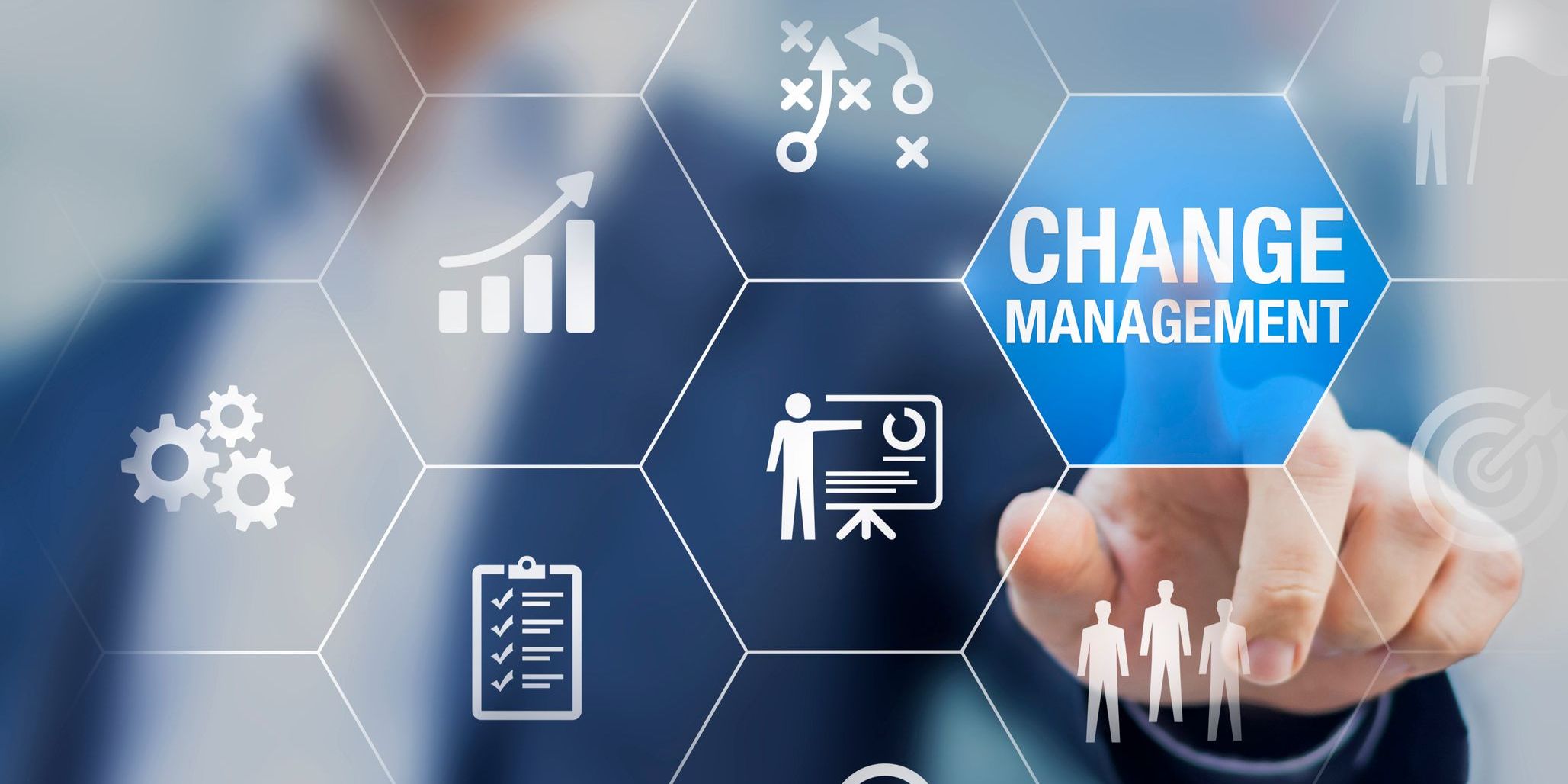
The duties and responsibilities of an AI change manager involve helping organizations adopt and use AI tools smoothly. Some key responsibilities include:
- Change Planning: AI change managers create plans to introduce AI technologies in a way that’s clear and manageable. They think ahead about possible challenges and design strategies to help teams adjust easily.
- Team Communication: They talk with teams and leaders to explain upcoming changes, why they’re happening, and how AI tools will impact daily work. Clear and friendly communication helps everyone understand and get on board.
- Training and Support: AI change managers provide guidance, resources, and training so employees feel confident using new AI tools. They answer questions, troubleshoot issues, and make sure everyone has the help they need.
- Monitoring and Feedback: They check how AI tools are being used, gather feedback from users, and track progress. This helps spot areas for improvement and ensures the tools are actually helping.
- Collaboration with Teams: AI change managers work closely with IT, product, and operations teams to make sure AI rollouts meet both technical and organizational needs. Working together keeps things running smoothly.
- Promoting Adoption: They encourage people to try and embrace AI tools, celebrate successes, share tips, and help teams see the benefits of using AI in their work.
Types of AI Change Managers
The following are types of roles that someone focused on AI‑related change management might have, each with a specific focus on leading change around AI adoption:
- AI Change Management Consultant: Helps organizations plan and guide AI projects smoothly. They advise teams on best practices and coach leaders on how to support AI adoption.
- AI Adoption Specialist: Focuses on helping employees and teams start using AI tools confidently. They provide training, resources, and support to make adoption easier.
- AI Transformation Lead: Leads large AI change initiatives across a company. They create roadmaps, coordinate teams, and make sure AI projects deliver real business value.
- AI Organizational Change Manager: Works within a company to manage AI-related transitions. They focus on people, processes, and preparing the organization for new AI ways of working.
- AI Learning and Enablement Manager: Creates learning programs, workshops, and resources to help teams understand AI tools. They make sure employees have the knowledge and confidence to use AI effectively.
- AI Process Change Analyst: Examines how workflows and processes will change with AI. They help design new processes that fit teams’ needs and make AI adoption smoother.
AI change managers have distinct personalities. Think you might match up? Take the free career test to find out if AI change manager is one of your top career matches. Take the free test now Learn more about the career test
What is the workplace of an AI Change Manager like?
The workplace of an AI change manager is mostly office- or computer-based, though it can be remote or hybrid depending on the company. Much of the day is spent meeting with teams, planning AI projects, and coordinating how new tools will be rolled out across the organization. Collaboration is key, so there’s a lot of communication with different departments to make sure everyone understands the changes.
A big part of the job involves helping people feel comfortable with AI tools. AI change managers spend time answering questions, providing guidance, and sharing training materials. They also monitor how teams are adjusting to new systems and look for ways to make the transition smoother.
The environment is often fast-paced and constantly evolving, since AI technology and business needs change quickly. Organization, problem-solving, and flexibility are important for keeping projects on track. The work combines planning, communication, and teaching, making it a mix of strategy and people-focused support.
Frequently Asked Questions
Artificial Intelligence-Related Careers and Degrees
Careers
- AI Auditor
- AI Change Manager
- AI Community Manager
- AI Consultant
- AI Content Writer
- AI Conversation Designer
- AI Data Analyst
- AI Data Scientist
- AI Engineer
- AI Ethics Specialist
- AI Implementation Specialist
- AI Policy Analyst
- AI Product Designer
- AI Product Manager
- AI Project Coordinator
- AI Research Scientist
- AI Technical Writer
- AI UX Designer
- HAX (Human-AI Experience) Designer
Degrees