What is an AI UX Designer?
An AI UX designer creates user experiences for products that use artificial intelligence, making sure these tools are simple, clear, and actually helpful for people. They work on things like chatbots, recommendation systems, and smart apps, making sure technology fits smoothly into daily life without causing confusion or frustration. Their work is important because it helps turn complex AI into tools that anyone can use and enjoy.
AI UX designers usually work in tech companies, startups, or industries like healthcare, e-commerce, and entertainment. They can be in offices or fully remote, teaming up with developers and product managers. To succeed, they need creativity to sketch ideas, empathy to understand what users need, some knowledge of AI, and skills with design tools like Figma. Being curious about how people interact with machines helps them stay on top in this fast-moving field.
What does an AI UX Designer do?
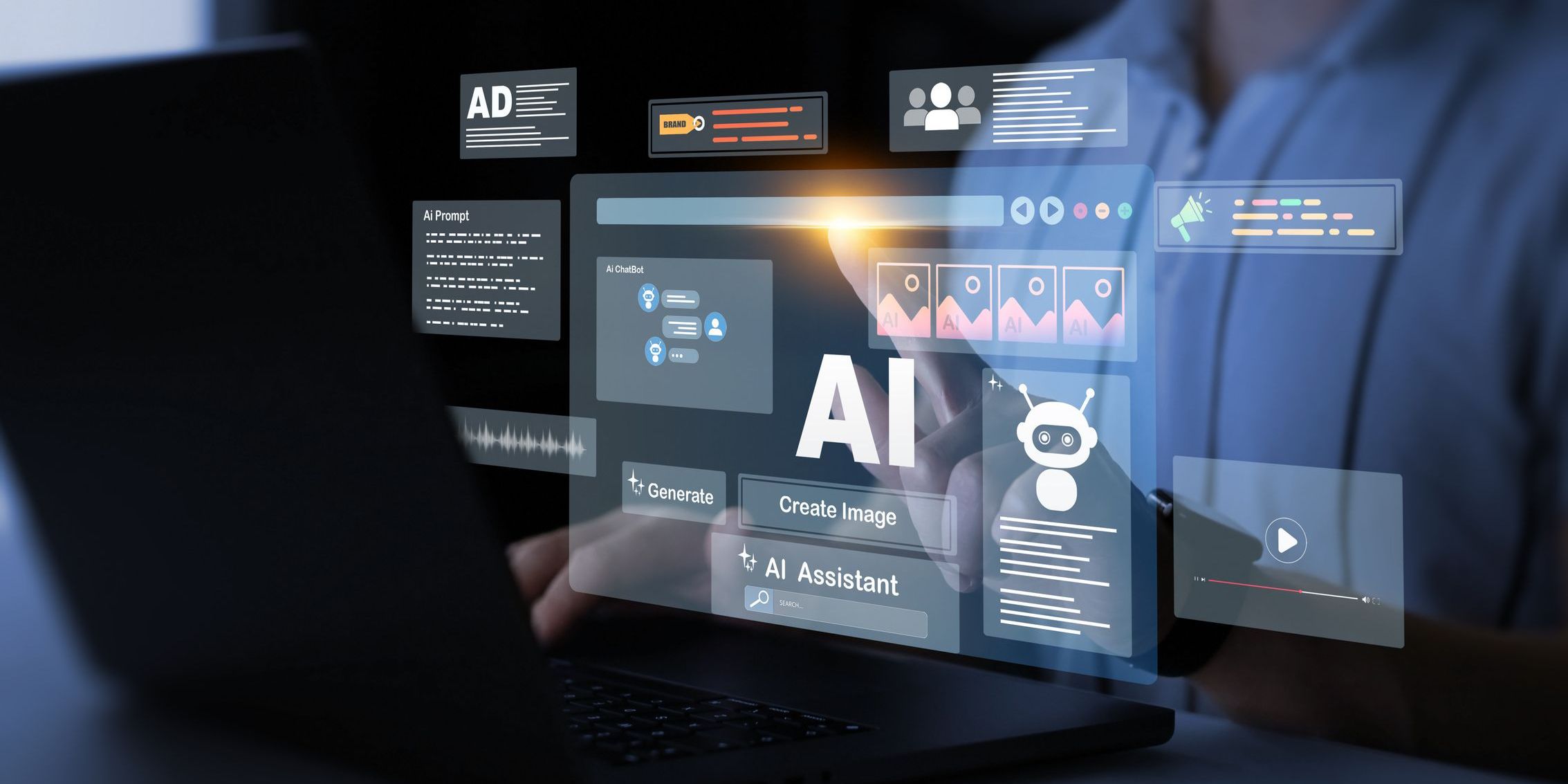
Duties and Responsibilities
AI UX designers handle a mix of creative and teamwork tasks to make AI-powered apps and tools easy and enjoyable for people to use. Here’s a look at how they spend their workdays.
- Research: AI UX designers talk to users and study how they interact with AI features. This helps spot confusing parts in chatbots or recommendation tools so designs fix real problems.
- Wireframing: They sketch basic layouts of AI interfaces using tools like Figma or Miro. These simple drawings map out how users move through smart features before adding colors or details.
- Prototyping: Designers build clickable models of AI experiences with software such as Adobe XD. Teams test these prototypes quickly to meet sprint deadlines in agile projects.
- User Testing: They run sessions where people try AI prototypes and give feedback. Results guide fixes, often following strict privacy rules like GDPR for user data.
- Collaboration: AI UX designers join meetings with engineers and product managers via Slack or FigJam. They share designs and adjust based on team input to align with project goals.
- Iteration: Changes come from test feedback, leading to updated designs under tight release schedules. Designers document versions to track progress and ensure smooth handoffs.
- Trend Learning: They read industry updates from sites like Nielsen Norman Group and try new AI tools. Staying current helps bring fresh ideas to projects and boosts skills over time.
Types of AI UX Designers
AI UX design can be divided into different specialties depending on what part of the experience you focus on. Some designers focus on how people interact with chatbots and conversations, while others work on making data and visuals easy to understand. Each specialty uses the same basic skills but goes deeper into specific AI tools and ways people use them.
- Conversational UX Designer: Designs chat experiences for AI assistants, like voice apps or messaging bots. The focus is on making conversations feel natural, friendly, and easy to follow.
- AI Product Designer: Shapes whole products that include AI features from start to finish. They balance user needs and business goals to create smooth, useful experiences.
- Prompt Engineer Designer: Crafts and fine-tunes the inputs (prompts) for AI design tools. Their work helps AI quickly generate visuals, layouts, or content that matches what the user wants.
- Generative AI UX Designer: Designs interfaces for AI tools that create text, images, or other outputs on demand. They make it simple for users to refine AI results without feeling frustrated.
- Ethics-Focused AI UX Designer: Ensures AI designs are fair, unbiased, and safe for everyone. They look for risks like biased recommendations and fix them early in the design process.
- Voice AI UX Designer: Creates smooth experiences for voice-controlled devices and smart speakers. The role focuses on natural speech interactions and hands-free usability.
AI UX designers have distinct personalities. Think you might match up? Take the free career test to find out if AI UX designer is one of your top career matches. Take the free test now Learn more about the career test
What is the workplace of an AI UX Designer like?
The workplace of an AI UX designer is usually a mix of collaborative office settings and remote work. Designers often work alongside developers, product managers, and data scientists to create AI tools that are easy and enjoyable for people to use. Meetings, brainstorming sessions, and design critiques are common, and whiteboards or digital design tools are often part of the daily workflow.
Much of the work involves using design software like Figma, Sketch, or Adobe XD to create interfaces, flows, and prototypes. AI UX designers also spend time testing products with real users to see what works and what doesn’t. Feedback from these sessions is used to improve designs, ensuring the AI behaves in ways that feel natural and intuitive.
Success in this workplace requires creativity, empathy, and curiosity. Designers need to understand both human behavior and AI capabilities, so they can bridge the gap between complex technology and everyday users. The environment tends to be dynamic, fast-paced, and collaborative, with opportunities to experiment and solve new problems as AI tools evolve.
Frequently Asked Questions
Artificial Intelligence-Related Careers and Degrees
Careers
- AI Auditor
- AI Change Manager
- AI Community Manager
- AI Consultant
- AI Content Writer
- AI Conversation Designer
- AI Data Analyst
- AI Data Scientist
- AI Engineer
- AI Ethics Specialist
- AI Implementation Specialist
- AI Policy Analyst
- AI Product Designer
- AI Product Manager
- AI Project Coordinator
- AI Research Scientist
- AI Technical Writer
- AI UX Designer
- HAX (Human-AI Experience) Designer
Degrees