What is an Alteration Seamstress?
An alteration seamstress adjusts clothing so that it fits a person’s body more comfortably and looks more polished. This specialist works with existing garments rather than creating new ones from scratch, using sewing knowledge to improve how clothes hang, move, and feel. The purpose of the role is to help people get the most out of the clothing they already own, whether by resizing, updating older pieces, or making small changes that create a better fit.
Alteration seamstresses are commonly found in clothing boutiques, bridal shops, dry cleaners, department stores, and independent sewing studios. Some also work in theater, film, or fashion production settings where costumes and wardrobe pieces often need adjustments. Success in this career relies on steady hands, strong attention to detail, patience, and the ability to understand how different fabrics behave. Communication skills are also important, since the work often involves discussing fit preferences with clients and offering practical recommendations.
What does an Alteration Seamstress do?
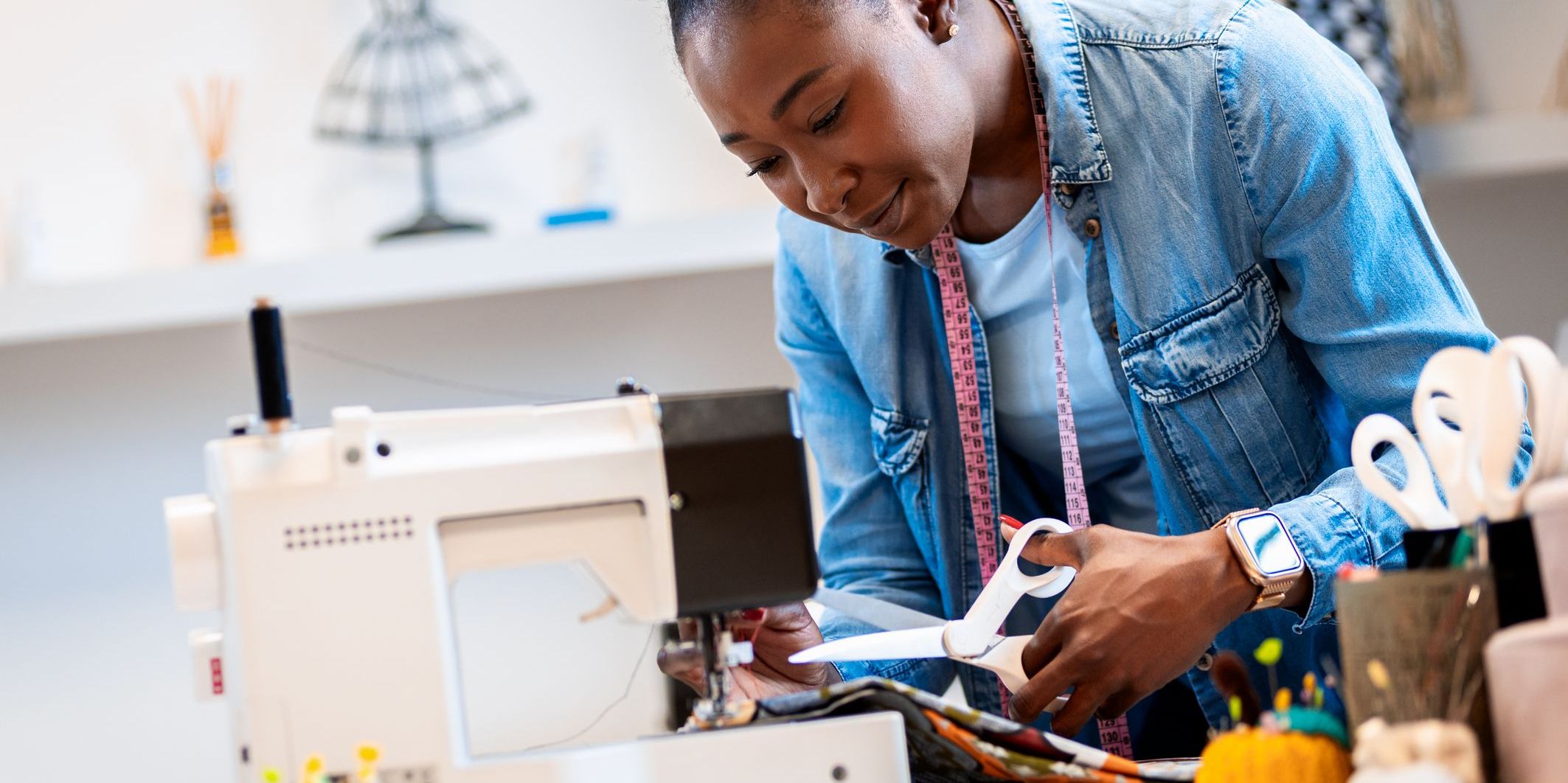
Duties and Responsibilities
The duties and responsibilities of an alteration seamstress include a mix of hands-on sewing work, client interaction, problem solving, and ongoing learning.
- Fitting and Measurements: This task involves taking accurate body and garment measurements to understand what adjustments are needed. Reliable measuring tools such as tape measures and fitting mirrors help ensure each change supports a comfortable and balanced fit.
- Garment Adjustments: This task includes sewing, hemming, tapering, and reshaping clothing to improve how a piece fits or moves. It often requires the use of sewing machines, hand-sewing needles, pressing tools, and specialty equipment designed for different fabrics.
- Client Consultations: This task involves discussing fit needs, style preferences, and turnaround times with clients. Strong communication helps the seamstress deliver results that match the client’s expectations and meet deadlines.
- Collaborating with Team Members: This task may involve working with sales associates, designers, or costume teams to support large orders or special events. Clear coordination ensures that garments move through the workflow smoothly and meet any schedule requirements.
- Quality Control: This task includes checking each garment after alterations to make sure the stitching, fit, and finishing meet professional standards. Careful inspection helps prevent issues and keeps the work consistent with shop policies or industry expectations.
- Recordkeeping and Tools Management: This task includes tracking work orders, managing appointments, and noting materials used. Basic software such as point-of-sale systems or digital scheduling tools can help keep tasks organized and support timely delivery.
- Staying Updated on Skills: This task involves learning new techniques, keeping up with fabric trends, and understanding how to work with modern sewing tools. Workshops, online courses, and industry publications offer helpful ways to maintain strong professional skills.
Types of Alteration Seamstresses
There are several types of alteration seamstresses, each focusing on a particular area of clothing or style.
- Bridal Seamstress: A bridal seamstress focuses on wedding gowns and formal bridal wear. The work often requires careful handling of delicate fabrics and detailed embellishments.
- Costume Seamstress: A costume seamstress supports theater, film, or performance productions by adjusting costumes for performers. The work is unique because it must balance comfort, durability, and the visual needs of the production.
- Tailor: A tailor works with suits, dress shirts, and other structured garments commonly worn in professional or formal settings. The main focus is on precise shaping that maintains the clean lines of the garment.
- Formalwear Seamstress: This type specializes in prom dresses, evening gowns, and other special occasion clothing. The role often involves working with unique fabrics and making adjustments that enhance movement.
- Casualwear Alteration Seamstress: A casualwear alteration seamstress focuses on everyday clothing such as jeans, shirts, jackets, and skirts. The work highlights practical fit improvements that help garments feel more comfortable for daily wear.
- Outerwear Alteration Specialist: An outerwear alteration specialist handles coats, jackets, and cold-weather gear. The main focus is on adjusting thicker fabrics and linings while keeping the garment warm and functional.
Alteration seamstress have distinct personalities. Think you might match up? Take the free career test to find out if alteration seamstress is one of your top career matches. Take the free test now Learn more about the career test
What is the workplace of an Alteration Seamstress like?
The workplace of an alteration seamstress is usually a small sewing studio, a boutique back room, or a space inside a dry-cleaning shop. The area often includes sewing machines, fitting rooms, ironing stations, and organized shelves filled with threads, buttons, zippers, and fabrics. Most workstations are arranged to keep tools within easy reach so tasks can move along smoothly without interruptions.
Some alteration seamstresses have the option to work from home, especially when handling simpler projects or working as independent contractors. Remote work may involve communicating with clients through email, phone calls, or basic scheduling software used by many small businesses. Shops or studios often use simple digital tools to track appointments, record measurements, and organize work orders.
Daily activities usually include measuring garments, sewing, pressing, and checking the finished work. Alteration seamstresses may collaborate with sales staff, designers, or other seamstresses who help manage the flow of projects during busy seasons. The work atmosphere is often calm and steady, with clients coming in for consultations and fittings throughout the day.
Alteration Seamstress are also known as:
Clothing Alterations Specialist
Alterations Specialist