What is a Co-Producer?
In film and television, a co-producer works alongside the lead producer to help bring a project to life, from early ideas all the way through final editing. They help shape the creative direction while also keeping things practical by watching the schedule and budget. This balance keeps the production running smoothly and makes sure the final result feels polished and ready for audiences.
You’ll usually find co-producers working in film, TV, streaming series, and sometimes theater or digital media. Their work can happen in production offices, on set, in studios, or through virtual meetings. Strong communication is key, since they collaborate closely with directors, writers, other producers, and business partners. They also need to be organized, comfortable managing timelines and budgets, and able to see how different teams, like camera, sound, and post-production, fit together. Over time, many co-producers build strong industry relationships, which can open the door to bigger projects and more senior producing roles.
What does a Co-Producer do?
Duties and Responsibilities
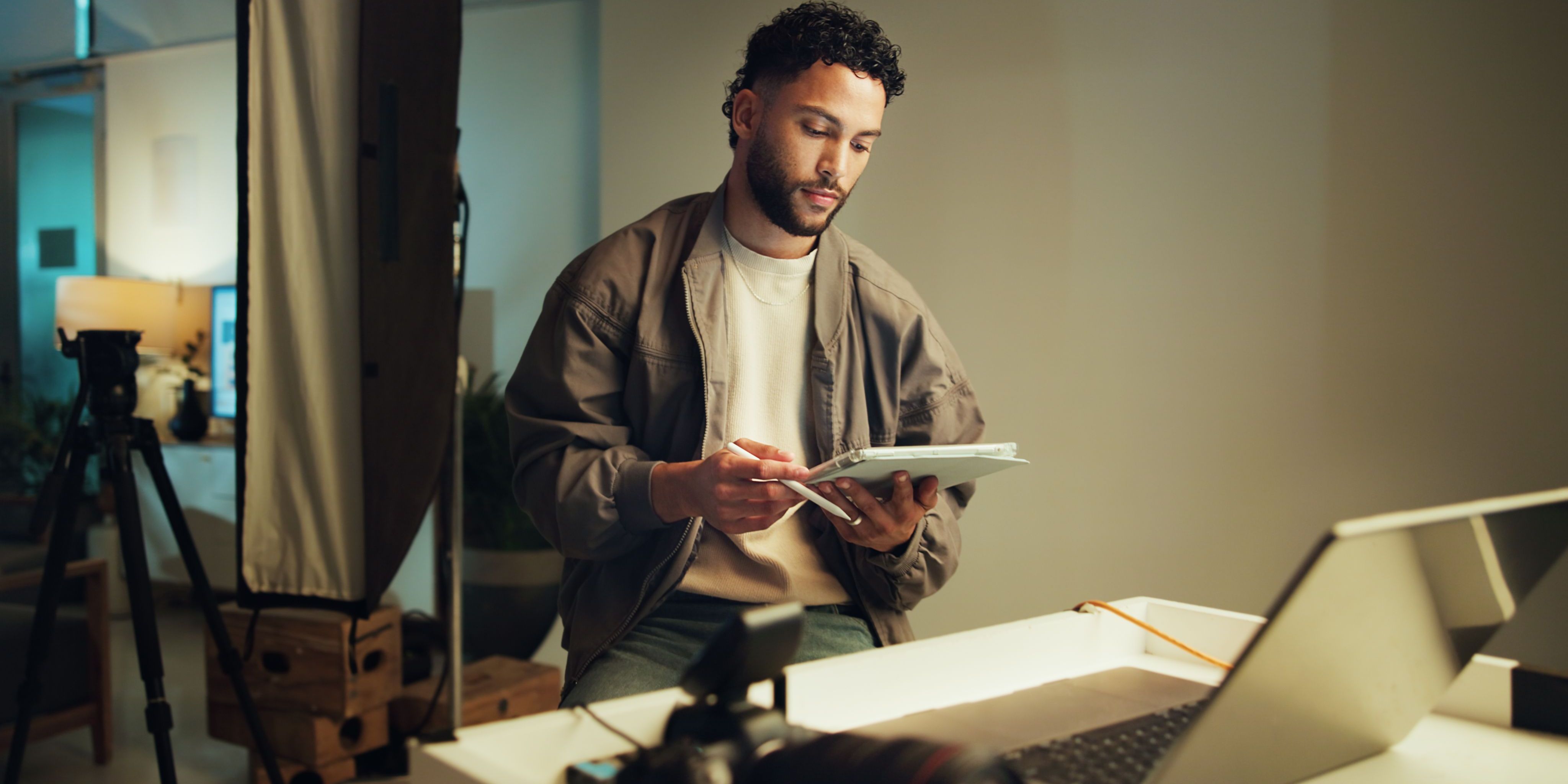
Duties and responsibilities for a co-producer cover both creative and practical work that keeps a project on track from early planning through final delivery.
- Project Planning and Scheduling: A co-producer helps plan the overall timeline for a film or show, from early development through production and post-production. They work with producers and production managers to build schedules, track deadlines, and adjust plans when needed.
- Budgeting and Cost Control: Co-producers support the creation and management of the production budget. They review cost reports, monitor spending, and help ensure the project stays within financial limits.
- Coordinating Departments and Crews: A co-producer helps different teams—such as camera, sound, design, and post-production—work smoothly together. This may involve running meetings, reviewing call sheets, and making sure each department has the information and resources it needs.
- Supporting Creative Decisions: Co-producers often take part in discussions about scripts, casting, locations, and the overall direction of the project. Their input helps balance creative ideas with the realities of schedule and budget.
- Handling Logistics and Documentation: A co-producer helps manage contracts, permits, union requirements, and other paperwork. They work with production managers and legal teams to ensure the project meets industry rules and regulations.
- Monitoring Production Progress: During filming, a co-producer tracks daily progress to make sure production stays on schedule and within budget. This can involve reviewing daily reports, checking in with department heads, and solving problems that arise on set.
- Overseeing Post-Production and Partnerships: After filming, a co-producer may help coordinate editing, sound, and visual effects while maintaining relationships with investors, studios, and vendors who support the project.
Types of Co-Producers
There are several types of co-producers, and each one brings a slightly different focus to the work while still sharing in the overall responsibility for getting a project made.
- Film Co-Producer: A film co-producer works on feature films and shares producing duties with the main producer across development, production, and post production. This type often focuses on hands on support with planning, budgets, and day to day problem solving on set.
- Television Co-Producer: A television co-producer works on scripted or unscripted TV shows, helping manage episodes within a series under the guidance of senior producers. This role usually combines creative input on scripts or segments with practical work on schedules and coordination for each episode.
- Line Co-Producer: A line co-producer is primarily responsible for the budget and logistics of a feature film while reporting to the main producer. This type is unique because all department heads report to this person on the practical side of production, making this role a key link between creative plans and daily operations.
- Associate Co-Producer: An associate level co-producer supports specific producing functions such as managing a certain location, sequence, or set of deals while working under senior producers. This type stands out for covering focused parts of the project rather than the entire production, often as a step toward more senior producing credits.
- Digital Content Co-Producer: A digital content co-producer works on online videos, web series, or social media projects, sharing producing duties for shorter or more frequent content. This type often focuses on fast turnaround schedules, platform specific requirements, and flexible crews suited to digital production.
- Documentary Co-Producer: A documentary co-producer collaborates on non-fiction projects that can involve long research periods, location work, and sensitive real-world subjects. This type is distinct because it often combines production management with research support and careful handling of legal and ethical considerations around real people and events.
Co-Producers have distinct personalities. Think you might match up? Take the free career test to find out if co-producer is one of your top career matches. Take the free test now Learn more about the career test
What is the workplace of a Co-Producer like?
Co-producers often work in busy production offices filled with computers, storyboards, and stacks of scripts. These offices can be in studios, rented spaces near the filming location, or even trailers on set. They spend time on location scouts, visiting potential shoot sites, and on actual sets where the action happens with cameras, lights, and crews all around.
Many co-producers also handle parts of the job from home or remotely, especially during early planning or post production stages. They use tools like Google Workspace, Slack, Microsoft Teams, or Zoom for video calls and quick chats with team members. Production software such as StudioBinder helps track schedules, budgets, and tasks across different places.
Daily activities mix meetings with the director and crew, reviewing footage, and checking budgets on the computer. Collaboration happens a lot through group calls, emails, and on set huddles to solve issues fast. The atmosphere stays energetic with everyone focused on the project, though tight deadlines can make days long and full of quick changes.
Co-Producers are also known as:
Associate Producer
Assistant Producer