What is a Costume Seamstress?
A costume seamstress helps bring characters to life by turning fabric into clothing that looks and feels right for a performance. Their work supports the story by making sure each outfit fits the character, matches the tone of the production, and holds up during movement on stage or screen. By carefully building and adjusting garments, a costume seamstress turns a designer’s idea into something performers can wear with confidence. When the costumes work well, the audience can stay fully immersed in the story.
Costume seamstresses often work in places like theaters, film and TV studios, theme parks, or cruise ships. Most of the work happens in costume shops or backstage, where last-minute fixes and fittings are common. The role requires strong sewing skills, an understanding of different fabrics, and close attention to detail. Just as important are patience, teamwork, and the ability to stay calm and flexible when working under tight deadlines.
What does a Costume Seamstress do?
Duties and Responsibilities
A costume seamstress performs a variety of hands-on tasks that help bring costumes from concept to stage or screen. Here’s what their workday may involve:
- Garment Construction: Much of the day is spent sewing new costumes using patterns and design notes. This includes working with industrial sewing machines, sergers, and hand stitching to create clothing that is both durable and comfortable for performers.
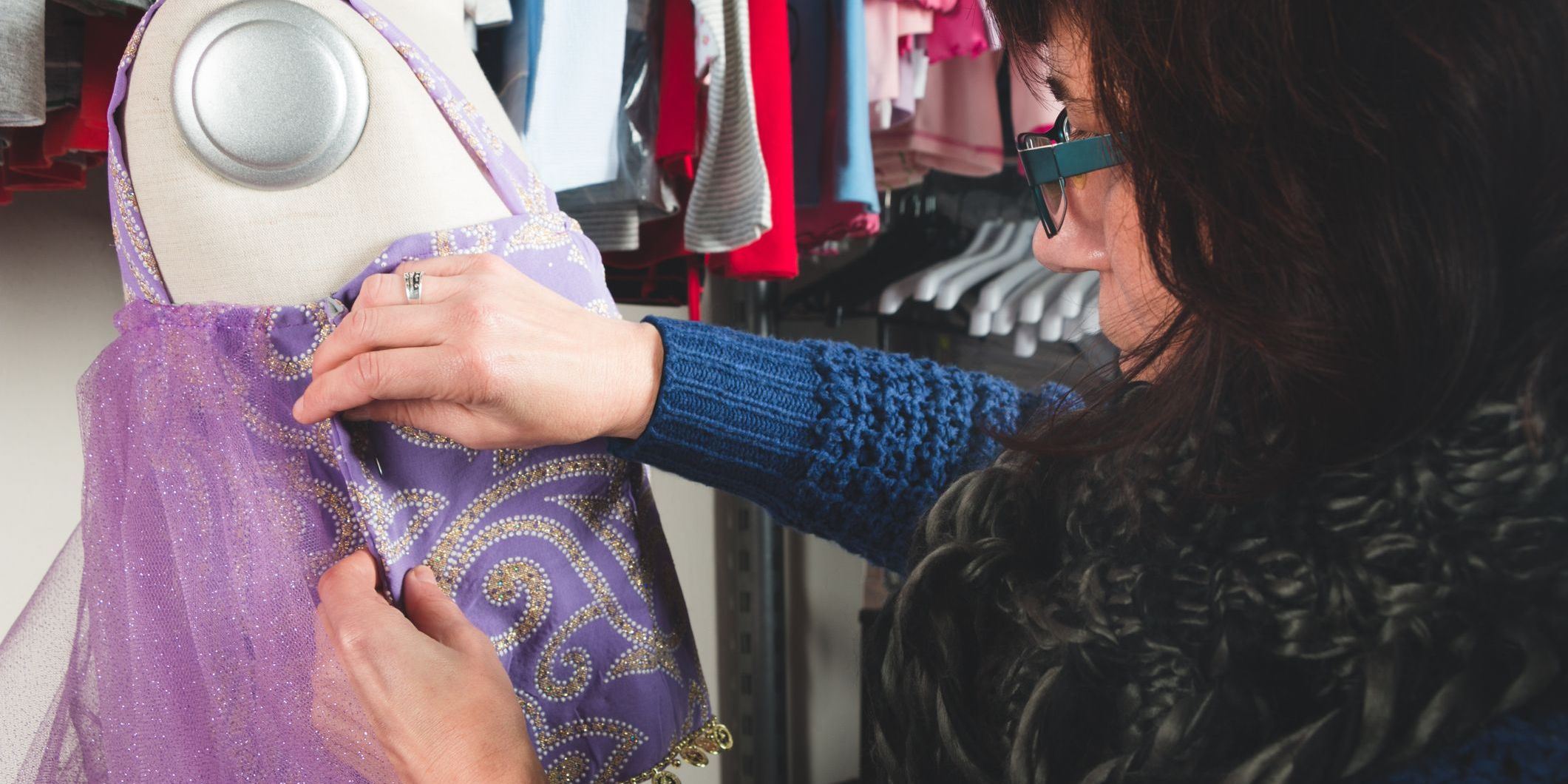
- Fittings and Alterations: Seamstresses work directly with actors to make sure costumes fit properly and allow for easy movement. During fittings, pins and fabric chalk are used to mark changes so performers can move, dance, or act safely and comfortably.
- Repair and Maintenance: Costumes often need regular fixes due to wear and tear from performances. Repairing seams, replacing buttons, and fixing zippers helps keep costumes looking polished and ready for every show.
- Time Management: Deadlines are a big part of the job, especially as rehearsals and opening night approach. Seamstresses follow tight schedules to make sure all costumes are finished and ready on time.
- Collaboration: This role involves working closely with costume designers, wardrobe supervisors, and other team members. Clear communication helps ensure the finished garments match the creative vision for each character.
- Professional Development: Learning never really stops in this field. Many costume seamstresses stay up to date on new sewing techniques, tools, and fabric options by attending workshops or keeping up with industry trends.
Types of Costume Seamstresses
The world of costume construction offers several paths that let seamstresses focus on specific types of garments or productions. Here are six common types:
- Theatrical Stitcher: Works mostly on live stage plays or musicals, creating and repairing costumes that can handle the wear and tear of nightly performances. Durability is key, so performers can move freely without worrying about their outfits falling apart.
- Film and Television Seamstress: Prepares wardrobes for movies, TV shows, and studio shoots. This often involves making multiple copies of the same outfit for different filming days, stunts, or camera angles.
- Cutter/Draper: Takes a designer’s sketch and turns it into physical patterns for construction. This role focuses on how fabric falls on the body and often guides a team of seamstresses when putting together complex costumes.
- Costume Crafts Specialist: Builds non-traditional costume pieces like armor, masks, or structural elements. They often work with materials like leather, foam, or plastic rather than standard fabrics.
- Wardrobe Tailor: Specializes in structured menswear such as suits, coats, and uniforms. This role requires precision in shaping heavy fabrics to achieve a polished, professional look.
- Theme Park Seamstress: Designs, maintains, and repairs costumes for performers, mascots, and parade participants at large entertainment venues. Comfort, durability, and the ability to withstand outdoor conditions are top priorities.
Costume seamstresses have distinct personalities. Think you might match up? Take the free career test to find out if costume seamstress is one of your top career matches. Take the free test now Learn more about the career test
What is the workplace of a Costume Seamstress like?
A costume seamstress usually works in a costume shop, which is a busy but organized space filled with fabric, sewing machines, and works-in-progress. Large tables are used to cut fabric, and sturdy sewing machines run for hours at a time. The room is well lit so small details like stitching and fabric colors are easy to see. Shelves and bins are often packed with buttons, zippers, trims, and other supplies that need to be within reach.
Most of the hands-on work happens in person because sewing requires specialized equipment and space. Communication with designers and supervisors often happens through quick conversations, emails, or group chats to keep everyone up to date on changes. While working from home isn’t common, some freelance seamstresses set up home studios if they have professional machines and enough room for fittings.
The atmosphere in a costume shop is usually lively and social. A seamstress might spend part of the day focused quietly on detailed stitching, then switch to helping with fittings or last-minute adjustments. Music often plays in the background, and people are constantly moving between cutting tables, sewing stations, and ironing boards. Teamwork is essential, as everyone works together to make sure the costumes are ready on time and comfortable for performers.
Costume Seamstresses are also known as:
Costume Maker
Stage Costume Tailor