What is a Drill Press Operator?
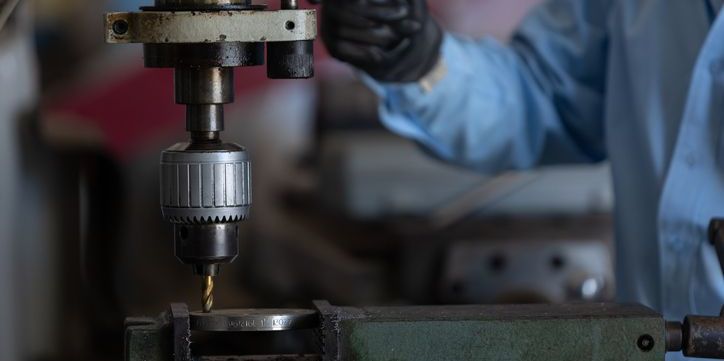
A drill press operator works with a drill press machine to create accurate, clean holes in materials like metal, wood, or plastic. This job is common in manufacturing, metalworking, and carpentry settings, where precision is important for producing parts that fit and function correctly. The operator sets up the machine, chooses the right drill bits, adjusts the speed, and secures the material so it stays steady during drilling.
They also read instructions, blueprints, or technical drawings to understand exactly where each hole needs to go and how big it should be. Because the work must be consistent and exact, attention to detail is essential. Safety is another major part of the job, as drill presses are powerful machines.
What does a Drill Press Operator do?
Duties and Responsibilities
The duties and responsibilities of a drill press operator encompass a range of tasks related to the operation and maintenance of drill press machines. Here is an overview of the key responsibilities associated with this role:
- Machine Setup: Prepare the drill press by choosing the correct drill bits, setting the right speed, and securely positioning the material on the table. Proper setup ensures safety and accuracy during drilling.
- Read and Interpret Blueprints: Carefully study technical drawings or project instructions to understand exactly where holes need to be drilled, their size, and depth. This ensures the final product meets specifications.
- Operate Drill Press: Use the drill press to create precise holes in materials such as metal, wood, or plastic. Follow project requirements while maintaining steady, accurate work.
- Adjustments and Monitoring: Continuously monitor the drilling process and make adjustments as needed for speed, alignment, or depth to ensure consistent, high-quality results.
- Quality Control: Inspect each hole for precision and consistency, checking alignment, size, and finish. Correct any mistakes to maintain quality standards.
- Equipment Maintenance: Perform routine maintenance, including cleaning, lubrication, and part checks. Report any issues to maintenance staff to prevent downtime or damage.
- Safety Compliance: Follow all safety guidelines, wear protective gear, and use machine safety features. Staying alert prevents accidents and keeps the workplace safe.
- Teamwork and Communication: Coordinate with supervisors, engineers, and other team members to manage workflow, meet deadlines, and ensure projects are completed efficiently.
Types of Drill Press Operators
The skills and expertise of drill press operators can vary based on the industries they work in and the specific materials and projects they handle. Here are some general categories that highlight variations in drill press operators:
- Metalworking Drill Press Operator: Specializing in drilling holes in metal materials, such as steel or aluminum. Metalworking drill press operators often work in industries like manufacturing, construction, or automotive.
- Woodworking Drill Press Operator: Focused on drilling holes in wood and wood-based materials. Woodworking drill press operators may work in carpentry shops, furniture manufacturing, or construction projects where wood is a primary material.
- Plastic Drilling Operator: Specialized in drilling holes in plastic materials. This type of operator may work in industries producing plastic components or products, such as in the fabrication of plastic parts for electronics or consumer goods.
- Precision Drill Press Operator: Highly skilled in precision drilling, often working with small or intricate components. Precision drill press operators may be involved in the production of specialized machinery or electronic components.
- Large-Scale Drill Press Operator: Handling larger drill press machines designed for heavy-duty applications. These operators may work in industries requiring drilling in large, thick materials, such as construction or metal fabrication for structural components.
- Automated Drill Press Operator: Operating drill press machines that are part of automated or CNC (Computer Numerical Control) systems. These operators may be responsible for programming and overseeing the automated drilling process.
- Custom Fabrication Drill Press Operator: Working in custom fabrication shops where unique or specialized projects require precise drilling according to custom specifications.
What is the workplace of a Drill Press Operator like?
The workplace of a drill press operator is usually in manufacturing plants, metalworking shops, woodworking facilities, or custom fabrication shops. It often involves standing for long periods while working on machines, handling materials, and preparing workpieces. Depending on the type of shop, the environment can range from small, specialized workshops to large industrial facilities with many machines and workers operating simultaneously.
Operators spend most of their time at the drill press, setting up machines, monitoring drilling operations, and making adjustments to maintain accuracy. They often work with other team members, including machinists, engineers, and supervisors, to ensure that projects are completed correctly and on time. The environment can be busy and sometimes noisy, so operators usually wear protective gear such as safety glasses, ear protection, and gloves to stay safe.
The job requires focus, attention to detail, and physical stamina, as handling materials and operating machinery can be demanding. Workspaces need to be clean, organized, and safe, with proper storage for tools and materials. While the work can be fast-paced during production runs, it also offers a sense of accomplishment, as operators see the tangible results of their precision and skill in the finished products.