What is a Hoarding and Clutter Consultant?
A hoarding and clutter consultant helps people who feel completely overwhelmed by their possessions. Their job is to guide clients through clearing out clutter so their homes become safe, functional, and healthy. This work is important because extreme disorganization can cause fire hazards, sanitation problems, and serious stress. The consultant supports clients in making tough decisions about what to keep, toss, or donate, giving them the tools and confidence to take back control of their space and improve their wellbeing.
This career combines skills from professional organizing, mental health care, and social support. Consultants usually work in clients’ homes, but some also work with community agencies or run remote coaching businesses. To succeed, you need patience and empathy, because the process can be slow and emotional. Strong communication and organizational skills are also important to help clients stay motivated and maintain the systems you create together.
What does a Hoarding and Clutter Consultant do?
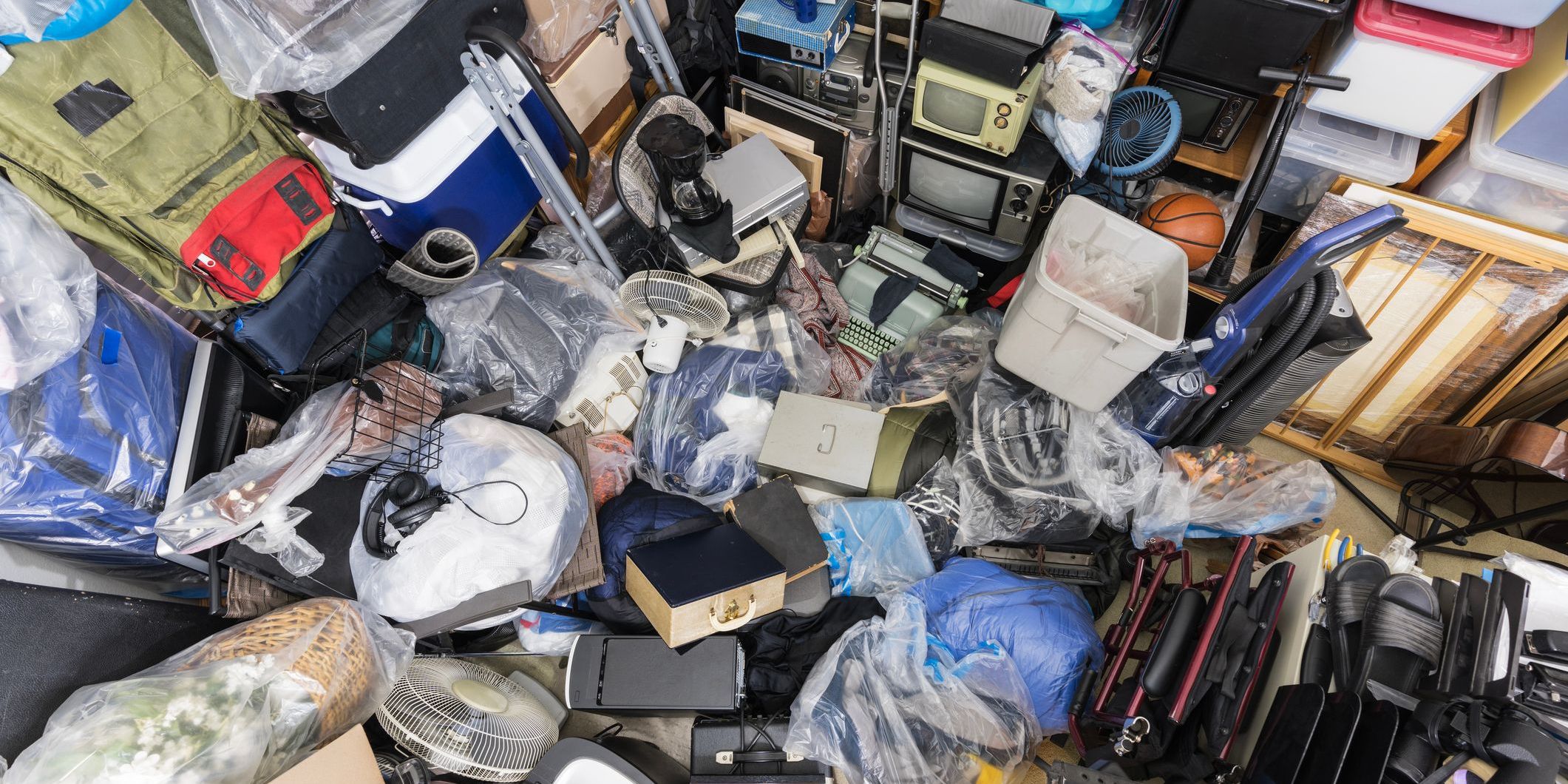
Duties and Responsibilities
While the specific duties and responsibilities of a hoarding and clutter consultant typically vary from job to job, they generally include:
- Client Assessment: Consultants begin by meeting with clients to understand their situation and safety needs. This often includes using simple assessment tools, note-taking apps, or digital checklists to track concerns and plan next steps.
- Hands-On Organizing: They help clients sort, categorize, and remove items in a steady and supportive way. These sessions often involve using basic tools like gloves, masks, storage bins, and labeling supplies, while working within agreed-upon schedules to make consistent progress.
- Safety Planning: Consultants look for hazards such as blocked exits, unstable stacks, or unsanitary areas. They may follow local safety guidelines and recommend repairs or cleaning steps to stay compliant with community standards or landlord requirements.
- Collaborating With Other Professionals: Many consultants work with social workers, therapists, cleaning teams, or repair services to create a well-rounded support plan. This teamwork ensures the client gets help that fits both emotional needs and practical challenges.
- Progress Monitoring: They keep track of what has been completed, what still needs attention, and any deadlines set by clients, families, or property managers. Software like Trello, Google Workspace, or industry-specific organizing apps helps maintain structure and accountability.
- Coaching and Emotional Support: Consultants guide clients gently through difficult decisions about their belongings. This often means using patience and basic motivational techniques to help clients build confidence and new habits.
- Maintaining Schedules and Documentation: They manage session times, follow-up visits, and any required reports for collaborating professionals. Keeping accurate notes and photos (with permission) helps track changes over time and meet any supporting agency requirements.
- Professional Development: Consultants stay updated by attending workshops, webinars, or training offered by industry groups such as the National Association of Productivity & Organizing Professionals (NAPO) or the Institute for Challenging Disorganization (ICD). Learning about new research, tools, and best practices helps them serve clients more effectively.
Types of Hoarding and Clutter Consultants
There are several types of hoarding and clutter consultants, each focusing on a different part of the work and offering clients the specific kind of support they need.
- Hoarding Specialist: A hoarding specialist focuses on helping individuals who struggle with hoarding disorder or severe clutter. Their main focus is creating safer living conditions and building long-term strategies to prevent relapse.
- Chronic Disorganization Specialist: This consultant works with clients who face ongoing challenges with organization due to factors such as ADHD (attention-deficit/hyperactivity disorder), learning differences, or other long-term difficulties. Their work is unique because it emphasizes customized, steady systems rather than quick fixes.
- Residential Organizer: A residential organizer helps clients improve cluttered homes, from closets to entire living spaces. Their specialty is designing simple, practical organizing systems tailored to daily routines.
- Move and Relocation Organizer: This type supports clients with decluttering, packing, and settling into a new home. They stand out because they focus on timelines, downsizing decisions, and coordinating move-related tasks.
- Cleanup and Remediation Coordinator: These consultants assist in situations involving deep cleaning, sanitation needs, or homes affected by health hazards. Their role is unique because they often coordinate with cleaning crews or environmental services to ensure safety.
- Senior Move Manager: Senior move managers help older adults who are downsizing, relocating, or transitioning to assisted living. Their specialty lies in providing patient, sensitive support during emotional decision-making and major life changes.
Hoarding and clutter consultant have distinct personalities. Think you might match up? Take the free career test to find out if hoarding and clutter consultant is one of your top career matches. Take the free test now Learn more about the career test
What is the workplace of a Hoarding and Clutter Consultant like?
The main place a hoarding and clutter consultant works is the client’s home. You won’t be sitting in a fancy office all day. Instead, you will be stepping into real living spaces where people need support, which makes the work feel personal and meaningful. Depending on the situation, you might walk into a slightly cluttered apartment or a house that’s packed wall-to-wall. One day you could be sorting papers at someone’s kitchen table, and later that same afternoon you might be helping set up storage shelves in a garage. No two days look the same, and you’re always up and moving.
Because many consultants work for themselves, their home base is often a simple home office or even a desk in their bedroom. This is where they answer emails, send invoices, and book appointments. A lot of communication, whether with clients, therapists, or junk removal teams, happens through digital tools like Google Calendar, email, or video calls. Consultants usually keep basic supplies like label makers, bins, gloves, and measuring tapes ready in their car, since most of the work happens out in the field.
Daily tasks involve plenty of hands-on organizing mixed with patient, supportive conversation. You might spend part of your morning helping a client sort one box at a time, checking in on how they’re feeling as you go. Teamwork is also a big part of the job. You may need to connect with social workers, cleaners, or repair crews to make sure the home isn’t just tidier but also safe and meeting any housing rules.
Frequently Asked Questions
Clutter and Organization-Related Careers and Degrees
Hoarding and Clutter Consultant are also known as:
Hoarding Intervention Specialist
Clutter Management Professional