What is an Opera Conductor?
An opera conductor leads the musical performance of an opera, guiding singers, the orchestra, and sometimes a choir through the entire production. This specialist helps bring the composer’s vision to life by shaping how the music sounds, setting the pace, and coordinating timing between the stage and the pit. Beyond keeping everyone in sync, the conductor interprets the score in a way that supports the story and emotions unfolding on stage. Whether in rehearsal or performance, this leadership role ensures that every musical and dramatic element fits together seamlessly, giving audiences a unified and memorable experience.
Opera conductors typically work in professional opera companies, symphony orchestras that stage operas, or at music festivals and conservatories with opera programs. Success in this field depends on a deep knowledge of vocal and orchestral music, strong communication skills, and the ability to inspire and manage large groups of performers.
What does an Opera Conductor do?
Duties and Responsibilities
The work of an opera conductor is multifaceted and includes:
- Score Preparation: The conductor studies the opera’s full score in detail before rehearsals begin. This involves marking cues, tempos, and musical phrasing to guide both the orchestra and the singers.
- Rehearsal Leadership: The conductor leads rehearsals to bring the music and stage action together. This includes working closely with stage directors, vocal coaches, and musicians to unify the performance.
- Coordination with Orchestra and Singers: The conductor ensures timing and balance between the singers on stage and the orchestra in the pit. Clear gestures, communication, and coordination are essential to keeping the performance synchronized.
- Use of Tools and Equipment: Conductors often work with printed or digital scores on tablets and use batons to guide ensembles. Some also rely on rehearsal pianos, metronomes, or specialized music notation software to prepare their markings and tempo plans.
- Scheduling and Deadlines: Operas follow strict production timelines that include musical, staging, and dress rehearsals before opening night. The conductor must stay organized to meet these deadlines while maintaining artistic quality.
- Compliance and Safety: Conductors adhere to professional and organizational regulations, including union guidelines and safety standards for orchestra pits and rehearsal spaces. They also confirm that performances comply with theater and copyright requirements.
- Professional Development: Staying current with musical trends, historical practices, and performance innovations is essential. Many conductors attend workshops, masterclasses, or festivals to expand their knowledge and refine their technique.
Types of Opera Conductors
Opera conductors can specialize in several different areas within the field, each focusing on a unique part of the performance process or musical style.
- Music Director: A music director oversees all musical aspects of an opera company or theater. This role focuses on artistic programming, casting decisions, and leading key productions each season.
- Principal Conductor: The principal conductor holds the main leadership position within an opera company’s conducting team. This conductor directs several productions a year and often helps shape the musical identity of the organization.
- Guest Conductor: A guest conductor is invited to lead specific operas with different companies or festivals. This position offers flexibility and exposure to diverse ensembles, singers, and audiences.
- Assistant Conductor: The assistant conductor supports the main conductor during rehearsals and performances. Tasks often include preparing the score, leading orchestra rehearsals, and stepping in when needed.
- Chorus Master: The chorus master prepares and conducts the opera chorus before integrating it with the full ensemble. This specialist focuses on vocal blend, diction, and coordination with the orchestra.
- Rehearsal Pianist-Conductor: This conductor plays piano during early vocal rehearsals and occasionally conducts smaller scenes or ensembles. The role serves as a bridge between the singers and the full orchestra during the development phase of a production.
Opera conductors have distinct personalities. Think you might match up? Take the free career test to find out if opera conductor is one of your top career matches. Take the free test now Learn more about the career test
What is the workplace of an Opera Conductor like?
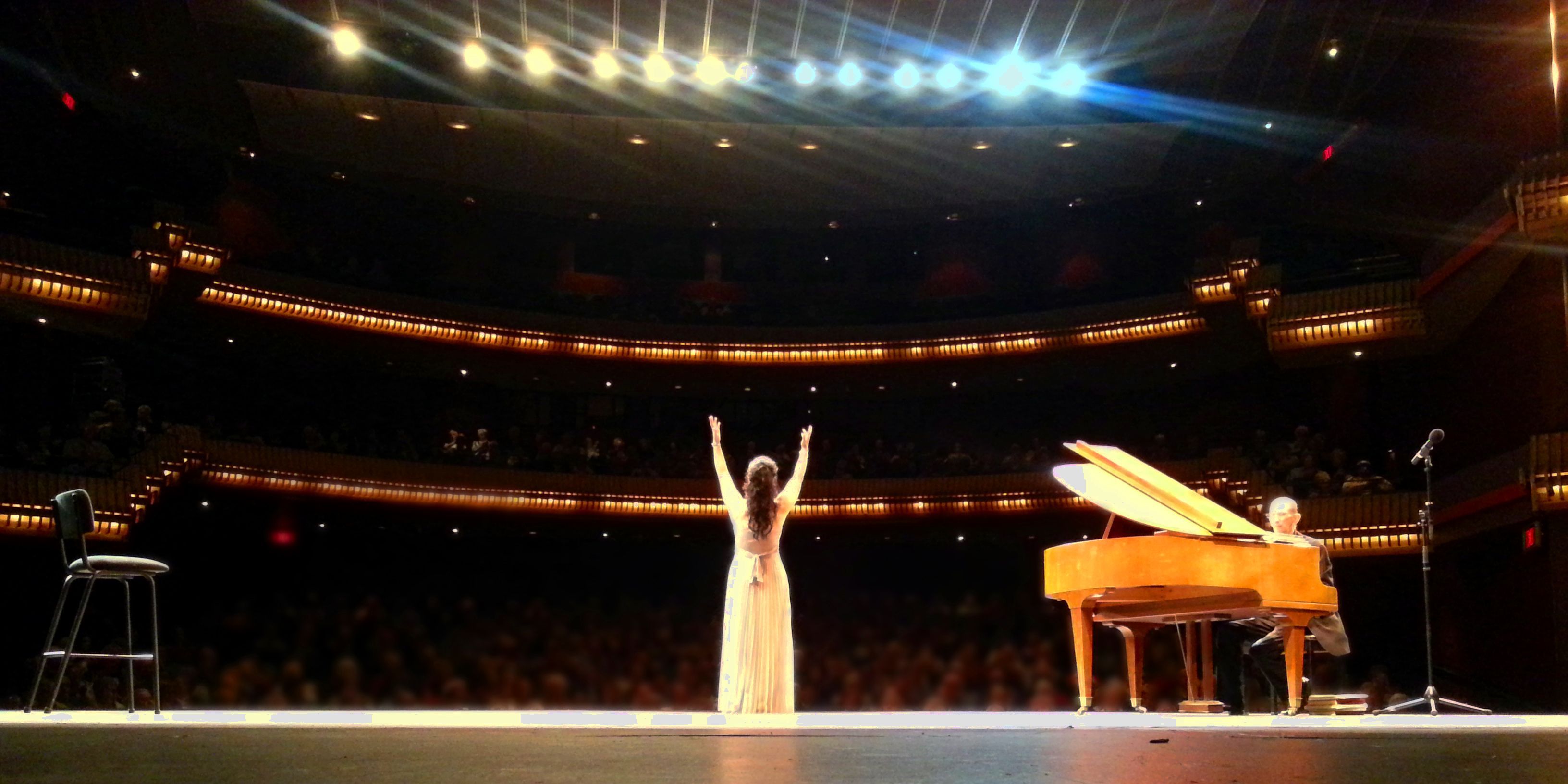
Opera conductors spend much of their time in rehearsal halls, orchestra pits, and performance theaters. Their primary workplace is usually an opera house, but rehearsals also take place in smaller music studios or rehearsal rooms. These spaces are designed for sound clarity and often include a piano, mirrored walls, and music stands for singers and musicians. During performances, the conductor stands at the podium in front of the orchestra pit, guiding both the musicians and the singers on stage to keep the music and drama perfectly synchronized.
While most of the work happens in person, some planning and preparation can be done remotely. Conductors often study scores, mark musical notes, or attend online production meetings from home or while traveling. Communication software such as video conferencing tools and shared online drives helps teams coordinate rehearsal schedules, design updates, and casting details. Digital tools like notation software and tablets allow conductors to organize scores and make quick adjustments before rehearsals begin.
The daily rhythm of an opera conductor’s job combines focused individual study with group collaboration. Mornings may involve reviewing musical passages or meeting with stage directors, and afternoons often include rehearsals with singers or the orchestra. Working hours can extend into the evening during performances or production weeks. The environment is creative and energetic, filled with teamwork among singers, musicians, stage staff, and technicians who all share the goal of producing a powerful show. In this setting, the conductor plays a central role in blending artistry, coordination, and leadership into each performance.
Opera Conductors are also known as:
Kapellmeister