The terms "orthopedist" and "orthopedic surgeon" are often used interchangeably to refer to medical doctors who specialize in the diagnosis, treatment, and surgical management of musculoskeletal conditions and injuries. However, there can be a subtle distinction between the two terms:
An "orthopedist" is a broad term used to describe any physician who practices in the field of orthopedics, regardless of whether they perform surgical procedures. Orthopedists may include medical doctors (MDs) or doctors of osteopathic medicine (DOs) who specialize in orthopedic medicine and provide non-surgical interventions such as medication, physical therapy, injections, and orthotic devices to manage musculoskeletal conditions.
On the other hand, an "orthopedic surgeon" specifically refers to a medical doctor who has completed specialized training in orthopedic surgery and is qualified to perform surgical procedures to treat musculoskeletal conditions and injuries. While all orthopedic surgeons are orthopedists, not all orthopedists are surgeons. Orthopedic surgeons undergo additional training beyond medical school and residency to develop expertise in surgical techniques for repairing fractures, replacing joints, reconstructing ligaments, and addressing other complex orthopedic problems.
In summary, while both orthopedists and orthopedic surgeons are medical doctors who specialize in the field of orthopedics, the term "orthopedist" may encompass a broader range of practitioners who provide non-surgical care, while "orthopedic surgeon" specifically denotes a physician who performs surgical interventions to treat musculoskeletal conditions.
Related Careers

Clown
A clown is a performer who uses humor, funny actions, and exaggerated appearances to make people laugh and entertain them.
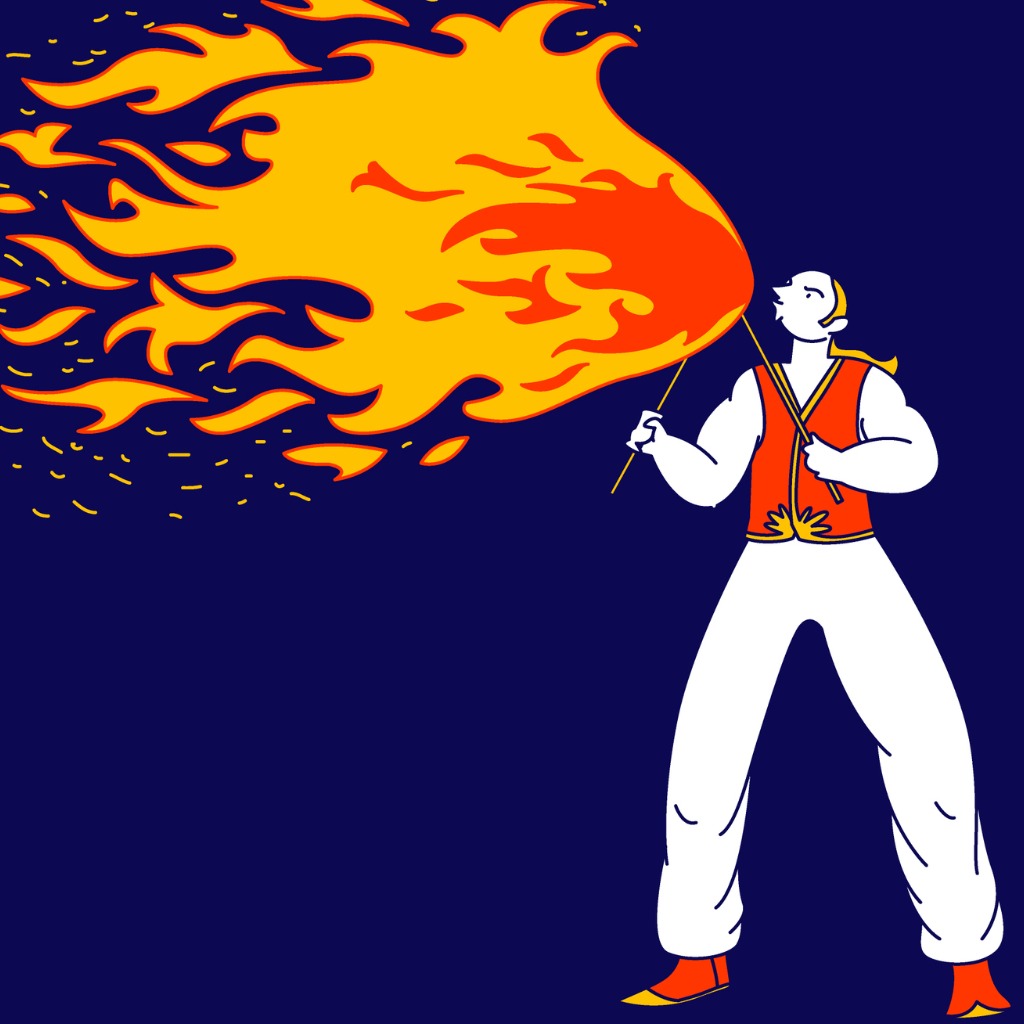
Fire Breather
A fire breather is a skilled performer who incorporates fire into their act, either by exhaling a spray of fuel over an open flame to create a controlled burst of fire (fire breathing), or by extinguishing a flame by placing it into their mouth or swallowing it (fire eating).

Trapeze Artist
A trapeze artist specializes in aerial acrobatics using a trapeze.
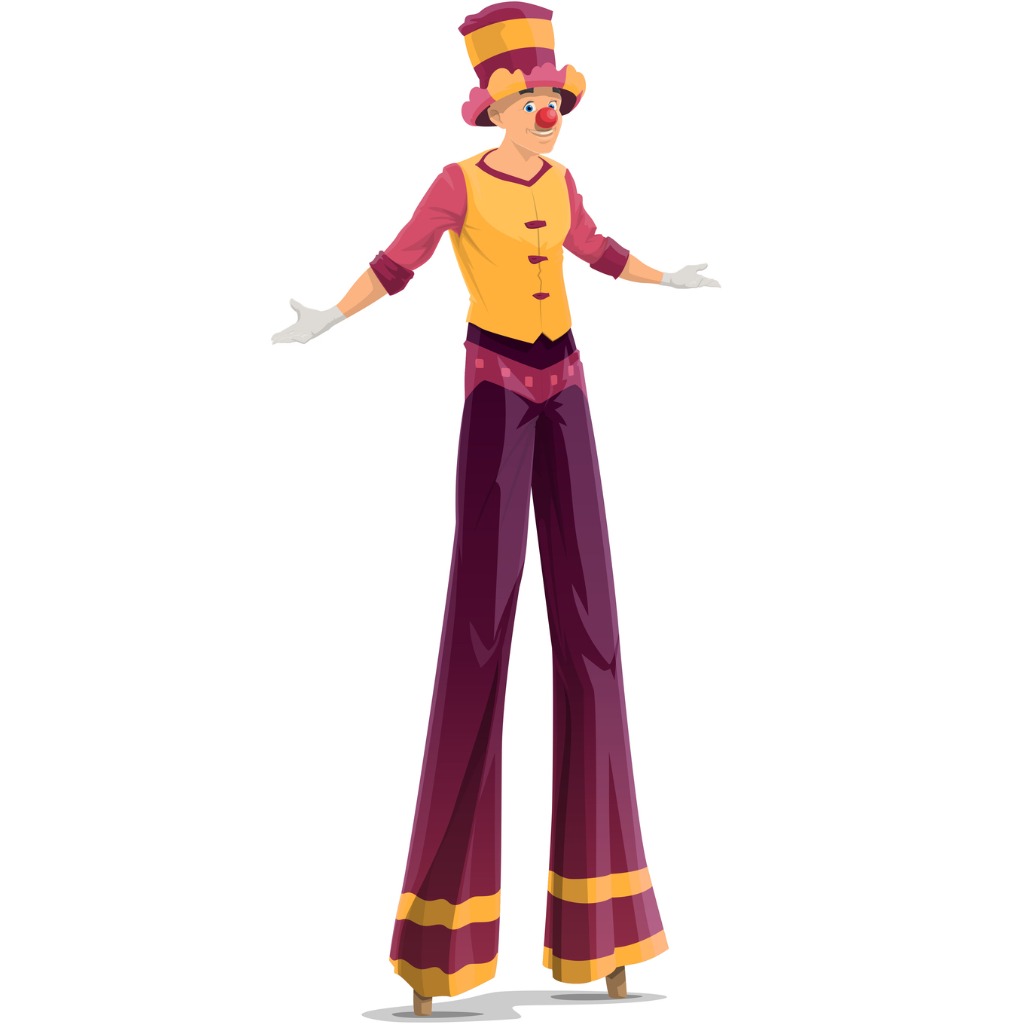
Stilt Walker
A stilt walker is a performer who walks on stilts, which are long poles or pegs that elevate the person's height above the ground.

Circus Animal Trainer
A circus animal trainer specializes in training and working with animals for performances in circuses.
Circus Performer
A circus performer is an entertainer who showcases their skills and talents in various acts within a circus setting.
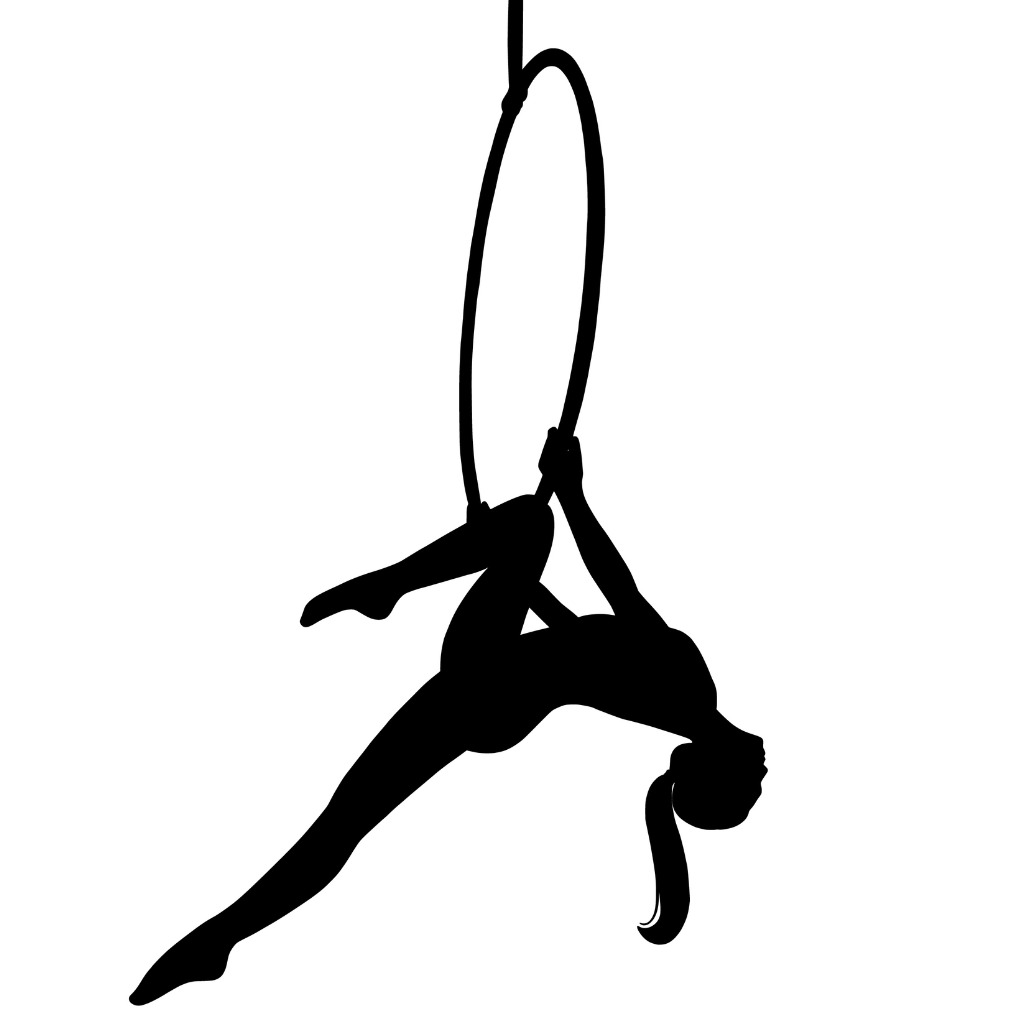
Aerialist
An aerialist specializes in aerial arts, which involve performing acrobatic maneuvers and poses while suspended in the air using various apparatuses.
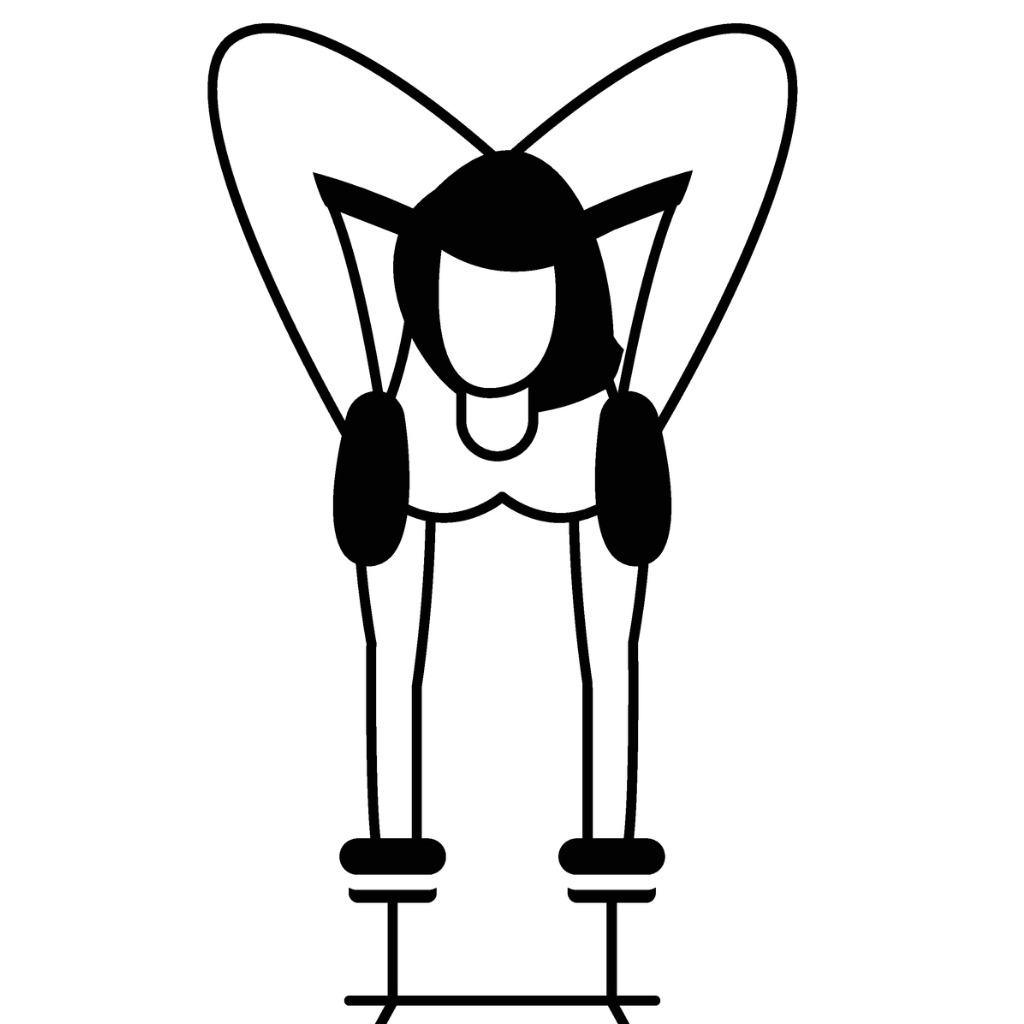
Contortionist
A contortionist is a highly skilled performer who possesses exceptional flexibility and body control.
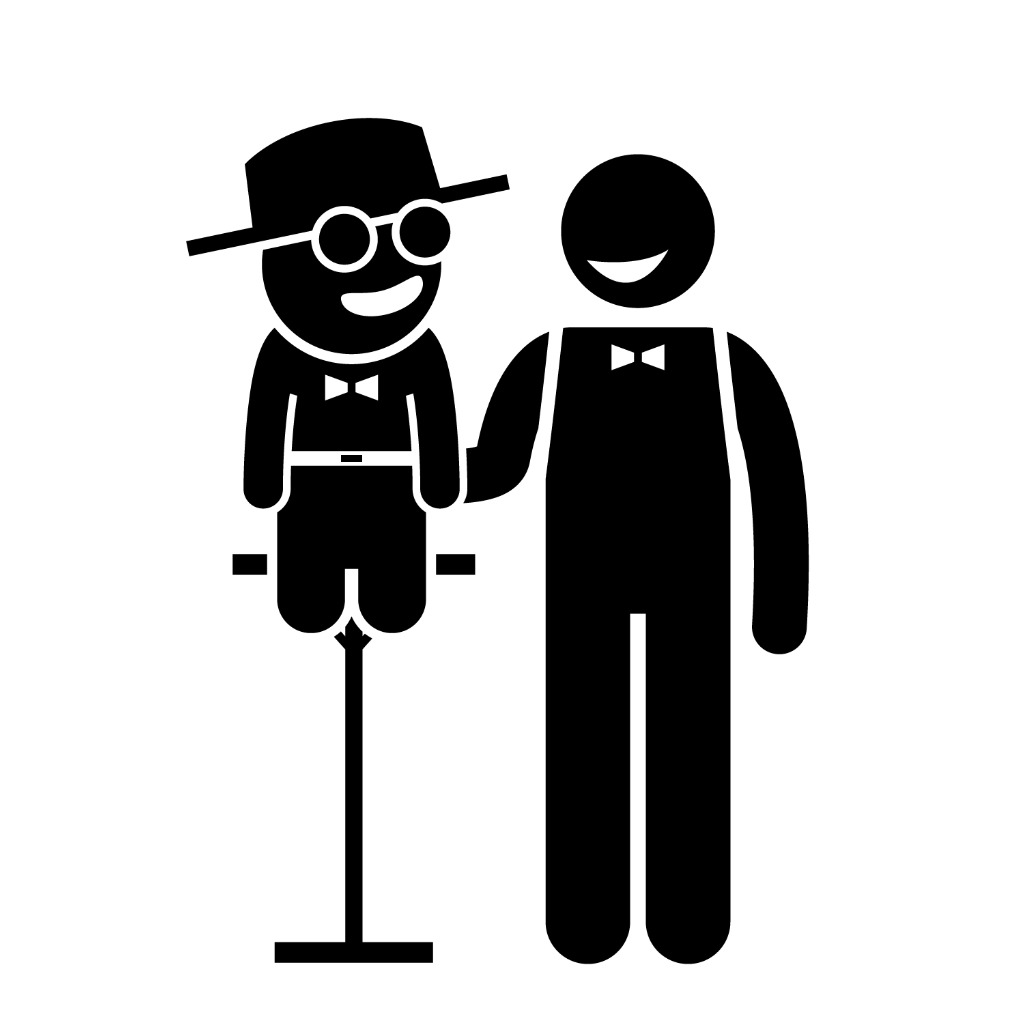
Ventriloquist
A ventriloquist is a performer who can make it seem like their voice is coming from somewhere else, usually a puppet or doll, rather than from their own mouth.

Magician
A magician is an entertainer who performs tricks or illusions that amaze and surprise audiences.

Tightrope Walker
A tightrope walker is a performer who balances and walks along a thin wire or rope, usually stretched high above the ground.