What is a Residential Organizer?
Residential organizers help individuals and families declutter, organize, and optimize the living spaces in their homes. Cluttered or disorganized homes can lead to wasted time, frustration, and even anxiety. Professional organizers work to create well-organized environments that support productivity, mental clarity, and a sense of control.
They also help clients develop simple routines and systems that make it easier to keep their homes tidy over time. This ongoing support empowers people to maintain the results and enjoy a more comfortable, functional living space.
What does a Residential Organizer do?
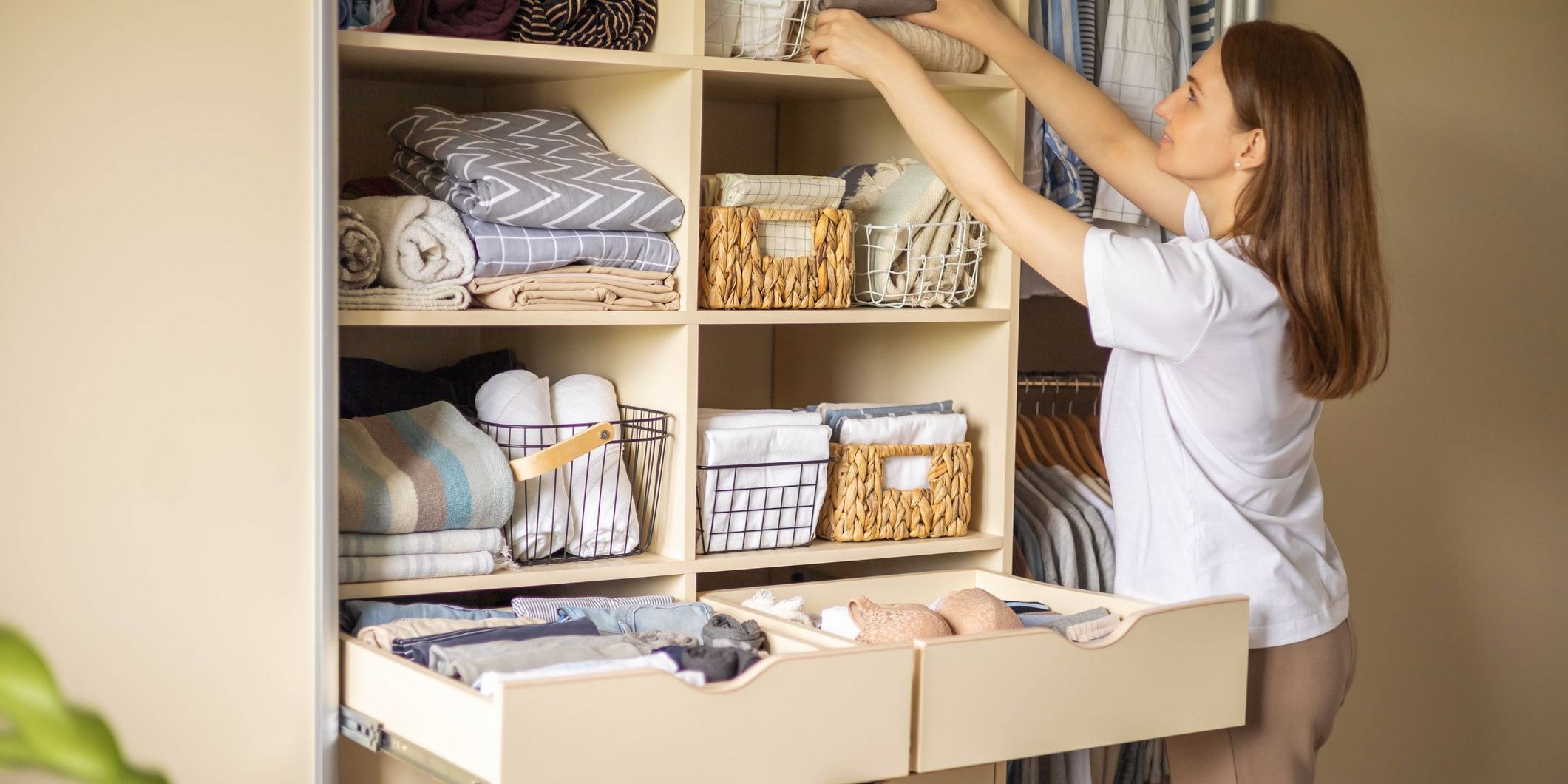
Duties and Responsibilities
A residential organizer provides clients with guidance and solutions to enjoy a comfortable, orderly, and stress-free home. Here’s a look at what the job entails:
- Assessment of Spaces: Evaluate the client’s home to identify cluttered or inefficient areas and determine organization needs. This step helps prioritize which areas to tackle first and establishes a clear plan of action.
- Decluttering: Help clients sort belongings, decide what to keep, donate, sell, or discard. The process also teaches clients decision-making skills to prevent future accumulation.
- Space Planning: Design layouts and storage solutions that maximize the use of available space. Thoughtful planning ensures both aesthetics and functionality are considered.
- Implementing Organization Systems: Set up functional systems for closets, kitchens, pantries, home offices, garages, and other areas. Proper implementation makes it easier for clients to maintain organization over time.
- Customized Solutions: Tailor organizational strategies to the client’s lifestyle, habits, and preferences. Personalized solutions increase the likelihood that systems will be used consistently.
- Labeling and Categorizing: Label items, storage bins, and shelves to improve accessibility and order. Clear labeling reduces time spent searching for belongings.
- Guidance and Coaching: Educate clients on maintaining organization and implementing daily habits that prevent clutter. Ongoing coaching empowers clients to sustain a clutter-free home independently.
- Coordination with Other Professionals: Work with interior designers, movers, or contractors if needed for large-scale projects. Collaboration ensures a seamless process and professional results.
- Time Management Advice: Offer strategies to optimize daily routines and household management. Effective time management supports a well-organized and stress-free environment.
- Follow-Up Support: Provide ongoing support or check-ins to ensure long-term organization is maintained. This helps clients adjust systems as their needs or lifestyles change.
Different Types of Residential Organizers
Residential organizers often differentiate themselves based on the client’s needs, the space being organized, or their area of expertise:
- Clutter or Hoarding Specialists focus on helping clients who struggle with excessive clutter or hoarding behaviors, often requiring sensitivity and gradual approaches.
- Closet and Wardrobe Organizers specialize in organizing clothing, shoes, and accessories to maximize closet space and improve accessibility.
- Kitchen and Pantry Organizers help streamline kitchen layouts, pantry storage, and cooking workflows for efficiency.
- Home Office Organizers focus on decluttering and optimizing workspaces for productivity, filing systems, and paper management.
- Move-in/Move-out Organizers assist clients during relocations by organizing possessions, packing, and setting up new spaces efficiently.
- Paper and Digital Organizers specialize in sorting, filing, and managing documents, bills, and digital files for easy retrieval.
- Full-Home Organizers work across multiple rooms or entire households, creating cohesive systems throughout the home.
Many residential organizers combine several specialties, depending on their training and client demand.
Residential organizers have distinct personalities. Think you might match up? Take the free career test to find out if residential organizer is one of your top career matches. Take the free test now Learn more about the career test
What is the workplace of a Residential Organizer like?
Residential organizers are typically self-employed or work for professional organizing companies, but they can also be hired by other clients:
- Private Homeowners – seeking help to declutter, organize, or optimize their living spaces
- Real Estate Agents and Stagers – to prepare homes for sale, making them more appealing to potential buyers
- Interior Designers – to ensure functional layouts and efficient use of space in home design projects
- Moving Companies – to assist clients with packing, unpacking, and setting up new homes
- Corporate Clients – for home office organization or lifestyle consulting, particularly for executives or remote workers
- Senior Living Communities – to help older adults downsize, declutter, or optimize their living spaces for safety and convenience
Residential organizers often work with a mix of client types, which helps keep their schedule varied and interesting.
Their workplace is flexible and client-focused, with most of their time spent in the homes of clients. They move between different settings, from apartments and houses to larger estates, helping clients sort, declutter, and organize. The job can involve lifting, bending, and carrying items, as well as bringing along bins, labels, and storage solutions. Organizers also spend time in home offices or studios planning projects, scheduling appointments, and managing supplies. Many maintain a virtual workspace as well, connecting with clients online for consultations, planning, and follow-up support.
Frequently Asked Questions
Clutter and Organization-Related Careers and Degrees
Residential Organizers are also known as:
Home Organizer