What is a Sewer?
A sewer works with fabric and sewing tools to create, assemble, or repair items by stitching materials together. This can include clothing, accessories, home décor, or industrial textile products. The role focuses on the act of sewing itself, rather than on garment design or fitting.
Sewers may work in many different settings, such as factories, workshops, small businesses, or at home. Some sew as part of a production team following patterns and instructions, while others sew independently for personal projects or small-scale orders.
What does a Sewer do?
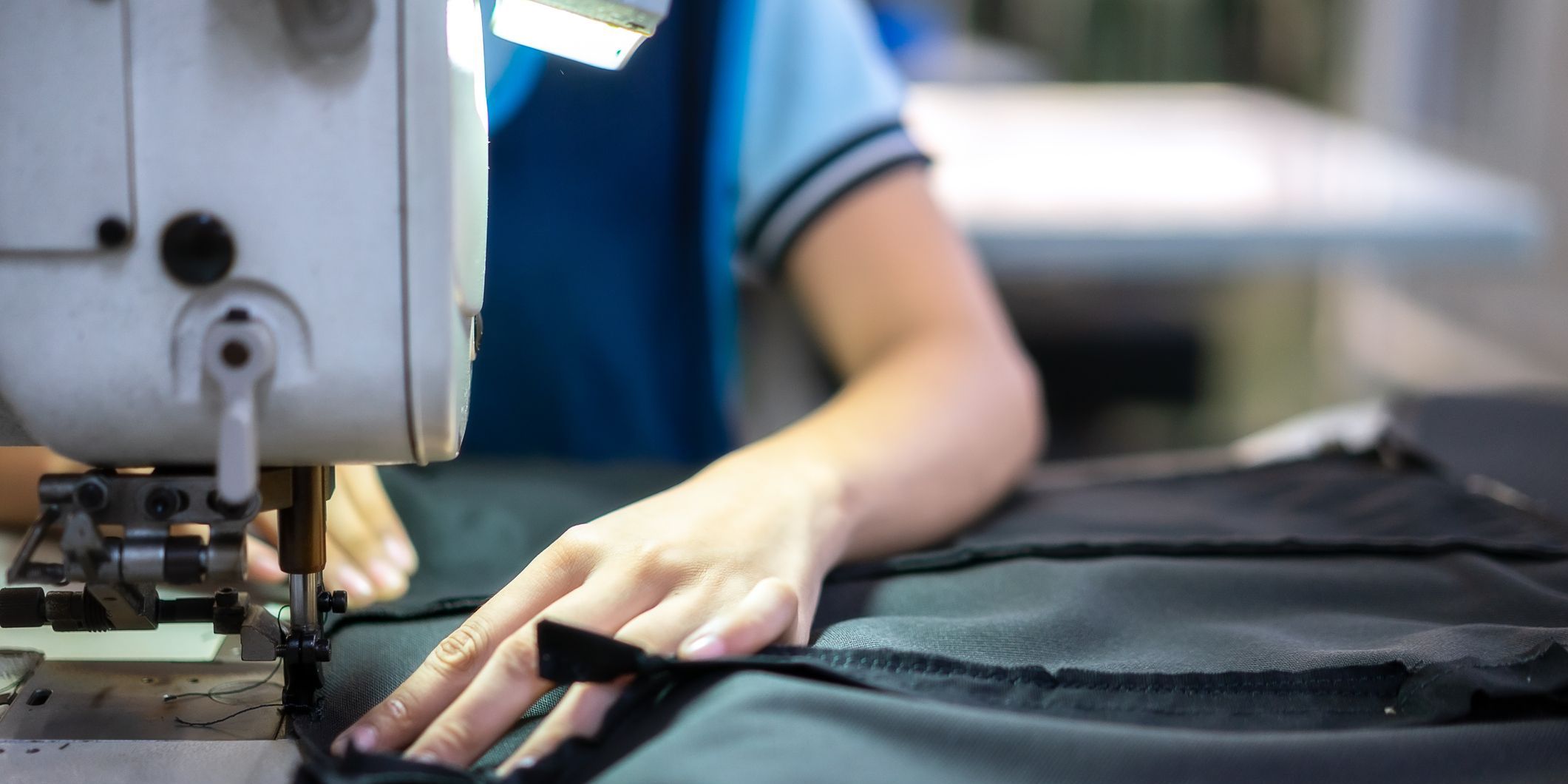
Duties and Responsibilities
The duties and responsibilities of a sewer can vary depending on the industry and work environment. However, here are some common responsibilities associated with the role:
- Sewing Fabric Pieces Together: Operate sewing machines to stitch fabric components according to patterns or production instructions. This can include straight seams, reinforced seams, or decorative stitching depending on the product.
- Operating Sewing Equipment: Use industrial or home sewing machines, sergers, and basic hand tools safely and efficiently. Perform minor adjustments to ensure consistent stitch quality.
- Following Patterns and Instructions: Read and interpret patterns, measurements, or production guides accurately. Ensure each item matches design specifications and quality standards.
- Inspecting Finished Work: Examine completed pieces for accuracy, consistency, and overall quality. Correct minor stitching issues or defects when necessary.
- Measuring and Cutting Materials: Accurately measure and cut fabric or other materials to prepare them for assembly. Follow production guidelines to minimize waste.
- Maintaining a Clean Work Area: Keep machines, tools, and workspace organized. This supports efficiency, safety, and consistent product quality.
Types of Sewers
There are several types of sewers, each specializing in different products, materials, or production settings. These common types reflect how sewing skills are applied across industries:
- Industrial Sewer: Works in factories or manufacturing settings assembling garments or textile products in large quantities. The role focuses on speed, consistency, and following strict production standards.
- Garment Sewer: Specializes in sewing clothing items such as shirts, pants, or dresses. This work may involve sewing full garments or completing specific parts like sleeves or seams.
- Upholstery Sewer: Sew fabric or leather used for furniture, vehicle interiors, or cushions. Materials are often heavier and require specialized machines and techniques.
- Product Sewer: Creates non-clothing items such as bags, tents, uniforms, or safety gear. Precision and durability are especially important in this type of sewing work.
- Sample Sewer: Produces prototype garments or products before mass production begins. This role supports designers and manufacturers by testing patterns and construction methods.
What is the workplace of a Sewer like?
Sewers typically work in environments where sewing is part of a production process. This can include garment factories, textile manufacturing facilities, or upholstery workshops, where they operate sewing machines to assemble products efficiently. The workplace is often structured, with set tasks and clear quality standards to meet production goals.
In production settings, sewers may work alongside teams, each responsible for specific steps such as stitching seams, attaching trims, or finishing edges. Equipment such as industrial sewing machines, cutting tables, and pressing stations are common, and the pace can be fast to meet deadlines. Attention to detail and consistency are critical to ensure that finished products meet quality requirements.
Sewers working in smaller-scale or home-based operations often focus on producing sewn items for limited batches, such as home textiles, accessories, or upholstery pieces. They may handle all aspects of the sewing process, from cutting fabric to machine stitching, but typically work on more standardized or repeated products rather than custom garments. These settings often allow for more flexible schedules but still demand precision and skill to maintain quality.
Frequently Asked Questions
Seamstress vs Sewer
Seamstress and sewer are related, but they are not exactly the same.
Seamstress
A seamstress traditionally refers to someone, usually a woman, who sews garments and focuses on custom work, alterations, or dressmaking. This term is commonly associated with tailoring shops, bridal boutiques, and home-based businesses, emphasizing skill in garment construction, fitting, and finishing.
Sewer
A sewer is a gender-neutral term for someone who sews in a professional or industrial context, often in garment factories, upholstery production, or other manufacturing settings. This role typically involves following patterns, operating sewing machines, and producing items at scale, rather than creating custom or individually fitted clothing.
Sewers are also known as:
Hand Sewer