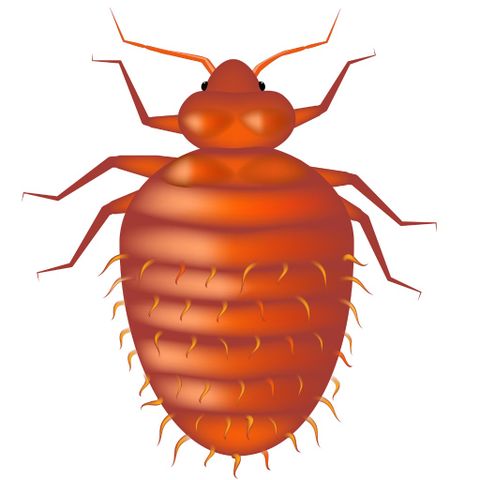
AI is already helping identify infestation patterns, schedule treatments, and generate customer reports. Here's what that means for your career and what to do about it.
AI won't replace bed bug exterminators, but it's already replacing some of the paperwork and diagnostics around the job. You'll still crawl behind headboards and inspect mattress seams yourself. Physical inspection, chemical judgment, and customer reassurance remain irreplaceable.
TASK LEVEL RISK
Most of the work stays human. AI assists at the edges.
AI is handling specific tasks. The core role is intact but shifting.
AI is automating significant portions of the work. Adaptation is essential.
 Higher risk
scheduling appointments, generating treatment reports, tracking chemical inventory, routing service calls, customer follow-up emails, pest identification from photos
Lower risk
physical inspection of bedding and furniture, applying heat or chemical treatments, moving furniture, reassuring anxious clients, adapting to unusual home layouts, K9 handling
Bed bug work requires physical access to tight spaces, hands-on treatment application, and calming anxious homeowners in deeply personal settings.
WHAT YOU SHOULD DO
Skills to build for the AI era
New skills - Adapt to the AI landscape
 New skills - Adapt to the AI landscape
Use image recognition apps and diagnostic tools to confirm bed bug species and life stages from customer photos quickly.
Install and manage IoT-based bed bug traps and sensors that report activity remotely to central dashboards.
Operate field service software like PestPac or FieldRoutes to log treatments, chemical use, and generate customer reports.
Combine heat, chemical, and preventive strategies using data-driven protocols aligned with EPA and state regulations.
Timeless skills - What AI can't replicate
 Timeless skills - What AI can't replicate
Crawl into tight spaces, flip mattresses, and read subtle physical evidence like fecal spots and shed skins.
Calm anxious clients, explain preparation steps clearly, and rebuild trust in their home environment after invasive treatments.
Choose safe, effective products for each situation considering pets, children, allergies, and resistance patterns in local bug populations.
THE FULL PICTURE
What AI can do, what it can't, and where the career is headed
What AI can already do
- Analyze photos to help identify bed bug species
- Generate treatment plans based on infestation severity
- Schedule follow-up visits and reminders automatically
- Draft customer service reports and invoices
- Track pesticide usage for compliance records
- Predict re-infestation risk from historical data
What AI can't do
- AI cannot physically inspect mattress seams, box springs, or baseboards for live bugs and eggs.
- AI cannot operate heat treatment equipment or safely apply targeted pesticides in cluttered rooms.
- AI cannot calm a distressed family whose home has been invaded by bed bugs.
- AI cannot adapt on the spot when a treatment plan meets an unexpected apartment layout.
- These are the irreplaceable contributions of bed bug exterminators, and they remain entirely human.
Bed bug exterminators will use AI to sharpen diagnostics and paperwork, but the physical, personal core of the work stays firmly human.
Do you have the right strengths for this career?
Our test measures your personality and strengths — and shows how you match with 1600+ careers.
Job outlook
The BLS projects pest control worker employment to grow about 3% from 2024 to 2034, roughly average for all occupations. Demand is strongest in dense urban areas like New York, Los Angeles, and Chicago where bed bug reports remain persistent. Technicians certified in heat treatment and integrated pest management have the best prospects.