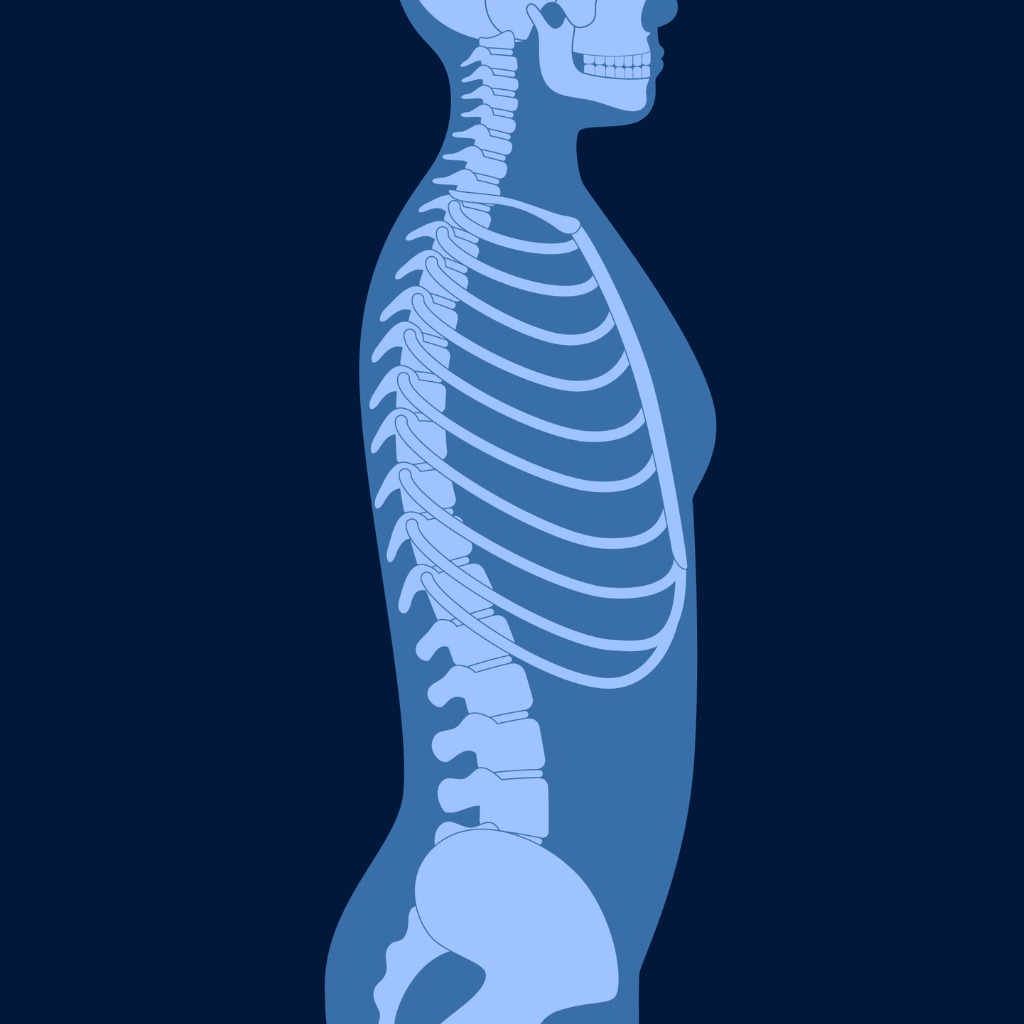
AI is already detecting spinal abnormalities, flagging fractures, and pre-reading radiographs. Here's what that means for your career and what to do about it.
AI won't replace chiropractic radiologists, but it's already replacing some of the pattern-recognition work they do. Detection algorithms now assist with initial reads, freeing specialists for complex interpretation. Clinical judgment, patient correlation, and legal accountability remain irreplaceable.
TASK LEVEL RISK
Most of the work stays human. AI assists at the edges.
AI is handling specific tasks. The core role is intact but shifting.
AI is automating significant portions of the work. Adaptation is essential.
 Higher risk
routine fracture detection, image measurement, standard report drafting, disc space quantification, alignment analysis, image quality checks
Lower risk
differential diagnosis, patient history correlation, referral consultations, complex case interpretation, medicolegal reporting, teaching residents
Chiropractic radiology requires clinical correlation with patient history, legal accountability for diagnostic decisions, and nuanced judgment AI cannot replicate reliably.
WHAT YOU SHOULD DO
Skills to build for the AI era
New skills - Adapt to the AI landscape
 New skills - Adapt to the AI landscape
Working alongside AI detection tools like Aidoc or Zebra Medical to validate flagged findings and improve reading accuracy.
Managing PACS integration, DICOM standards, and structured reporting systems to streamline AI-augmented diagnostic workflows across clinical settings.
Evaluating AI model outputs for bias, false positives, and clinical accuracy before incorporating findings into final diagnostic reports.
Remotely reading and reporting on studies across multiple clinics using cloud-based platforms and secure asynchronous consultation tools.
Timeless skills - What AI can't replicate
 Timeless skills - What AI can't replicate
Integrating imaging findings with patient history, physical exams, and symptoms to produce accurate, actionable diagnostic conclusions.
Weighing ambiguous or conflicting findings using experience, pattern recognition, and clinical reasoning that AI cannot reliably replicate.
Explaining findings clearly to chiropractors and patients, building trust that supports coordinated musculoskeletal care planning.
THE FULL PICTURE
What AI can do, what it can't, and where the career is headed
What AI can already do
- Detect fractures and lesions on spinal radiographs
- Measure vertebral angles and disc spaces automatically
- Flag anomalies for radiologist review
- Generate preliminary structured reports
- Compare current images to prior studies
- Optimize image quality and reduce retake rates
What AI can't do
- Correlate imaging findings with a patient's clinical presentation and history.
- Accept legal and ethical responsibility for a final diagnosis.
- Communicate nuanced findings to referring chiropractors and patients.
- Make judgment calls when imaging findings are ambiguous or contradictory.
- These are the core contributions of Chiropractic Radiologists, and they remain entirely human.
Chiropractic radiologists who embrace AI as a diagnostic partner will spend more time on the complex, high-value cases where their judgment truly matters.
Do you have the right strengths for this career?
Our test measures your personality and strengths — and shows how you match with 1600+ careers.
Job outlook
The BLS projects overall chiropractor employment to grow 10 percent from 2024 to 2034, faster than average. Demand is strongest in outpatient clinics, integrated care settings, and sports medicine practices. Radiology specialists with AI-augmented workflow skills will see the strongest prospects.