Is becoming an electronic music producer right for me?
The first step to choosing a career is to make sure you are actually willing to commit to pursuing the career. You don’t want to waste your time doing something you don’t want to do. If you’re new here, you should read about:

Still unsure if becoming an electronic music producer is the right career path? Take the free CareerExplorer career test to find out if this career is right for you. Perhaps you are well-suited to become an electronic music producer or another similar career!
Described by our users as being “shockingly accurate”, you might discover careers you haven’t thought of before.
How to become an Electronic Music Producer
Aspiring electronic music producers follow a path of education, skill building, and practical experience to prepare for success in the field. Here are the key steps many professionals take to enter this career:
- Formal Education: Many producers pursue a degree in sound engineering, music theory and composition, or music. These programs teach the physics of sound and the technical standards required for professional releases.
- Select and Master a DAW: Choosing a ‘Digital Audio Workstation’ like Ableton Live, FL Studio, or Bitwig is the first major step. You must spend thousands of hours learning the shortcuts and features of your chosen software.
- Study Sound Design: Beyond using presets, successful producers learn how to build sounds from scratch using synthesis. This skill is what allows you to create a "signature sound" that sets you apart from others.
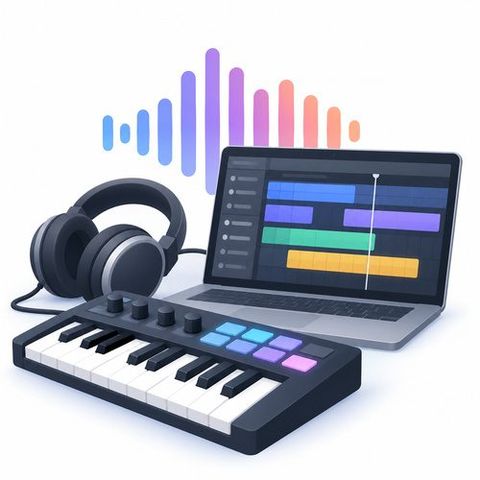
- Build a Home Studio: Invest in a reliable computer, an audio interface, and high-quality studio monitors or headphones. Having a consistent environment to hear your music is vital for developing your mixing skills.
- Release Music Independently: Use platforms like SoundCloud, Bandcamp, or DistroKid to get your music out to the public. Consistent releases help you build a fanbase and attract the attention of record labels.
- Networking and Professional Development: Attend music tech trade shows like NAMM or participate in online production "masterclasses." Connecting with other producers can lead to collaborations and shared knowledge.
- Develop a Live Set: Many producers transition into performing their music live as DJs or with MIDI (musical instrument digital interface) controllers. Live performance is often a primary source of income and a way to test new tracks on a crowd.
Certifications
Technical certifications can validate your skills to employers in the gaming, film, and recording industries. Here are some recognized credentials:
- Ableton Certified Trainer: This is a prestigious certification for those who have mastered Ableton Live and wish to teach others. It signifies a ‘power user’ status that is highly respected in the electronic community.
- Dante Certification (Levels 1-3): Essential for producers working in modern live sound or high-end studio installations. It proves you can manage audio-over-IP networking, which is becoming a standard in the industry.
- Apple Certified Pro (Logic Pro): This certification is great for producers who focus on the composition and scoring’ side of electronic music. It demonstrates a high level of efficiency and technical troubleshooting ability.
- Waves Certification: Offered by the famous plugin company, this proves you know how to use professional mixing tools effectively. It is a great way to show that you have a ‘pro’ approach to finishing tracks.
- Steinberg Certified Training (Cubase): This is particularly valuable for producers moving into film scoring or high-end European studio markets. It shows mastery of one of the most powerful and complex DAWs available.