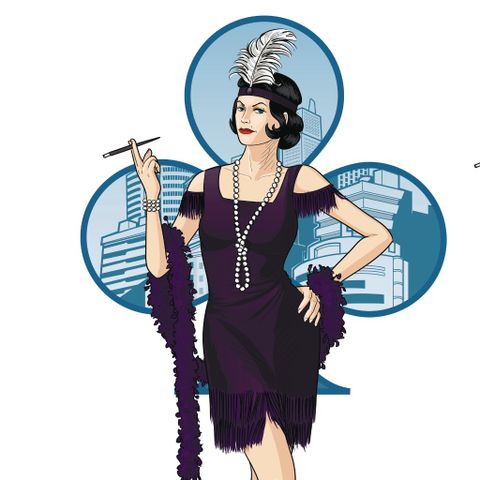
AI is already generating costume concept art, researching period wardrobes, and suggesting fabric options. Here's what that means for your career and what to do about it.
AI won't replace film costume designers, but it's changing how they research, sketch, and pitch ideas. Studios now expect faster mood boards and more visual iterations upfront. Craftsmanship, character interpretation, and on-set collaboration remain irreplaceable.
TASK LEVEL RISK
Most of the work stays human. AI assists at the edges.
AI is handling specific tasks. The core role is intact but shifting.
AI is automating significant portions of the work. Adaptation is essential.
 Higher risk
period research, mood board creation, initial concept sketches, fabric sourcing databases, budget spreadsheets, continuity tracking
Lower risk
actor fittings, on-set adjustments, director collaboration, hand-tailoring decisions, character psychology interpretation, aging and distressing garments
Costume design depends on tactile fabric judgment, actor collaboration during fittings, and character interpretation shaped by director vision AI cannot replicate.
WHAT YOU SHOULD DO
Skills to build for the AI era
New skills - Adapt to the AI landscape
 New skills - Adapt to the AI landscape
Use Midjourney, DALL-E, and Stable Diffusion to generate rapid costume concepts and period references for director pitches.
Master CLO3D and Marvelous Designer to prototype costumes digitally, saving fabric costs and enabling virtual production integration.
Understand LED volume shoots and how costume colors, textures, and reflectivity behave on virtual sets with real-time rendering.
Navigate ethical fabric supply chains, rental libraries, and circular wardrobe practices increasingly demanded by studios and streaming platforms.
Timeless skills - What AI can't replicate
 Timeless skills - What AI can't replicate
Translate script subtext and director vision into wardrobe choices that reveal psychology, class, and emotional arc across scenes.
Read actor bodies, movement, and comfort during fittings, making tailoring calls that AI simulation cannot approximate or replace.
Handle weather changes, wardrobe malfunctions, and last-minute director requests with speed, calm, and creative resourcefulness.
THE FULL PICTURE
What AI can do, what it can't, and where the career is headed
What AI can already do
- Generate period-accurate reference images from text prompts
- Compile historical costume research quickly
- Produce initial sketch variations for concept exploration
- Organize continuity photos across scenes
- Suggest fabric alternatives within budget constraints
- Draft costume breakdown documents from scripts
What AI can't do
- AI cannot conduct fitting sessions where an actor's movement and body reveal what a costume needs.
- AI cannot interpret a director's emotional vision through cloth, color, and silhouette choices.
- AI cannot make real-time decisions on set when weather, lighting, or performance changes demand adjustments.
- AI cannot age, distress, or hand-tailor a garment with the tactile judgment a scene requires.
- These are the irreplaceable contributions of Film Costume Designers, and they remain entirely human.
Film costume designers who blend AI-driven visualization with tactile craft and character insight will lead the next generation of production wardrobes.
Do you have the right strengths for this career?
Our test measures your personality and strengths — and shows how you match with 1600+ careers.
Job outlook
The BLS projects employment for fashion designers, including costume designers, to grow about 3 percent from 2024 to 2034. Demand remains strongest in streaming production hubs like Los Angeles, Atlanta, and New York. Designers with period expertise, fantasy world-building, and digital sketching skills have the strongest prospects.