
What is a Garbage Collector?
A garbage collector is a person who collects and removes waste from homes, businesses, and public spaces to keep communities clean and safe. They typically work on trucks that pick up trash and recycling, often following a set route each day to collect refuse from designated areas.
Garbage collectors also help sort recyclable materials, ensure hazardous waste is handled properly, and maintain cleanliness in neighborhoods and streets. Their work is physically demanding and requires early hours, but it plays a vital role in public health and environmental sustainability.
What does a Garbage Collector do?
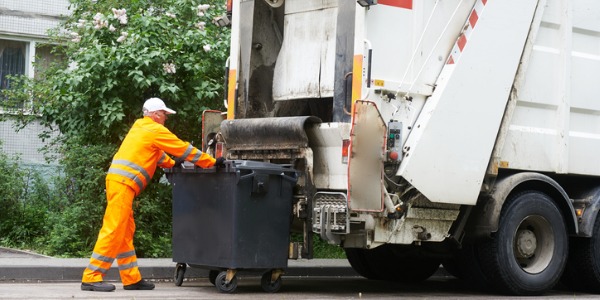
Duties and Responsibilities
Garbage collectors are responsible for the safe and efficient collection, transportation, and disposal of waste from homes, businesses, and public spaces. Here is an overview of their key responsibilities:
- Scheduled Waste Collection: Follow assigned routes to collect household garbage, recycling, and yard waste according to a predetermined schedule. Operate collection vehicles safely and efficiently to pick up and transport waste.
- Loading and Unloading: Load and unload garbage bins, containers, and recyclables onto and from collection vehicles. Ensure proper handling of waste to minimize spills and maintain cleanliness.
- Sorting and Recycling: Separate recyclable materials from non-recyclables during collection. Support recycling efforts by handling materials according to established procedures.
- Adherence to Safety Procedures: Follow safety protocols to reduce risks during collection activities. Use personal protective equipment and operate vehicles and equipment according to safety guidelines.
- Communication and Documentation: Coordinate with team members and supervisors to ensure smooth collection operations. Record collection data and report issues or incidents as required.
- Maintenance of Equipment: Perform basic inspections and maintenance on collection vehicles and equipment. Report mechanical problems to ensure vehicles remain in safe working condition.
- Customer Interaction: Interact courteously with residents and businesses during collection. Provide guidance on proper waste disposal and recycling when needed.
- Route Planning and Efficiency: Plan collection routes to maximize productivity and minimize fuel usage. Ensure timely waste collection and adherence to schedules.
- Environmental Compliance: Follow local, state, and federal regulations governing waste disposal. Deliver waste to designated facilities in compliance with environmental rules.
Types of Garbage Collectors
Garbage collectors may specialize in different types of waste depending on the community or organization they work for. Here are common types of garbage collectors:
- Residential Garbage Collectors: Focus on picking up household waste from residential areas. Operate vehicles suitable for neighborhood streets and alleys.
- Commercial Garbage Collectors: Serve businesses and commercial establishments, handling larger volumes of waste. Operate larger collection vehicles for commercial bins.
- Recycling Collectors: Specialize in collecting and transporting recyclable materials such as paper, glass, plastic, and metal. Support recycling programs by ensuring proper handling of materials.
- Yard Waste Collectors: Collect organic materials like grass clippings, leaves, and branches. Work may include separate collection vehicles for composting purposes.
- Bulk Item Collectors: Pick up large or oversized items that cannot fit in standard waste containers, including furniture and appliances.
- Hazardous Waste Collectors: Handle waste that poses environmental or health risks, following strict safety and disposal procedures.
- Electronic Waste Collectors: Collect electronic devices such as computers, televisions, and other electronics. Ensure items are recycled or disposed of according to regulations.
- Construction Debris Collectors: Collect waste from construction and demolition projects, including wood, metal, concrete, and other debris.
- Medical Waste Collectors: Work with healthcare facilities to safely collect and dispose of medical waste in compliance with health regulations.
- Organic Waste Collectors: Focus on food scraps and other organic waste to support composting programs and reduce landfill contributions.
What is the workplace of a Garbage Collector like?
The workplace of a garbage collector is mostly outdoors and involves traveling through neighborhoods, business areas, and streets to collect waste. They often start work early in the morning and spend the day loading garbage, recycling, and yard waste into trucks, making sure everything is handled safely and efficiently.
Garbage collectors usually work in teams, so communication and coordination are important. They must follow safety rules, wear protective gear, and sometimes handle heavy or hazardous materials, depending on their route. Their vehicles serve as both a tool and a mobile workplace, and they perform routine checks to keep them in good working condition.
The work can be physically demanding and requires stamina, but it also has structure, with assigned routes and schedules to follow. Collectors may also interact with residents or businesses, answer questions, and educate the public about recycling or proper waste disposal.
Garbage Collectors are also known as:
Trash Collector
Waste Collector