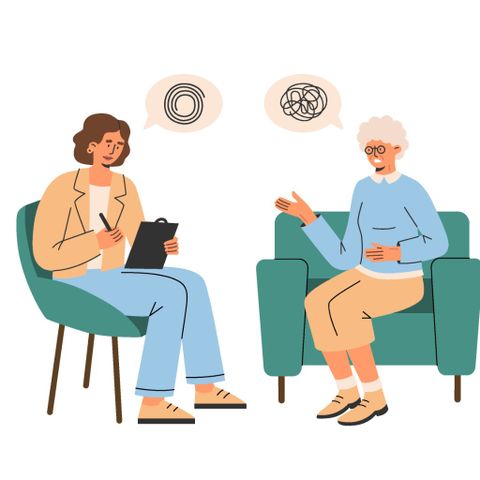

AI is already drafting session notes, screening for depression symptoms, and summarizing intake forms. Here's what that means for your career and what to do about it.
AI won't replace geriatric counselors, but it's already handling some of the paperwork that consumes their time. Documentation tools now generate progress notes from session audio, freeing counselors for direct client care. Empathy, cultural sensitivity, and trust with vulnerable elders remain irreplaceable.
TASK LEVEL RISK
Most of the work stays human. AI assists at the edges.
AI is handling specific tasks. The core role is intact but shifting.
AI is automating significant portions of the work. Adaptation is essential.
 Higher risk
intake form processing, session note drafting, appointment scheduling, depression screening surveys, resource directory searches, billing documentation
Lower risk
grief counseling, family mediation, end-of-life conversations, dementia behavioral interventions, crisis response, cultural sensitivity, ethical decision-making with cognitively impaired clients
Geriatric counseling depends on relational trust, ethical judgment around end-of-life issues, and reading subtle emotional cues that AI cannot authentically perceive.
Vanderbilt University
Educational Leadership and Organizational Effectiveness Online M.Ed.
- Duration 15 months
- Part-time available
- Tuition $2,492/credit hour
- Format 100% online
Sponsored Content
WHAT YOU SHOULD DO
Skills to build for the AI era
New skills - Adapt to the AI landscape
 New skills - Adapt to the AI landscape
Use platforms like Eleos or Blueprint to auto-generate session notes and treatment plans, freeing time for direct client work.
Adapt therapeutic techniques for video sessions with elders, including managing hearing loss, screen fatigue, and family member presence.
Help older clients and caregivers navigate health apps, video calls, and monitoring devices as part of their care plan.
Understand consent, privacy, and bias issues when AI tools are used with cognitively impaired or vulnerable aging populations.
Timeless skills - What AI can't replicate
 Timeless skills - What AI can't replicate
Sit with elders through grief, fear, and loss in ways that convey genuine understanding no algorithm can replicate.
Navigate complex family dynamics around caregiving, finances, and end-of-life decisions with cultural and emotional intelligence.
Balance autonomy, safety, and dignity when working with clients whose capacity to consent may be diminished or fluctuating.
THE FULL PICTURE
What AI can do, what it can't, and where the career is headed
What AI can already do
- Transcribe and summarize counseling sessions automatically
- Screen clients for depression or anxiety symptoms
- Draft treatment plan templates from session notes
- Match clients to community resources and support groups
- Flag medication interactions from client-reported lists
- Generate progress reports for insurance and family updates
What AI can't do
- Build the trust required for an elder to share fears about dying.
- Read body language and silence during a grief session.
- Navigate family conflicts around caregiving and inheritance with cultural nuance.
- Make ethical judgments when a client with dementia refuses needed care.
- These are the irreplaceable contributions of Geriatric Counselors, and they remain entirely human.
Geriatric counselors who adopt AI documentation tools will spend more time on the human connection that defines the profession.
Do you have the right strengths for this career?
Our test measures your personality and strengths — and shows how you match with 1600+ careers.
Job outlook
The BLS projects employment for mental health counselors to grow 19 percent from 2024 to 2034, much faster than average. Demand is strongest in aging communities, hospice settings, and long-term care facilities. Counselors specializing in dementia care, grief, and end-of-life support have the strongest prospects.