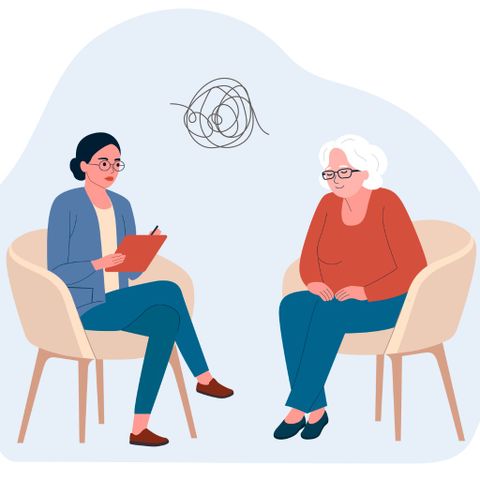
AI is already drafting case notes, screening for depression risk, and matching clients to community resources. Here's what that means for your career and what to do about it.
AI won't replace geriatric social workers, but it's already replacing some of the documentation and referral work they do. Agencies are adopting tools that summarize visits and flag high-risk clients. Empathy, advocacy, and presence at the bedside remain irreplaceable.
TASK LEVEL RISK
Most of the work stays human. AI assists at the edges.
AI is handling specific tasks. The core role is intact but shifting.
AI is automating significant portions of the work. Adaptation is essential.
 Higher risk
case note documentation, benefits eligibility screening, resource database searches, appointment scheduling, initial risk assessments, insurance paperwork
Lower risk
end-of-life conversations, family mediation, home visits, elder abuse investigation, crisis intervention, grief counseling, capacity assessments
Geriatric social work depends on physical presence, ethical advocacy for vulnerable elders, and trust built through decades of accumulated life experience.
WHAT YOU SHOULD DO
Skills to build for the AI era
New skills - Adapt to the AI landscape
 New skills - Adapt to the AI landscape
Reviewing and correcting AI-generated case notes using tools like Eleos or Notable to ensure clinical accuracy and client voice.
Guiding elders through video visits and remote monitoring platforms, bridging digital literacy gaps that isolate older adults from care.
Identifying when AI risk scores or benefit-matching tools systematically disadvantage elders based on race, income, or geography.
Helping clients adopt smart home sensors, medication dispensers, and fall detection systems without compromising dignity or autonomy.
Timeless skills - What AI can't replicate
 Timeless skills - What AI can't replicate
Sitting with dying clients and their families, holding space for grief, spiritual questions, and unfinished relational business.
Recognizing subtle physical, financial, and emotional exploitation patterns that require intuition built from hundreds of home visits.
Navigating decades of sibling conflict, inheritance tensions, and caregiver guilt to reach workable care decisions.
THE FULL PICTURE
What AI can do, what it can't, and where the career is headed
What AI can already do
- Draft case notes from recorded visits
- Screen intake forms for depression and fall risk
- Match clients to local benefits and programs
- Summarize medical records for care planning
- Generate reminder calls and medication schedules
- Flag caregivers showing burnout indicators
What AI can't do
- Sit with a dying client and their family through final hours.
- Recognize subtle signs of elder abuse hidden behind a caregiver's smile.
- Advocate in court for a client whose autonomy is being questioned.
- Build the years of trust needed for an isolated widow to accept help.
- These are the irreplaceable contributions of Geriatric Social Workers, and they remain entirely human.
Geriatric social workers who master AI documentation tools while deepening relational skills will lead the future of aging care.
Do you have the right strengths for this career?
Our test measures your personality and strengths — and shows how you match with 1600+ careers.
Job outlook
The BLS projects healthcare social worker employment will grow 10 percent from 2024 to 2034, much faster than average. Demand is strongest in aging services, hospice, and skilled nursing facilities. Specialists in dementia care, palliative support, and Medicare navigation have the best prospects.