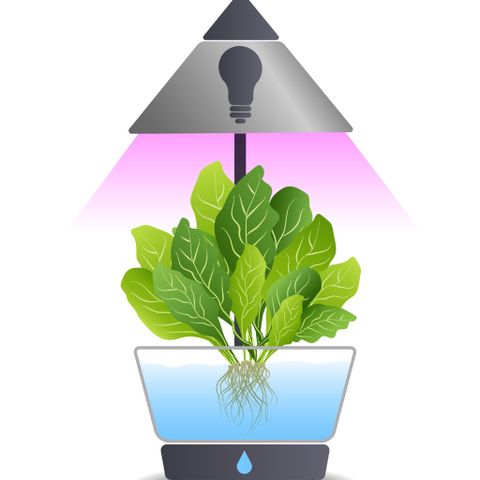
AI is already adjusting nutrient levels, monitoring plant health via computer vision, and optimizing lighting schedules. Here's what that means for your career and what to do about it.
AI won't replace hydroponic farmers, but it's already replacing manual monitoring and data logging. Growers now spend less time checking pH meters and more time interpreting system-wide crop performance. Hands-on plant care, business judgment, and troubleshooting failures remain irreplaceable.
TASK LEVEL RISK
Most of the work stays human. AI assists at the edges.
AI is handling specific tasks. The core role is intact but shifting.
AI is automating significant portions of the work. Adaptation is essential.
 Higher risk
pH monitoring, nutrient dosing calculations, climate control adjustments, yield forecasting, inventory tracking, harvest scheduling, lighting optimization
Lower risk
diagnosing plant disease in person, pruning and transplanting, equipment repairs, buyer relationships, new crop trials, food safety inspections
Hydroponic farming demands physical intervention with living plants, real-time troubleshooting of system failures, and business decisions AI cannot own or execute.
WHAT YOU SHOULD DO
Skills to build for the AI era
New skills - Adapt to the AI landscape
 New skills - Adapt to the AI landscape
Learn platforms like Priva, Autogrow, or iUNU to interpret computer vision alerts and automated environmental data faster.
Use dashboards and predictive models to correlate lighting, nutrients, and climate variables with harvest weight and quality.
Track energy use per kilogram of produce and integrate solar or LED efficiency data to reduce costs.
Configure sensors, controllers, and cloud platforms so automated dosing, climate, and lighting systems communicate reliably across facilities.
Timeless skills - What AI can't replicate
 Timeless skills - What AI can't replicate
Reading plant stress by leaf color, turgor, and root health remains a diagnostic skill no sensor replaces.
Building trust with chefs, grocers, and consumers requires consistent quality, personal delivery, and negotiation AI cannot authentically perform.
Diagnosing pump failures, clogged emitters, or pathogen outbreaks demands physical presence and creative problem solving under pressure.
THE FULL PICTURE
What AI can do, what it can't, and where the career is headed
What AI can already do
- Monitor pH, EC, and dissolved oxygen continuously
- Detect early disease signs through computer vision
- Adjust LED lighting spectrums based on crop stage
- Forecast harvest yields from historical growth data
- Automate nutrient dosing and irrigation cycles
- Generate production reports for buyers and investors
What AI can't do
- Physically transplant seedlings or repair a leaking system at 2am.
- Build trust with restaurant chefs and grocery buyers over years.
- Decide which new crop varieties fit your market and margins.
- Recover from an unexpected power failure or pathogen outbreak.
- These are the core contributions of Hydroponic Farmers, and they remain entirely human.
Hydroponic farmers who embrace AI monitoring tools while sharpening their horticultural instincts will run more profitable and resilient operations.
Do you have the right strengths for this career?
Our test measures your personality and strengths — and shows how you match with 1600+ careers.
Job outlook
BLS projects agricultural workers overall to see little change, but controlled environment agriculture is expanding faster with roughly 5-8% growth through 2034. Demand is strongest near urban centers and in regions with limited arable land. Farmers specializing in leafy greens, herbs, and vertical farming operations have the best prospects.