What is a Mobile DJ?
A mobile DJ provides music and entertainment at events by bringing sound equipment, music libraries, and performance skills directly to the venue. This role focuses on creating an enjoyable atmosphere that matches the mood of each occasion, whether it is a wedding, school dance, party, or corporate event. By reading the crowd and adjusting music choices in real time, a mobile DJ helps keep guests engaged and the event running smoothly. The work plays an important part in social gatherings, as music often shapes how people connect, celebrate, and remember the experience.
Mobile DJs are commonly found in the event and entertainment industry, working at private functions, hospitality venues, community events, and nightlife settings. They may work independently, for event companies, or alongside planners and venues. Success in this field depends on strong communication, basic technical knowledge of audio equipment, time management, and the ability to stay organized under pressure. Creativity and a good sense of audience preferences are also important, as DJs need to select music that fits different age groups, cultures, and event styles.
What does a Mobile DJ do?
Duties and Responsibilities
Mobile DJs handle a mix of technical, creative, and customer service responsibilities to deliver smooth and enjoyable events.
- Event Planning: Mobile DJs communicate with clients before each event to understand music preferences, schedules, and special requests. This planning often includes coordinating with event planners or venue staff to confirm timelines, equipment needs, and setup details.
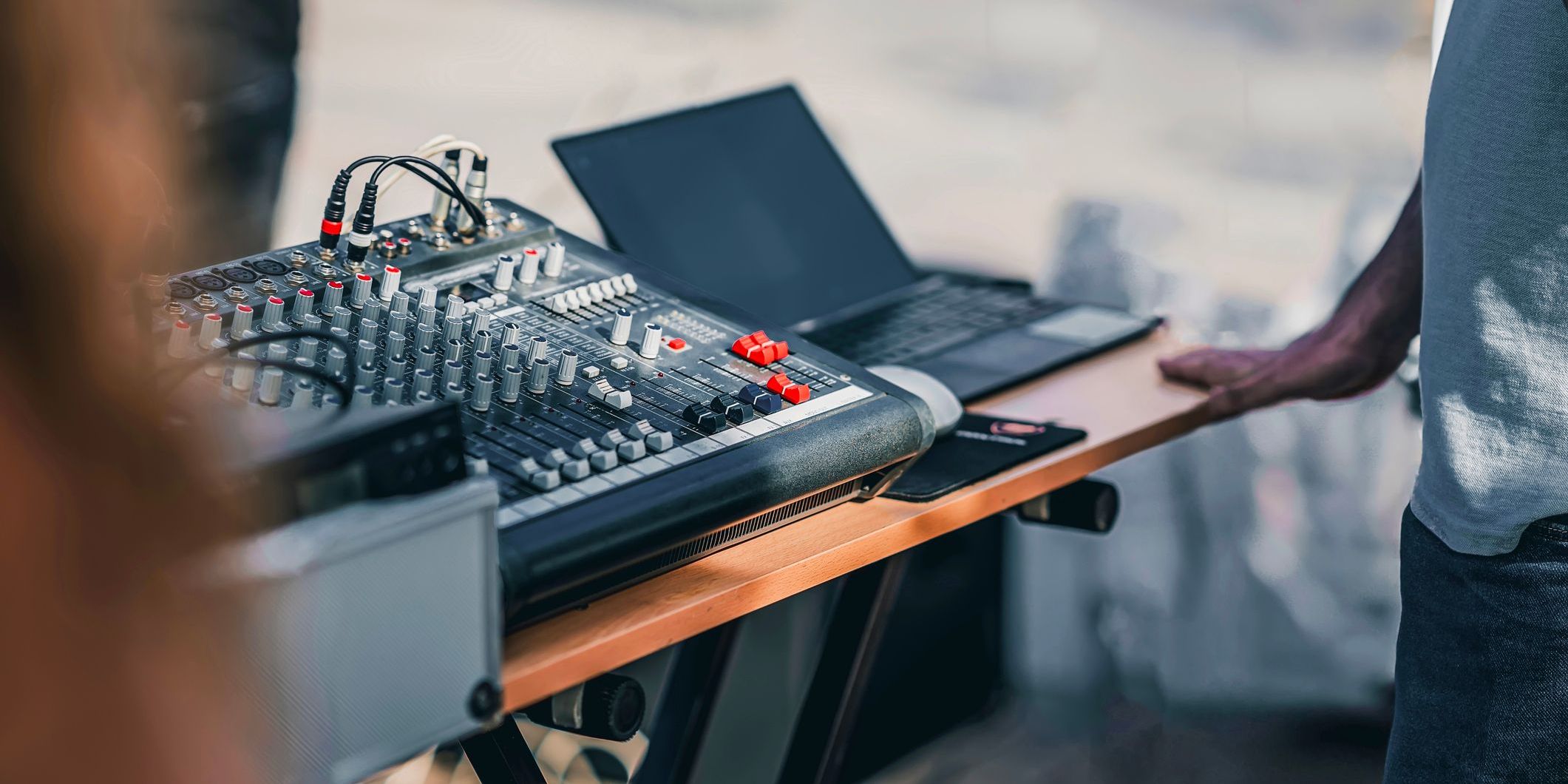
- Equipment Setup and Testing: Mobile DJs transport, set up, and test sound systems, speakers, mixers, microphones, and lighting equipment. This step ensures that all gear works properly and meets safety standards before guests arrive.
- Music Selection and Mixing: Mobile DJs choose and mix music using digital software such as Serato DJ, Virtual DJ, or Rekordbox, along with controllers or turntables. They adjust playlists in real time based on crowd response, which requires both technical skill and awareness of audience preferences.
- Event Hosting and Announcements: Mobile DJs often act as emcees by making announcements and guiding the flow of the event. This responsibility helps keep the schedule on track, especially during weddings, school dances, and corporate functions.
- Equipment Maintenance and Updates: Mobile DJs regularly maintain and update their equipment and music libraries. This includes organizing digital tracks, updating software, and ensuring compliance with local licensing requirements for music use, such as those outlined by organizations like SOCAN in Canada.
- Business Management: Many mobile DJs operate as independent contractors and handle scheduling, contracts, and payments. They must meet booking deadlines, manage invoices, and maintain clear communication with clients and collaborators.
- Professional Development: Mobile DJs stay current with music trends, audio technology, and performance techniques. This may involve following industry associations, attending workshops, or learning new software features to improve their services.
Types of Mobile DJs
There are several well-known types of mobile DJs, each focusing on different event settings and audiences.
- Club and Party DJ: A club and party DJ performs at nightlife venues or private parties with a focus on high energy music. This type stands out for strong mixing skills and the ability to keep a dance floor active for long periods.
- Radio DJ: A radio DJ plays music and hosts shows on broadcast or online radio stations. This type focuses more on presenting music, speaking on air, and connecting with listeners rather than live event performance.
- Wedding DJ: Wedding DJs provide music and coordination for ceremonies and receptions. They focus on timing, formal announcements, and creating a smooth flow between key moments like the first dance and speeches.
- Corporate Event DJ: A corporate event DJ performs at business functions such as conferences, holiday parties, and product launches. This role emphasizes professionalism and adapting music choices to suit brand image and diverse audiences.
- School Event DJ: A school event DJ works at dances, proms, and student activities. This role requires awareness of age-appropriate music guidelines and school policies, along with the ability to engage younger audiences.
Mobile DJs have distinct personalities. Think you might match up? Take the free career test to find out if mobile DJ is one of your top career matches. Take the free test now Learn more about the career test
What is the workplace of a Mobile DJ like?
A mobile DJ works in a wide range of event spaces rather than a single fixed location. Common workplaces include wedding venues, banquet halls, schools, community centers, and private homes. The setup often includes speakers, a mixing controller or turntables, a laptop with DJ software, microphones, and lighting equipment. The environment can change from one event to the next, so the workspace may be a formal ballroom one day and an outdoor event space the next. This variety means the DJ must be comfortable setting up and working in different conditions.
Some parts of the job can be done remotely or from a home workspace. Mobile DJs often plan events, organize music libraries, and communicate with clients using email, phone, or video calls. Software such as Serato DJ, Rekordbox, or Virtual DJ is used to prepare playlists and manage music files in advance. Booking calendars, contracts, and invoices are often handled through digital tools, especially for those who run their own business. This flexible setup allows for a mix of independent work and client interaction before the event takes place.
Daily work depends on the event schedule, but it usually includes travel, setup, performance, and pack up. Mobile DJs often work closely with clients, event planners, venue staff, and sometimes photographers or caterers to keep the event running smoothly. The atmosphere can be busy and fast paced, especially during live events when timing and coordination matter. Even with the pressure, the work is social and interactive, with a strong focus on creating a positive experience for guests.
Mobile DJs are also known as:
Mobile Disc Jockey