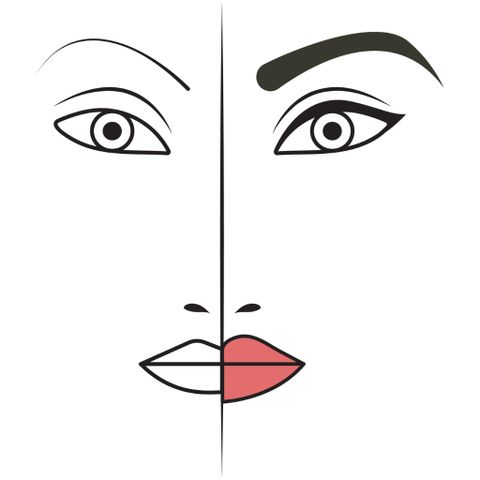
AI is already helping with client consultations, color matching, and appointment scheduling. Here's what that means for your career and what to do about it.
AI won't replace permanent makeup artists, but it's changing how you plan and market your work. Digital simulation tools now let clients preview results before committing to a procedure. Precision, artistry, and client trust remain irreplaceable.
TASK LEVEL RISK
Most of the work stays human. AI assists at the edges.
AI is handling specific tasks. The core role is intact but shifting.
AI is automating significant portions of the work. Adaptation is essential.
 Higher risk
appointment scheduling, client intake forms, color palette suggestions, aftercare instruction templates, marketing content creation
Lower risk
pigment application, facial analysis, needle work, skin assessment, client counseling, correcting asymmetry, managing client anxiety
Permanent makeup demands steady hands, real-time facial reading, and accountability for a procedure that permanently alters a client's appearance.
WHAT YOU SHOULD DO
Skills to build for the AI era
New skills - Adapt to the AI landscape
 New skills - Adapt to the AI landscape
Use apps like PhiBrows Artist and InkMatch to simulate results, plan symmetry, and preview outcomes for clients.
Apply AI-powered color-matching platforms to select pigments accurately based on undertone, Fitzpatrick scale, and healing predictions.
Leverage AI content tools for portfolio posts, reels, and client testimonials to grow bookings without daily manual marketing.
Learn scar camouflage, areola restoration, and scalp micropigmentation to serve growing medical and reconstructive client markets.
Timeless skills - What AI can't replicate
 Timeless skills - What AI can't replicate
Consistent needle depth, pressure, and stroke control that AI and machines simply cannot replicate on living, moving skin.
Reading emotions, easing anxiety, and guiding permanent decisions through genuine human rapport during vulnerable cosmetic procedures.
Interpreting bone structure, expression, and personal style to design features that suit each unique client authentically.
THE FULL PICTURE
What AI can do, what it can't, and where the career is headed
What AI can already do
- Simulate brow, lip, and eyeliner shapes on client photos
- Suggest pigment colors based on skin undertone analysis
- Automate booking, reminders, and consent form workflows
- Generate social media content and portfolio presentations
- Analyze face symmetry to guide mapping decisions
- Translate aftercare instructions for diverse clients
What AI can't do
- AI cannot physically implant pigment into skin with consistent depth and pressure.
- AI cannot read subtle facial expressions signaling client discomfort or hesitation.
- AI cannot adjust technique in real time based on skin behavior and bleeding patterns.
- AI cannot build the personal trust required for permanent facial procedures.
- These are the irreplaceable contributions of Permanent Makeup Artists, and they remain entirely human.
Permanent makeup artistry will thrive alongside AI tools that enhance consultation and design, while the actual craft remains firmly in human hands.
Do you have the right strengths for this career?
Our test measures your personality and strengths — and shows how you match with 1600+ careers.
Job outlook
BLS projects employment for skincare specialists, which includes permanent makeup artists, to grow 9% from 2024 to 2034, faster than average. Demand is strongest in urban markets and medical spa settings. Artists specializing in scalp micropigmentation and paramedical tattooing have the best prospects.