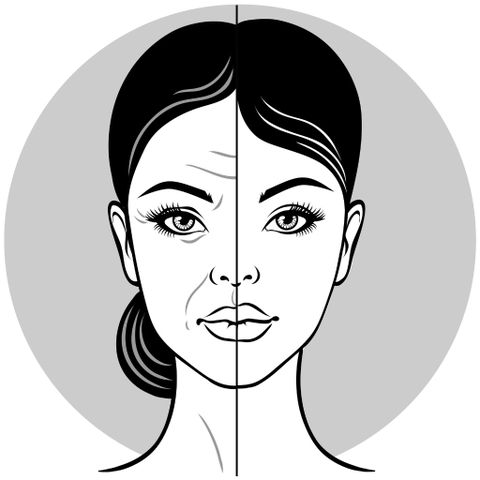
AI is already assisting with surgical planning, simulating cosmetic outcomes, and analyzing pre-operative imaging. Here's what that means for your career and what to do about it.
AI won't replace plastic surgeons, but it's already changing how consultations, planning, and documentation happen. Patients now arrive with AI-generated preview images and higher expectations for personalized outcomes. Manual dexterity, aesthetic judgment, and patient trust remain irreplaceable.
TASK LEVEL RISK
Most of the work stays human. AI assists at the edges.
AI is handling specific tasks. The core role is intact but shifting.
AI is automating significant portions of the work. Adaptation is essential.
 Higher risk
Pre-operative imaging analysis, cosmetic outcome simulation, appointment scheduling, insurance documentation, treatment note transcription, follow-up reminders, marketing content creation
Lower risk
Performing surgical procedures, consulting patients on realistic expectations, handling intraoperative complications, aesthetic judgment during surgery, managing emotional patient conversations, post-op physical exams
Plastic surgery requires physical precision, ethical judgment about patient goals, and accountability for irreversible outcomes that AI cannot assume or replicate.
WHAT YOU SHOULD DO
Skills to build for the AI era
New skills - Adapt to the AI landscape
 New skills - Adapt to the AI landscape
Using platforms like Crisalix and Vectra 3D to simulate outcomes and plan patient-specific procedures.
Operating robotic platforms for microsurgery and reconstruction, integrating haptic feedback with AI-driven precision guidance during procedures.
Reading volumetric scans and photogrammetry outputs to plan implants, flaps, and facial procedures with millimeter accuracy.
Managing AI-assisted consultations, virtual previews, and social media to build informed relationships and manage cosmetic expectations.
Timeless skills - What AI can't replicate
 Timeless skills - What AI can't replicate
The refined hand-eye coordination and tissue-handling instincts developed through thousands of hours of operative practice.
Understanding proportion, symmetry, and cultural beauty norms to design outcomes that match each patient's identity and goals.
Establishing rapport, screening motivations, and setting realistic expectations before performing permanent, life-changing procedures on human bodies.
THE FULL PICTURE
What AI can do, what it can't, and where the career is headed
What AI can already do
- Simulate post-surgical appearance from patient photos
- Analyze CT and MRI scans for surgical planning
- Draft operative reports from voice dictation
- Screen patient inquiries and route consultations
- Generate personalized recovery instructions
- Flag high-risk cases based on medical history
What AI can't do
- AI cannot physically perform delicate reconstructive or cosmetic procedures on human tissue.
- AI cannot make ethical judgments about which patients are psychologically ready for surgery.
- AI cannot respond in real time to unexpected bleeding or anatomical variations during operations.
- AI cannot build the trust patients need before consenting to permanent body changes.
- These are the irreplaceable contributions of Plastic Surgeons, and they remain entirely human.
Plastic surgeons who adopt AI planning tools and robotic assistance will deliver more precise, personalized outcomes while preserving the human trust their work requires.
Do you have the right strengths for this career?
Our test measures your personality and strengths — and shows how you match with 1600+ careers.
Job outlook
The BLS projects surgeon employment to grow about 3 percent from 2024 to 2034, roughly average for all occupations. Demand is strongest in metropolitan areas and aging populations seeking reconstructive and cosmetic work. Surgeons specializing in microsurgery, gender-affirming care, and post-oncologic reconstruction have the strongest prospects.