
What is a Process Engineer?
A process engineer designs, evaluates, and improves the processes used to manufacture products. They examine how equipment, materials, and production methods work together and identify ways to make operations safer, more efficient, and more reliable. Process engineers work in industries such as food production, pharmaceuticals, chemicals, electronics, and energy. Their goal is to improve product quality, reduce waste, and ensure that manufacturing processes run smoothly.
Much of a process engineer's work involves identifying production problems, analyzing data, testing improvements, and working with other engineers and technicians to implement solutions. They might investigate equipment issues, determine the cause of product defects, or develop more efficient manufacturing methods. This career may appeal to people who enjoy problem-solving, understanding how systems work, and finding practical ways to improve them. Those who appreciate a combination of technical analysis, teamwork, and hands-on work may find process engineering particularly rewarding.
What does a Process Engineer do?
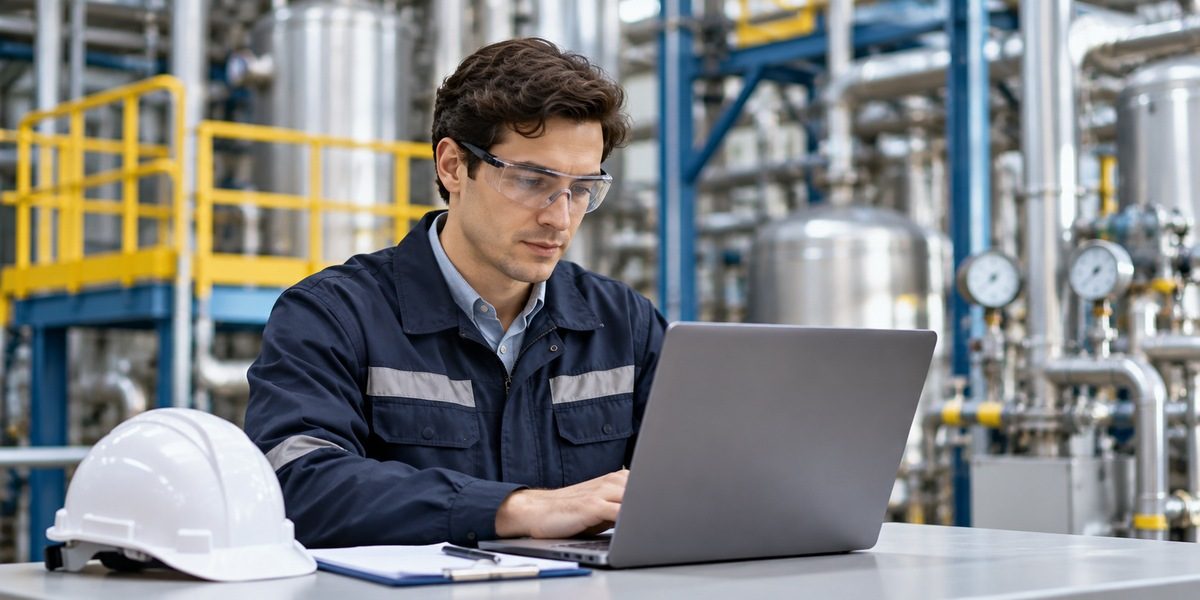
Duties and Responsibilities
The duties and responsibilities of a process engineer can vary depending on the industry, type of manufacturing, and products being made. However, most process engineers focus on improving production methods, solving technical problems, maintaining product quality, and ensuring that manufacturing operations run safely and efficiently.
- Process Design and Development: Process engineers design and develop manufacturing processes that turn raw materials into finished products. They determine the equipment, materials, and production steps needed to achieve consistent results.
- Process Improvement: They evaluate existing production methods to identify opportunities to improve efficiency, reduce costs, and minimize waste. This may involve adjusting equipment settings, changing workflows, or introducing new technologies.
- Troubleshooting and Problem-Solving: Process engineers investigate production issues such as equipment failures, product defects, and unexpected delays. They identify the underlying causes and develop solutions to prevent problems from happening again.
- Quality Control and Testing: They monitor manufacturing processes and conduct tests to ensure products meet established quality and performance standards. They work with quality assurance teams to address defects and maintain consistent production results.
- Data Collection and Analysis: Process engineers collect and analyze production data to evaluate equipment performance, material usage, and process efficiency. They use this information to identify trends, measure results, and recommend improvements.
- Equipment Selection and Optimization: They help select, evaluate, and improve machinery and equipment used in manufacturing. They work with technicians and maintenance teams to ensure equipment operates safely and efficiently.
- Safety and Regulatory Compliance: Process engineers help ensure manufacturing processes follow workplace safety requirements, environmental regulations, and industry standards. They identify potential hazards, recommend changes to reduce risks, and document important operating procedures.
Types of Process Engineers
Process engineers work in a variety of industries, and their areas of specialization often depend on the materials, products, and manufacturing methods involved. While their overall goal is to improve production processes, different types of process engineers focus on specific technologies, equipment, and industry requirements.
- Chemical Process Engineer: Chemical process engineers develop and improve processes used to manufacture chemicals, fuels, plastics, and other products. They work with chemical reactions, processing equipment, and production systems to improve efficiency, safety, and product quality.
- Manufacturing Process Engineer: Manufacturing process engineers focus on improving how products are made in factories and production facilities. They evaluate equipment, production methods, and workflows to reduce waste, prevent defects, and improve productivity.
- Pharmaceutical Process Engineer: Pharmaceutical process engineers develop and improve manufacturing processes used to produce medications and other pharmaceutical products. They work to ensure production methods are reliable, consistent, and compliant with strict quality and safety requirements.
- Food Process Engineer: Food process engineers design and improve the systems used to process, preserve, and package food products. They focus on production efficiency, food safety, equipment performance, and maintaining consistent product quality.
- Semiconductor Process Engineer: Semiconductor process engineers develop and refine the manufacturing steps used to produce microchips and other electronic components. They work with processes such as deposition, etching, and lithography to improve product performance and reduce manufacturing defects.
- Bioprocess Engineer: Bioprocess engineers develop and improve processes that use living cells, microorganisms, or biological materials to produce useful products. They commonly work in biotechnology, pharmaceuticals, and industrial fermentation, focusing on production efficiency and process control.
Process engineers have distinct personalities. Think you might match up? Take the free career test to find out if process engineer is one of your top career matches. Take the free test now Learn more about the career test
What is the workplace of a Process Engineer like?
Process engineers work in a variety of settings, depending on the industry and the products being manufactured. Many work in factories, manufacturing plants, chemical processing facilities, pharmaceutical companies, and other production environments. Their workplace often includes a combination of office space and production areas, allowing them to analyze data, plan improvements, and observe manufacturing processes firsthand. Some also work in research laboratories or engineering consulting firms, where they help develop new processes or improve existing ones.
A typical workday may involve reviewing production reports, inspecting equipment, meeting with technicians, and investigating problems on the production floor. Process engineers often work closely with machine operators, maintenance teams, quality control specialists, and other engineers to keep operations running smoothly. Depending on the facility, they may need to wear protective equipment such as safety glasses, hard hats, or protective clothing when working around machinery, chemicals, or other industrial equipment.
Most process engineers work full-time, usually during regular business hours, although schedules can vary depending on the industry and production demands. Engineers working in facilities that operate around the clock may occasionally work evenings, weekends, or be on call to address unexpected problems. The job offers a mix of independent technical work and teamwork, with opportunities to move between a desk, laboratory, and production floor throughout the day.