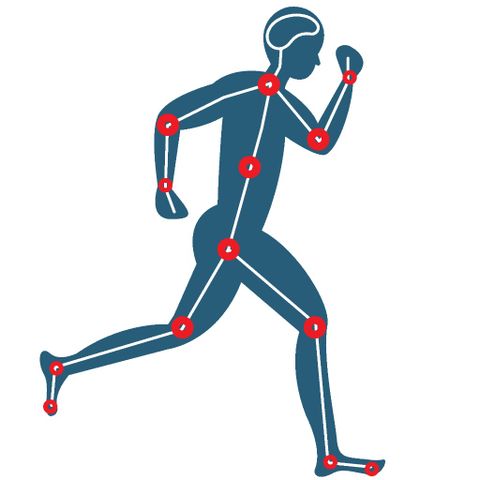
AI is already analyzing movement patterns, predicting injury risk, and generating rehab program templates. Here's what that means for your career and what to do about it.
AI won't replace sports physiotherapists, but it's already replacing some of the documentation and assessment work you do. Motion capture apps and injury prediction models are becoming standard in professional sports. Manual therapy, clinical reasoning, and athlete trust remain irreplaceable.
TASK LEVEL RISK
Most of the work stays human. AI assists at the edges.
AI is handling specific tasks. The core role is intact but shifting.
AI is automating significant portions of the work. Adaptation is essential.
 Higher risk
Range-of-motion measurement, session note documentation, standard exercise prescription, injury risk screening, workload monitoring, progress charting
Lower risk
Manual therapy, joint mobilization, pitchside injury assessment, return-to-play decisions, athlete counseling, complex diagnosis, hands-on rehabilitation
Sports physiotherapy depends on skilled touch, real-time clinical judgment during play, and trusted relationships with athletes that AI cannot replicate.
WHAT YOU SHOULD DO
Skills to build for the AI era
New skills - Adapt to the AI landscape
 New skills - Adapt to the AI landscape
Reading data from GPS trackers, force plates, and IMUs using platforms like Catapult and Kinexon to guide return-to-play decisions.
Using computer vision tools like Kinetisense or DARI Motion to identify asymmetries and movement dysfunction that traditional screening misses.
Running effective remote rehab sessions through platforms like Physitrack, combining video coaching with app-based exercise monitoring and feedback.
Interpreting acute-to-chronic workload ratios and machine learning injury predictions to adjust training and prevent overuse injuries proactively.
Timeless skills - What AI can't replicate
 Timeless skills - What AI can't replicate
Skilled hands-on techniques including joint mobilization, soft tissue work, and dry needling that no machine or algorithm can replicate.
Making rapid, high-stakes decisions during competition with incomplete information, balancing athlete safety against performance and career pressures.
Earning trust through empathy and consistency, essential when guiding athletes through injury setbacks, surgery decisions, and psychological recovery.
THE FULL PICTURE
What AI can do, what it can't, and where the career is headed
What AI can already do
- Analyze biomechanics data from wearable sensors
- Predict injury risk from training load metrics
- Generate personalized exercise program templates
- Transcribe and summarize treatment session notes
- Track recovery progress across multiple athletes
- Flag movement asymmetries from video analysis
What AI can't do
- Perform manual therapy techniques like joint mobilization or soft tissue work.
- Make pitchside return-to-play decisions under pressure with incomplete information.
- Build trust with an injured athlete facing career-defining moments.
- Apply hands-on palpation to detect subtle tissue changes and pain responses.
- These are the core contributions of Sports Physiotherapists, and they remain entirely human.
Sports physiotherapists who combine hands-on expertise with fluency in AI-driven performance data will lead the next decade of athlete care.
Do you have the right strengths for this career?
Our test measures your personality and strengths — and shows how you match with 1600+ careers.
Job outlook
The BLS projects physical therapist employment to grow 14 percent from 2024 to 2034, much faster than average. Demand is strongest in outpatient orthopedic and sports medicine clinics serving active populations. Specialists with sports certification, dry needling, or manual therapy expertise have the best prospects.