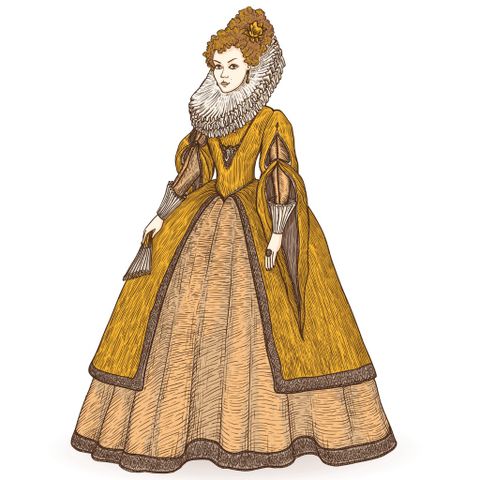
AI is already generating costume sketches, researching historical references, and creating mood boards. Here's what that means for your career and what to do about it.
AI won't replace theater costume designers, but it's already replacing some of the research and preliminary sketching work designers do. Directors and producers still hire humans for the collaborative vision and hands-on craft. Taste, storytelling, and physical fitting sessions remain irreplaceable.
TASK LEVEL RISK
Most of the work stays human. AI assists at the edges.
AI is handling specific tasks. The core role is intact but shifting.
AI is automating significant portions of the work. Adaptation is essential.
 Higher risk
historical period research, mood board creation, initial concept sketches, fabric sourcing searches, budget spreadsheets, reference image compilation
Lower risk
actor fittings, director collaboration, hand-sewing and draping, fabric selection by touch, dress rehearsal adjustments, character interpretation
Costume design depends on physical fittings, collaborative interpretation with directors and actors, and tactile craft judgment that AI cannot replicate.
WHAT YOU SHOULD DO
Skills to build for the AI era
New skills - Adapt to the AI landscape
 New skills - Adapt to the AI landscape
Use Midjourney and DALL-E to rapidly generate concept variations and period references for director conversations and early design pitches.
Master CLO3D or Browzwear to simulate drape and fit digitally, reducing muslin iterations and enabling remote design approvals.
Combine Procreate and Photoshop with AI tools to produce polished presentation renderings faster than traditional watercolor techniques allow.
Navigate deadstock marketplaces, rental libraries, and eco-certified suppliers to meet growing producer demand for environmentally responsible productions.
Timeless skills - What AI can't replicate
 Timeless skills - What AI can't replicate
Translate abstract directorial vision into concrete costume choices through active listening, rehearsal observation, and iterative visual dialogue.
Read an actor's body, movement, and comfort during fittings to make real-time adjustments that support performance and character embodiment.
Analyze scripts to develop costume choices that reveal psychology, social status, and dramatic arc across every scene and transition.
THE FULL PICTURE
What AI can do, what it can't, and where the career is headed
What AI can already do
- Generate historical period reference boards instantly
- Produce dozens of concept sketch variations
- Summarize scripts and flag costume changes
- Estimate fabric yardage and budget projections
- Suggest color palettes matched to lighting design
- Draft costume plot spreadsheets across scenes
What AI can't do
- AI cannot fit a costume to a live actor's body and movement.
- AI cannot interpret a director's vision through nuanced conversation and rehearsal observation.
- AI cannot judge fabric drape, weight, and texture through touch.
- AI cannot solve backstage quick-change problems during technical rehearsals.
- These are the irreplaceable contributions of Theater Costume Designers, and they remain entirely human.
Theater costume designers who embrace AI for research and rendering while doubling down on craft and collaboration will thrive.
Do you have the right strengths for this career?
Our test measures your personality and strengths — and shows how you match with 1600+ careers.
Job outlook
The BLS projects fashion designers, including costume designers, will see roughly 3 percent employment growth from 2024 to 2034. Demand is strongest in major theater hubs like New York, Chicago, and regional repertory cities. Designers with digital rendering skills and cross-media experience have the best prospects.