What is a Turntablist?
Turntablists use vinyl records and DJ mixers to create new beats, sound effects, and music in real time. They take existing recordings and turn them into something fresh and energetic, often performing live for crowds. It’s a creative skill that treats the turntable like a musical instrument, bringing rhythm and personality into every performance.
They’re often found in hip hop and electronic music scenes, performing at clubs, festivals, concerts, radio stations, and competitions. This career is a great fit for someone who is highly creative, has a strong sense of rhythm, and enjoys experimenting with sound and music. Turntablists might also work in studios or community events, sometimes performing solo or alongside other musicians. The role takes a lot of practice and creativity, especially skills like scratching, beat juggling, and having a strong sense of rhythm and timing.
What does a Turntablist do?
Duties and Responsibilities
Turntablists handle a mix of creative performance tasks and behind-the-scenes prep to deliver exciting live music experiences.
- Music Selection: Turntablists pick vinyl records or digital tracks that fit the event's vibe and crowd. This step ensures the beats and sounds match what people want to hear, keeping energy high.
- Equipment Setup: They connect turntables, mixers, and headphones, then test everything for clear sound. Proper setup prevents glitches during shows and meets tight event schedules.
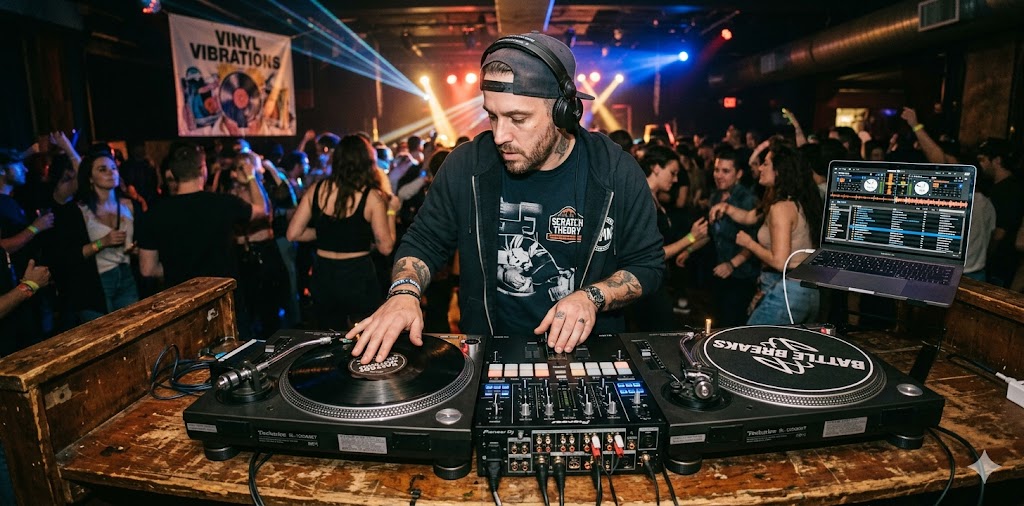
- Scratching and Mixing: Turntablists manipulate records by hand to create scratches, beats, and effects using crossfaders on the mixer. These skills turn simple playback into unique rhythms that wow audiences.
- Live Performance: They perform solo or jam with rappers, bands, or other DJs at gigs like club nights. Timing stays sharp to sync with collaborators and hit event deadlines.
- Practice and Skill Building: Turntablists spend hours daily honing techniques like beat juggling on setups such as direct-drive turntables. Regular practice helps them stay sharp on trends and compete in battles.
- Event Coordination: They chat with promoters or sound crews to plan sets and follow venue rules on volume or timing. This teamwork keeps shows smooth and professional.
Types of Turntablists
Turntablists branch into several specialties, each with its own spin on using turntables as instruments.
- Battle Turntablist: Battle turntablists compete in scratch contests judged on speed and creativity. Battles, like those from the DMC World DJ Championships, focus on outshining rivals with complex routines.
- Hip-Hop Turntablist: Hip-hop turntablists provide beats and cuts for rappers during live sets or recordings. The main aim is layering scratches to boost rap flows in hip-hop shows.
- Club Turntablist: Club turntablists mix for dance crowds at nightclubs or parties. Energy comes from blending tracks seamlessly to pack dance floors all night.
- Radio Turntablist: Radio turntablists spin and scratch on air for stations or online streams. The focus stays on engaging listeners with fresh mixes during scheduled broadcasts.
- Producer Turntablist: Producer turntablists craft original tracks using software like digital audio workstations alongside turntables. Their edge lies in releasing beats for others to use.
- Festival Turntablist: Festival turntablists perform at big outdoor events with huge sound systems for thousands. What sets it apart is adapting sets to massive crowds and varying weather.
Turntablists have distinct personalities. Think you might match up? Take the free career test to find out if turntablist is one of your top career matches. Take the free test now Learn more about the career test
What is the workplace of a Turntablist like?
The workplace of a turntablist is usually dynamic, loud, and performance-focused rather than a traditional office setting. Many turntablists spend their time in music venues where they perform live for audiences, often in clubs, bars, or at festivals. Their “workplace” can change from night to night depending on gigs and events.
They also spend a lot of time in studios or home setups where they practice and create new mixes. This is where they refine their skills, experiment with sounds, and prepare sets for live performances. The environment is often filled with music equipment like turntables, mixers, speakers, and digital audio tools.
In addition to performing and practicing, turntablists may work in radio stations, recording studios, or at music competitions. These settings can be fast-paced and collaborative, especially when working with other DJs, producers, or artists. The work often involves irregular hours, including nights and weekends, especially when performing at live events.
Turntablists are also known as:
Vinyl DJ
Scratch DJ