In this article:
What is a Health Science Education Degree?
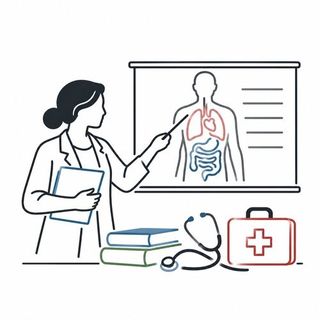
A health science education degree focuses on preparing people to teach healthcare-related subjects and practical skills. Students learn how to teach topics such as patient care, medical terminology, anatomy, health and safety, and basic healthcare procedures. They also learn how to plan lessons, demonstrate hands-on skills, and create safe learning environments where students can practice what they’ve learned.
This degree is a good fit for people who have a background in healthcare and enjoy helping others learn. It combines healthcare knowledge with teaching skills, preparing graduates to train students for careers in fields such as nursing assisting, medical assisting, dental assisting, and other healthcare occupations. Graduates may teach in high schools, vocational and technical schools, community colleges, and other healthcare training programs.
Program Options
Health science education programs are available through career and technical education, workforce education, and curriculum and instruction programs. Some focus on preparing people to teach healthcare-related subjects in schools and vocational programs, while others help experienced healthcare professionals develop their teaching skills.
- Master of Arts in Teaching (MAT) in Workforce Education with an Emphasis in Healthcare Science Education: Prepares people with healthcare experience to teach health science and related vocational subjects. Students learn how to plan lessons, teach hands-on skills, manage classrooms, and help learners prepare for healthcare careers.
- Master of Education (MEd) in Workforce Education: Provides advanced training for educators working in career and technical education, including those who teach healthcare occupations. Coursework may cover teaching methods, curriculum development, student assessment, and program improvement.
- Master of Education (MEd) in Curriculum and Instruction with an Emphasis in Health Science Education: Helps healthcare professionals become more effective teachers and trainers. Students learn how to develop courses, use teaching technology, assess learning, and create engaging educational experiences.
- Doctor of Education (EdD) in Professional Leadership with an Emphasis in Health Science Education: Prepares experienced healthcare educators for advanced leadership, teaching, and program development roles. Students study educational leadership, research, and ways to improve teaching and learning in healthcare settings.
- Health Science Education Teacher Certification Program: Provides a pathway for healthcare professionals who want to teach health science or vocational healthcare subjects. Depending on the state, candidates may complete teacher preparation coursework, supervised teaching, and other requirements for certification.
Skills You’ll Learn
A health science education degree teaches you how to share healthcare knowledge and practical skills with others. You’ll learn how to create engaging lessons, teach hands-on procedures, and help students build the confidence and skills they need for careers in healthcare.
- Teaching Healthcare Skills: Learn how to explain and demonstrate healthcare procedures in a way that students can easily understand. You’ll develop ways to help learners practice their skills and become more confident performing them.
- Lesson Planning: Learn how to create organized, engaging lessons that combine healthcare knowledge with practical activities. You’ll also learn how to adjust lessons for students with different backgrounds and levels of experience.
- Hands-On Training: Learn how to guide students through practical exercises, demonstrations, and simulated healthcare situations. You’ll help them connect what they learn in the classroom with what they may experience on the job.
- Health and Safety Practices: Learn how to teach proper hygiene, infection prevention, equipment handling, and workplace safety. You’ll also develop ways to encourage safe and responsible habits during practical training.
- Student Assessment: Learn how to evaluate students’ understanding of healthcare topics and their ability to perform practical skills. You’ll use tests, observations, demonstrations, and feedback to help students improve.
- Classroom and Lab Management: Learn how to keep classrooms, labs, and training spaces organized and safe. You’ll develop strategies for managing equipment, supervising activities, and keeping students involved in learning.
- Curriculum Development: Learn how to design courses and learning materials that reflect current healthcare practices and workplace expectations. You’ll also learn how to update lessons as healthcare technology, procedures, and standards change.
- Communication and Student Support: Build the communication skills needed to explain complex topics clearly and work with students from different backgrounds. You’ll learn how to encourage learners, answer questions, and create a supportive environment where students feel comfortable developing new skills.
What Can You Do with a Health Science Education Degree?
A health science education degree can lead to careers that combine healthcare knowledge with teaching and training. Graduates may work in high schools, vocational and technical schools, community colleges, healthcare facilities, and other settings that prepare people for careers in healthcare.
- Nurse Educator: Teach nursing students and healthcare professionals through classroom instruction, hands-on training, and clinical practice. Nurse educators help learners develop the knowledge, practical skills, and confidence needed to provide safe, effective patient care.
- Health Science Teacher: Teach healthcare-related subjects such as anatomy, medical terminology, patient care, and health and safety. Teachers help students develop the knowledge and practical skills needed for healthcare careers.
- Career and Technical Education Teacher: Teach career-focused healthcare courses in high schools, vocational schools, or technical education programs. Teachers combine classroom lessons with hands-on activities that prepare students for further training or entry-level healthcare jobs.
- Healthcare Training Instructor: Train students or employees in healthcare procedures, safety practices, and workplace skills. Instructors may work in hospitals, clinics, vocational schools, or other healthcare training programs.
- Health Education Program Coordinator: Help organize and manage programs that teach healthcare-related subjects and practical skills. Coordinators may develop courses, support instructors, arrange training activities, and make sure programs meet educational and industry requirements.
- Healthcare Curriculum Developer: Create lessons, training materials, and educational programs for healthcare students and professionals. Curriculum developers work to make complex medical information easier to understand and connect classroom learning with real-world healthcare practices.