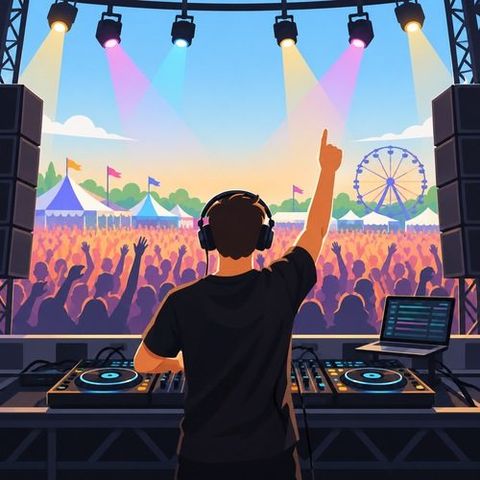
What is a Festival DJ?
A festival DJ performs live music sets at large events such as music festivals, concerts, and outdoor gatherings, using DJ equipment to mix and play tracks for a crowd. The focus is on creating a fun, high-energy atmosphere by choosing songs that match the mood of the audience and the style of the event. Festival DJs often perform on big stages with professional sound and lighting systems, where timing, crowd awareness, and smooth music flow help keep people engaged and dancing. Their work plays a big role in shaping the overall festival experience and bringing people together through music.
This career is most common in the music and entertainment industries, especially within electronic dance music, pop, and hip-hop scenes. Festival DJs usually work at outdoor venues, arenas, or large event spaces, and may travel frequently during busy festival seasons. This path suits someone who enjoys music, has a good ear for sound, and likes performing in front of crowds. Being comfortable with DJ equipment and software, staying creative, and building connections in the industry also help create opportunities and long-term success.
What does a Festival DJ do?
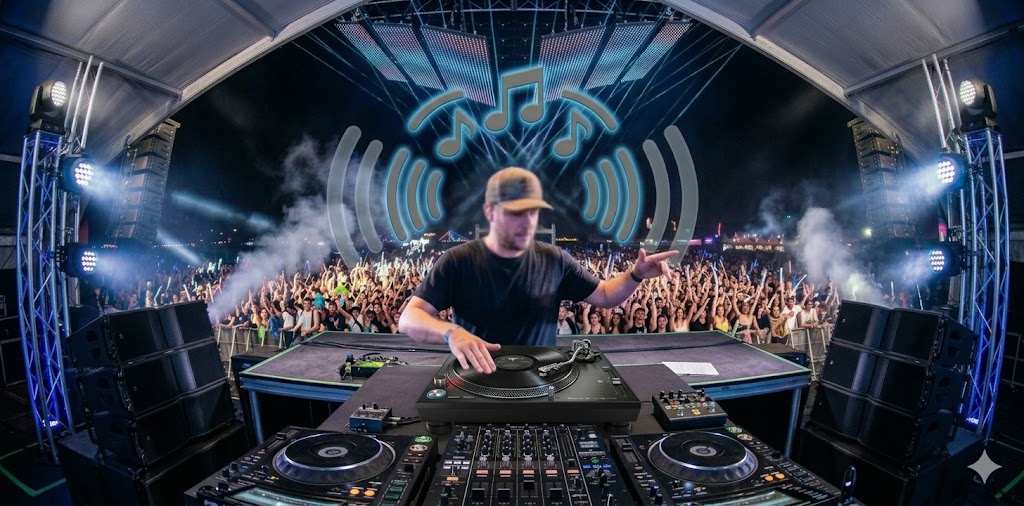
Duties and Responsibilities
Festival DJs handle a mix of creative, technical, and collaborative responsibilities to deliver strong live performances and keep large audiences engaged.
- Music Selection and Set Planning: Choosing tracks and building a set that fits the event and audience. This often involves organizing playlists in software such as Serato DJ, Rekordbox, or Traktor, while considering set times and stage schedules.
- Live Mixing and Performance: Mixing music live using equipment such as CDJs, turntables, mixers, and controllers. Smooth transitions, beatmatching, and timing help maintain energy and respond to the crowd in real time.
- Equipment Setup and Soundcheck: Setting up and testing equipment with sound technicians before a performance. This ensures audio levels, connections, and monitoring systems meet professional standards.
- Collaboration with Event Teams: Coordinating with stage managers, lighting crews, and other performers. Clear communication helps align set times, cues, and technical needs during tightly scheduled lineups.
- Audience Engagement: Reading the crowd and adjusting music to match the mood and energy. This may include using a microphone, interacting with visuals, or shifting genres to keep people involved.
- Music Research and Trend Awareness: Staying updated on new releases, genres, and audience preferences. Following charts, streaming platforms, and live performances helps keep sets fresh and relevant.
- Branding and Promotion: Building a professional identity through social media, streaming platforms, and recorded mixes. Consistent promotion and networking can lead to more bookings.
- Time Management and Travel Planning: Managing performance schedules, travel logistics, and preparation time. Meeting call times, adhering to contracts, and arriving early for setup support professional reliability.
Types of Festival DJs
Festival DJs can specialize in different styles and performance approaches depending on the type of events and audiences they serve.
- Turntablist: Uses turntables to manipulate sound through scratching and other techniques. The focus is on technical skill and live creativity as part of the performance.
- Producer DJ: Creates original music and performs it during festival sets. Unique tracks and remixes help build a recognizable sound and personal brand.
- Radio DJ and Stage Crossover DJ: Works both in broadcasting and live festival settings. The combination of on-air experience and live performance helps build a wider audience.
- Electronic Dance Music DJ: Performs genres such as house, techno, trance, or dubstep at large festivals. The focus is on high-energy sets and seamless mixing that keeps crowds dancing for long periods.
- Open Format DJ: Plays a wide range of genres within a single set. The main strength is flexibility and the ability to adapt quickly to diverse audiences.
Festival DJs have distinct personalities. Think you might match up? Take the free career test to find out if festival DJ is one of your top career matches. Take the free test now Learn more about the career test
What is the workplace of a Festival DJ like?
Festival DJs work in large event spaces such as outdoor festival grounds, concert stages, and music venues. These environments often include professional sound systems, lighting rigs, and large LED screens that support live performances. The DJ booth usually holds equipment like mixers, CDJs, controllers, and laptops, all set up by technical crews. Workspaces can be loud and crowded, with thousands of attendees, and conditions may change quickly depending on weather or event schedules.
Some parts of the job take place outside the festival setting. Festival DJs often prepare music, practice sets, and manage bookings from home studios or small workspaces. Laptops, DJ software such as Rekordbox or Serato, and streaming platforms are common tools used to organize music and plan performances. Communication with event organizers, agents, and collaborators often happens through email, messaging apps, and video calls, which allows for flexible planning between events.
Daily work varies depending on whether a performance is scheduled. On event days, time is spent traveling, checking in with stage managers, and completing soundchecks before going on stage. During performances, DJs focus on mixing music and responding to the crowd, while working closely with sound and lighting teams. The atmosphere is fast-paced and social, with many opportunities to meet other artists and industry professionals, but it also requires focus, preparation, and the ability to handle pressure in front of large audiences.
Festival DJs are also known as:
Headline DJ