What is a Gardener?
A gardener plans, plants, and maintains gardens or green spaces as a profession, caring for flowers, trees, shrubs, and sometimes vegetables or herbs. They combine practical skills with knowledge of horticulture, adjusting their techniques to the local climate, soil, and seasonal changes. Professional gardeners help make outdoor spaces not only attractive but also healthy and sustainable, often working in private gardens, parks, or commercial landscapes. Their day-to-day tasks can range from planting and pruning to soil management and pest control, making it a hands-on career that blends creativity, problem-solving, and a love of nature.
What does a Gardener do?
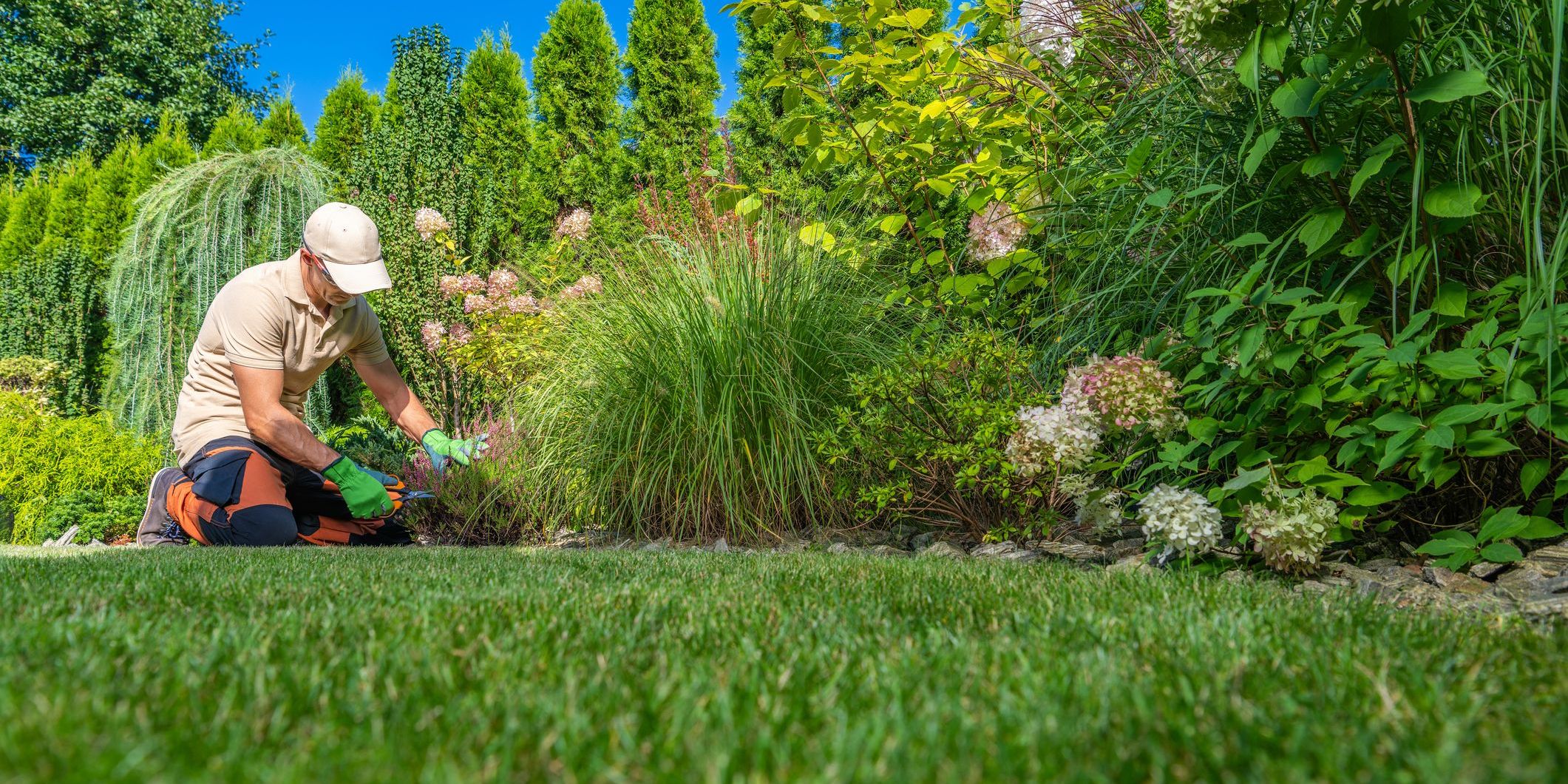
Duties and Responsibilities
A gardener’s work involves a variety of tasks focused on the care, maintenance, and improvement of gardens and green spaces:
- Plant Care and Maintenance: Planting flowers, shrubs, trees, vegetables, and herbs according to garden design or plan; watering, fertilizing, mulching, and pruning plants to promote healthy growth; weeding and removing invasive or unwanted plants; monitoring plant health and treating pests, diseases, or infestations.
- Garden and Landscape Management: Maintaining lawns, pathways, and other landscape features; managing composting and soil enrichment practices; installing and maintaining irrigation or watering systems; performing seasonal tasks such as planting bulbs, preparing gardens for winter, or replanting in spring.
- Design and Planning: Assisting with or implementing garden layouts and landscape designs; selecting appropriate plants for climate, soil, and aesthetic goals; propagating plants from seeds, cuttings, or bulbs.
- Safety and Environmental Care: Using gardening tools and equipment safely and efficiently; ensuring proper disposal of garden waste; promoting sustainable practices such as water conservation and organic gardening.
- Other Responsibilities: Maintaining records of plant care, garden work, and seasonal tasks; advising property owners, organizations, or clients on garden upkeep; occasionally supervising assistants or volunteers in larger projects.
Different Types of Gardeners
Gardeners often specialize in certain areas or types of gardens, requiring knowledge and specif skills tailored to the plants, environments, and goals of the space they manage:
- Landscape Gardeners focus on designing, creating, and maintaining large outdoor spaces such as parks, estates, or commercial landscapes.
- Horticultural Gardeners specialize in cultivating flowers, fruits, vegetables, and ornamental plants with advanced knowledge of plant biology.
- Botanical Garden Specialists work in botanical gardens, caring for rare, exotic, or research-focused plant collections.
- Private or Domestic Gardeners maintain home gardens, lawns, and personal outdoor spaces for private clients.
- Arborists or Tree Specialists focus on the care, pruning, and health of trees.
- Community/Urban Gardeners manage shared community spaces, often growing vegetables, herbs, and flowers for local benefit.
- Specialized Gardeners focus on niches such as organic gardening, water gardens, rooftop gardens, or conservatories.
Gardeners have distinct personalities. Think you might match up? Take the free career test to find out if gardener is one of your top career matches. Take the free test now Learn more about the career test
What is the workplace of a Gardener like?
Gardeners can work for a wide range of individuals and organizations, depending on their skills, specialization, and the types of gardens they maintain. These are among their most common employers:
- Private Homeowners – for maintaining personal gardens, lawns, and landscapes
- Landscaping Companies – for designing, creating, and maintaining gardens and outdoor spaces for various clients
- Public Parks and Municipal Authorities – to care for city parks, botanical gardens, and public green spaces
- Botanical Gardens and Conservatories – for managing rare, exotic, or research-focused plant collections
- Estates and Private Institutions – such as universities, luxury hotels, or historic properties with extensive gardens
- Community Organizations or Urban Agriculture Projects – for maintaining community gardens, rooftop gardens, or urban green spaces
- Golf Courses, Sports Complexes, and Resorts – to maintain turf, landscaped areas, and aesthetic plantings
Some gardeners are also self-employed, offering freelance or consultancy services for garden design, maintenance, or specialized horticultural care.
The workplace of a gardener is mostly outdoors and can look very different depending on the type of garden or green space they care for. Gardeners spend a lot of time being active, planting, watering, pruning, weeding, and keeping lawns and pathways looking nice. The job changes with the seasons, so they need to be ready to work in sun, rain, or cold. It is a mix of hands-on work, like lifting, bending, and kneeling, and careful observation and planning. Gardeners often work with landscapers, horticulturists, or property owners to make sure the space stays healthy, attractive, and functional.
Gardening conditions also vary across the U.S., so in many areas, irrigation and outdoor work are busiest in spring through fall. Because of this, some gardeners take on off-season jobs or learn other skills such as snow removal or holiday decorating to keep working year-round. There are also opportunities to work indoors or in controlled environments like greenhouses or in warmer southern climates where outdoor gardening can happen all year. This means gardeners can find ways to keep busy even when the weather is not ideal.
Frequently Asked Questions
Landscape-Related Careers and Degrees
Gardeners are also known as:
Garden Caretaker