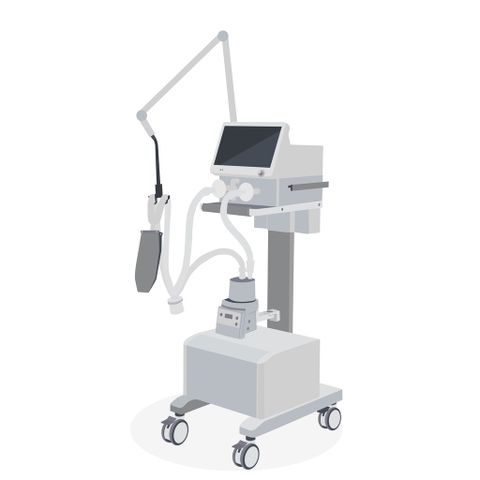
AI is already monitoring perfusion parameters, alerting to anomalies, and optimizing pump flow calculations. Here's what that means for your career and what to do about it.
AI won't replace perfusionists, but it's changing how they monitor and adjust circulation during surgery. Smart pumps and predictive alerts now flag risks earlier, letting perfusionists focus on judgment calls. Sterile technique, split-second decisions, and surgical team coordination remain irreplaceable.
TASK LEVEL RISK
Most of the work stays human. AI assists at the edges.
AI is handling specific tasks. The core role is intact but shifting.
AI is automating significant portions of the work. Adaptation is essential.
 Higher risk
logging perfusion data, calculating drug doses, generating case reports, tracking equipment maintenance, inventory management
Lower risk
managing cardiopulmonary bypass, responding to hemodynamic crises, coordinating with surgeons, adjusting flow rates mid-surgery, troubleshooting equipment failures
Perfusionists sustain patient life during open-heart surgery, requiring real-time judgment, sterile presence, and accountability no AI system can assume.
WHAT YOU SHOULD DO
Skills to build for the AI era
New skills - Adapt to the AI landscape
 New skills - Adapt to the AI landscape
Interpret predictive alerts from smart perfusion systems and integrate machine learning outputs with clinical judgment during cardiac cases.
Coordinate extracorporeal membrane oxygenation cases using advanced monitoring platforms, remote consultation tools, and data-driven weaning protocols.
Use perfusion registries and outcome dashboards to benchmark performance, identify trends, and support quality improvement in cardiac surgery.
Configure networked pumps, oxygenators, and electronic records to ensure accurate data capture and interoperability across surgical platforms.
Timeless skills - What AI can't replicate
 Timeless skills - What AI can't replicate
Make immediate life-critical decisions during hemodynamic instability, equipment failure, or unexpected surgical complications on cardiopulmonary bypass.
Coordinate seamlessly with surgeons, anesthesiologists, and nurses using clear closed-loop communication during high-pressure cardiac procedures.
Physically manage pump controls, cannula positioning, and circuit adjustments with sterile technique and dexterity no automated system replicates.
THE FULL PICTURE
What AI can do, what it can't, and where the career is headed
What AI can already do
- Monitor blood gas and hemodynamic values continuously
- Predict clotting risks from real-time flow data
- Automate documentation of perfusion parameters
- Calculate optimal cardioplegia dosing based on patient metrics
- Flag deviations from safe operating ranges
- Generate post-case reports for review
What AI can't do
- AI cannot physically operate a heart-lung machine during a live cardiac surgery.
- AI cannot respond to a surgeon's spoken request while adjusting flow and pressure simultaneously.
- AI cannot troubleshoot mechanical failures under time pressure with a patient's life at stake.
- AI cannot assume medical and legal accountability for perfusion outcomes.
- These are the irreplaceable contributions of Perfusionists, and they remain entirely human.
Perfusionists who master AI-enhanced monitoring while maintaining core clinical judgment will remain essential to cardiac surgery through 2030 and beyond.
Do you have the right strengths for this career?
Our test measures your personality and strengths — and shows how you match with 1600+ careers.
Job outlook
The BLS projects healthcare technologist roles including perfusionists to grow around 5 percent from 2024 to 2034. Demand is strongest in cardiac surgery centers, transplant programs, and academic medical hospitals. Perfusionists with ECMO and pediatric cardiac experience have the strongest prospects.