What is a Plastic Surgeon?
A plastic surgeon is a medical doctor who specializes in repairing, reconstructing, or improving the appearance of the body. They work on areas like the skin, face, hands, and other parts of the body to fix injuries, birth defects, or damage from surgery or illness. Plastic surgeons also perform cosmetic procedures to enhance appearance, such as facelifts, breast augmentations, or rhinoplasty.
Plastic surgeons use both surgical and non-surgical techniques to achieve their goals. They carefully plan procedures to make sure patients not only look better but also function normally, especially when repairing injuries or congenital issues. Their work requires precision, creativity, and a deep understanding of anatomy to ensure safe and effective results.
What does a Plastic Surgeon do?
Duties and Responsibilities
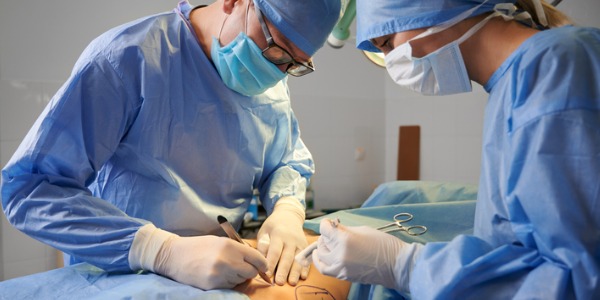
Plastic surgeons have a wide range of duties and responsibilities related to the surgical and non-surgical management of cosmetic and reconstructive procedures. Some common duties and responsibilities include:
- Patient Consultation: Plastic surgeons meet with patients to understand their goals for appearance or reconstruction. They review medical history, perform exams, and give recommendations for surgical or non-surgical options.
- Surgical Procedures: They perform surgeries to improve appearance or repair damage. Cosmetic surgeries include facelifts and breast augmentation, while reconstructive surgeries fix injuries, burns, or congenital issues like cleft lips.
- Preoperative Preparation: Before surgery, plastic surgeons explain the procedure, risks, and benefits to make sure patients have realistic expectations. They may order tests, prescribe medications, and give instructions to prepare for surgery.
- Surgical Techniques: Plastic surgeons use advanced techniques, from traditional surgery to minimally invasive and microsurgery. Precise skill and knowledge of anatomy are essential to achieve good results safely.
- Postoperative and Non-Surgical Care: After surgery, they monitor recovery, address complications, and guide patients on healing and activity restrictions. They also provide non-surgical treatments such as Botox, fillers, laser skin treatments, and body contouring.
- Collaboration, Research, and Education: Plastic surgeons often work with other specialists to provide complete care for complex cases. Many also participate in research, publish studies, and teach to advance the field of plastic surgery.
Types of Plastic Surgeons
Plastic surgery is a diverse field with various subspecialties, each focusing on different areas of the body and specific surgical techniques. Here are some common types of plastic surgeons:
- Burn Surgeons: Burn surgeons focus on treating burn injuries and helping patients recover from severe skin damage. They perform procedures like wound cleaning, skin grafts, and scar reconstruction while working with a team to support patients throughout recovery.
- Cosmetic Surgeons: Cosmetic surgeons specialize in improving appearance through elective surgeries. They perform procedures such as facelifts, breast augmentation, rhinoplasty, liposuction, and tummy tucks to help patients achieve their aesthetic goals.
- Craniofacial Surgeons: Craniofacial surgeons treat abnormalities of the skull, face, and jaws, whether from birth defects or injuries. They perform surgeries like cleft lip and palate repair, facial reconstruction after trauma, and jaw surgery to restore both function and appearance.
- Hand Surgeons: Hand surgeons focus on the treatment of hand and upper extremity injuries or conditions. They address issues such as fractures, tendon injuries, nerve compression, congenital deformities, and arthritis in the hands.
- Microvascular Surgeons: Microvascular surgeons specialize in working with very small blood vessels and tissues using microscopes and fine instruments. They perform surgeries such as tissue transfers and reconstructive flaps to repair damage from trauma, cancer, or congenital defects.
- Reconstructive Surgeons: Reconstructive surgeons restore form and function to areas affected by injury, disease, or congenital problems. They perform surgeries like breast reconstruction after mastectomy, skin cancer reconstruction, burn repair, and cleft lip and palate correction.
Plastic surgeons have distinct personalities. Think you might match up? Take the free career test to find out if plastic surgeon is one of your top career matches. Take the free test now Learn more about the career test
What is the workplace of a Plastic Surgeon like?
The workplace of a plastic surgeon can vary depending on whether they focus on cosmetic or reconstructive work. Many plastic surgeons work in hospitals, where they handle reconstructive surgeries for patients who have suffered injuries, burns, or have congenital conditions. They also perform surgeries to repair damage from cancer treatments or accidents.
Plastic surgeons often spend time in private clinics, especially those who focus on cosmetic procedures. In these settings, they meet with patients to discuss goals, plan surgeries, and perform elective procedures like facelifts, breast augmentations, and body contouring. Clinics are usually equipped with operating rooms for minor or outpatient procedures and consultation spaces for patient meetings.
In addition to performing surgeries, plastic surgeons spend time reviewing patient records, coordinating with other specialists, and monitoring recovery after operations. Some also teach medical students or conduct research to develop new techniques and treatments. The work can be demanding, but it is rewarding because plastic surgeons help patients regain function, confidence, and improve their quality of life.
Frequently Asked Questions
Doctor Specializations and Degrees
Specializations
The following is a comprehensive list of the various specializations that a doctor can pursue and a brief summary of each specialization:
- Allergist: An allergist specializes in the diagnosis and treatment of allergies, asthma, and related conditions. Allergists have specialized training in the recognition and management of allergic reactions.
- Anesthesiologist: An anesthesiologist keeps a patient comfortable, safe and pain-free during surgery by administering local or general anesthetic.
- Cardiologist: A cardiologist specializes in finding, treating, and preventing diseases that affect the heart, the arteries, and the veins.
- Cardiothoracic Surgeon: A cardiothoracic surgeon specializes in surgical procedures inside the thorax (the chest), which may involve the heart, lungs, esophagus, and other organs in the chest. As well as performing surgery, they also diagnose and treat diseases of these organs.
- Chiropractic Neurologist: A chiropractic neurologist is a specialized type of chiropractor who has undergone additional training in the field of neurology. They diagnose and treat conditions that affect the brain, spinal cord, and other parts of the nervous system.
- Chiropractor: A chiropractor, or doctor of chiropractic medicine, specializes in diagnosing and treating disorders of the musculoskeletal and nervous system, especially in the spine. Treatment is usually physical manipulation of the joints and the spine to bring them back into alignment. A chiropractor does not perform surgery or prescribe medication.
- Colorectal Surgeon: A colorectal surgeon specializes in diseases of the colon, rectum, and anus, as well as the entire gastric tract. These surgeons work closely with urologists, who handle the urogenital tract in males and the urinary tract of women, gynecologists, who deal with specific female issues, and gastroenterologists, who deal with diseases of the gut.
- Doctor: An general overview of what a doctor does and how to become one.
- Dentist: Dentists identify potential oral health issues such as gum disease, as well as examine patients, order medical tests and determine the correct diagnosis and treatment. They also perform oral surgery and remove teeth or address other dental health problems.
- Dermatologist: A dermatologist specializes in the prevention, diagnosis, and treatment of conditions affecting skin, hair, sweat and oil glands, nails, and mucus membranes (inside the mouth, nose, and eyelids) which can include cancer.
- Emergency Medicine Physician: An emergency medicine physician works in emergency departments, hospitals, and urgent care clinics, and is often the first medical professional that patients see when they are in need of urgent medical care.
- Endocrinologist: An endocrinologist specializes in diagnosing conditions and diseases related to the glands and hormones. While primary care doctors know a lot about the human body, for conditions and diseases directly related to glands and hormones they will typically send a patient to an endocrinologist.
- Family Practitioner: A family practitioner specializes in caring for the entire family. Patients can be children, adults, and the elderly, and are treated for a wide array of medical issues.
- Forensic Pathologist: A forensic pathologist investigates the cause of sudden and unexpected deaths, and is able to determine how a person died by performing an autopsy and studying tissue and laboratory results. These doctors are often called upon to provide evidence in court regarding the cause and time of such deaths.
- Gastroenterologist: A gastroenterologist has specific training in diagnosing and treating conditions and diseases of the gastrointestinal (GI) tract. This may include diseases and disorders that affect the the biliary system (liver, pancreas, gallbladder, and bile ducts), as well as the esophagus, stomach, small intestine, and large intestine (colon).
- Geriatrician: A geriatrician specializes in the care of elderly patients, and often works with patients who have multiple chronic conditions, such as hypertension, diabetes, and heart disease, as well as age-related cognitive and functional impairments.
- Gynecologist: A gynecologist specializes in women's reproductive systems. Gynecologists are also sometimes certified as obstetricians, and will monitor the health of the mother and the fetus during a pregnancy.
- Hematologist: A doctor who specializes in the diagnosis and treatment of blood disorders, such as anemia and leukemia.
- Hospitalist: A hospitalist is a physician whose focus is the general medical care of hospitalized patients. Their duties include patient care, teaching, research, and leadership related to hospital medicine.
- Immunologist: An immunologist specializes in managing problems related to the immune system, such as allergies and autoimmune diseases. A smaller number of immunologists are strictly researchers seeking to better understand how the immune system works and to help develop better ways of diagnosing and providing treatment for many immunological conditions.
- Infectious Disease Specialist: A doctor who specializes in the diagnosis and treatment of infectious diseases, such as HIV/AIDS, tuberculosis, and hepatitis.
- Internist: An internist is a 'doctor of internal medicine' who can diagnose, treat, and practice compassionate care for adults across the spectrum, from health to complex illness. They are not to be mistaken with "interns," who are doctors in their first year of residency training.
- Medical Examiner: Medical examiners are responsible for performing autopsies and collecting evidence related to the circumstances of a death, including medical history, physical examination findings, and toxicology tests.
- Naturopathic Physician: A naturopathic physician blends modern scientific medical practice and knowledge with natural and traditional forms of medical treatment. The goal is to treat the underlying causes of disease while stimulating the body's own healing abilities.
- Nephrologist: A doctor who specializes in the diagnosis and treatment of kidney diseases. They treat conditions such as chronic kidney disease, acute kidney injury, kidney stones, hypertension, and electrolyte imbalances.
- Neurologist: A neurologist specializes in treating diseases that affect the human nervous system. It is a very prestigious and difficult medical specialty due to the complexity of the nervous system, which consists of the brain, the spinal cord and the peripheral nerves.
- Neurosurgeon: A neurosurgeon specializes in the diagnosis and surgical treatment of disorders of the central and peripheral nervous system. This includes congenital anomalies, trauma, tumours, vascular disorders, infections of the brain or spine, stroke, or degenerative diseases of the spine.
- Obstetrician: An obstetrician is a medical doctor who specializes in caring for women during pregnancy, childbirth, and the postpartum period.
- Occupational Physician: Occupational medicine is focused on keeping individuals well at work, both mentally and physically. As workplaces become more complex, occupational physicians play an important role in advising people on how their work can affect their health.
- Oncologist: An oncologist specializes in the diagnosis and treatment of cancer. The three primary types of oncologists are: medical oncologists that specialize in the administration of drugs to kill cancer cells; surgical oncologists that perform surgical procedures to identify and remove cancerous tumors; and radiation oncologists that treat cancer with radiation therapy.
- Ophthalmologist: An ophthalmologist is a specialist that deals specifically with the structure, function, diseases, and treatment of the eye. Due to the complexities and the importance of the eye as a special sense that provides vision, the discipline of ophthalmology is dedicated solely to this organ.
- Oral and Maxillofacial Surgeon: An oral and maxillofacial surgeon treats dental and medical problems involving the oral cavity and the maxillofacial area. The maxillofacial area includes the bones of the forehead, face, cheekbones and the soft tissues. Treatment often involves performing surgery and related procedures to treat diseases, defects, or injuries, and to improve function or appearance.
- Orthodontist: An orthodontist specializes in how the jaws and teeth are aligned. They help people whose teeth are misaligned or require some kind of correction – those with an improper bite, or malocclusion.
- Orthopedic Surgeon / Orthopedist: An orthopaedic surgeon (or orthopedist) examines, diagnoses, and treats diseases and injuries of the musculoskeletal system. This system includes the bones, joints, ligaments, muscles, tendons, and nerves.
- Osteopathic Physician: Osteopathic physicians (DOs) are fully licensed medical doctors who diagnose, treat, and help prevent illness and injury, with an added focus on the body’s musculoskeletal system. They combine conventional medical practices with a holistic approach that emphasizes whole-person care and preventive health.
- Otolaryngologist: Otolaryngologists (or ENT physicians) are specialists trained in the diagnosis and treatment of patients with diseases and disorders of the ear, nose, throat (ENT), and related structures of the head and neck. These specialists are trained in both medicine and surgery.
- Pathologist: A pathologist studies the causes, nature, and effects of disease. The field of pathology is broad with concentrations on changes in cells, tissues, and organs that are the result of a disease.
- Pediatrician: A pediatrician specializes in providing medical care to infants, children and teenagers by administering treatments, therapies, medications and vaccinations to treat illness, disorders or injuries.
- Periodontist: A periodontist is a dentist who specializes in oral inflammation, and who knows how to prevent, diagnose, and treat periodontal disease.
- Plastic Surgeon: A plastic surgeon specializes in reshaping healthy body parts for aesthetic reasons, and also in repairing or replacing body parts damaged by accidents, illness or malformation.
- Podiatrist: A podiatrist practices podiatric medicine, which is a branch of science devoted to the diagnosis, treatment and study of medical disorders of the foot, ankle, lower leg and lower back. In the U.S. and Canada, podiatry is practiced as a specialty.
- Prosthodontist: A prosthodontist specializes in restoring the look, function, comfort, and health of a patient's oral cavity with artificial materials. These artificial materials are made up of a wide variety of restorations that include fillings, dentures, veneers, crowns, bridges and oral implants.
- Psychiatrist: Psychiatrists are physicians who evaluate, diagnose and treat patients who are affected by a temporary or chronic mental health problem.
- Pulmonologist: A pulmonologist specializes in the diagnosis and treatment of pulmonary (lung) conditions and diseases of the chest, particularly pneumonia, asthma, tuberculosis, emphysema, and complicated chest infections.
- Radiologist: A radiologist is a specialist in interpreting medical images that may be obtained with x-rays, (CT scans or radiographs), nuclear medicine (involving radioactive substances, magnetism (MRI), or ultrasound.
- Rheumatologist: A doctor who specializes in the diagnosis and treatment of rheumatic diseases, such as rheumatoid arthritis and lupus.
- Sports Medicine Physician: A sports medicine physician specializes in taking care of people who have sports injuries that may be acquired from playing sports, exercising, or from otherwise being physically active.
- Surgeon: A surgeon performs surgery for the purpose of removing diseased tissue or organs, to repair body systems, or to replace diseased organs with transplants.
- Telemedicine Physician: A telemedicine physician provides remote healthcare services to patients using telecommunications technology, facilitating virtual consultations, diagnoses, and treatment recommendations.
- Urologist: A urologist specializes in the treatment of the male and female urinary tract and the male reproductive organs. Urologists can treat the kidneys, urinary bladder, urethra, uterus, and male reproductive organs. There are also specific specialty areas that urologists may choose to focus on, such as pediatric urology, male infertility, and urologic oncology.
- Vascular Medicine Specialist: A vascular medicine specialist specializes in the diagnosis and nonsurgical treatment of conditions affecting the blood vessels. They may work with patients who have conditions such as deep vein thrombosis, peripheral artery disease, or pulmonary embolism.
- Vascular Surgeon: A vascular surgeon specializes in the diagnosis and surgical treatment of conditions affecting the blood vessels, including aneurysms, peripheral artery disease, and varicose veins.
- Veterinary Dentist: A veterinary dentist is a specialized veterinarian who focuses on the diagnosis, treatment, and prevention of dental diseases and conditions in animals. They perform dental procedures such as cleanings, extractions, and oral surgeries to improve the oral health and well-being of pets and other animals.
- Virologist: A virologist is a scientist or medical doctor who studies viruses, develops treatments and vaccines, and works to prevent and control viral diseases.
Related Degrees
- Dentistry
- Medicine
- Naturopathic Medicine
- Osteopathic Medicine
- Podiatric Medicine
- Pre-Dentistry
- Pre-Medicine
- Veterinary Medicine
Pros and Cons of Being a Plastic Surgeon
Becoming a plastic surgeon offers many rewards but also comes with challenges. Here are some pros and cons to consider:
Pros
- Professional Fulfillment: Plastic surgeons can make a big difference in patients’ lives by improving appearance, restoring function, and boosting confidence. Helping someone feel better about themselves can be very rewarding.
- High Earning Potential: Plastic surgery is one of the highest-paying medical specialties. Surgeons, especially in private practice, can earn a very good income because of their specialized skills.
- Diverse Practice Opportunities: Plastic surgeons can work in many settings, such as private clinics, hospitals, or teaching hospitals. They can focus on cosmetic surgery, reconstructive surgery, or a mix of both.
- Artistic and Technical Skill: The job combines creativity and precision. Plastic surgeons get to use both their artistic sense and surgical skills to achieve great results for patients.
- Personal Satisfaction: Many plastic surgeons enjoy the challenge and feel proud of the positive impact they have on patients’ lives. Seeing patients regain confidence or recover from injuries can be very gratifying.
Cons
- Extensive Training: Becoming a plastic surgeon takes many years, including medical school, a five- to seven-year residency, and sometimes additional fellowship training. It requires a huge time commitment and hard work.
- High Stress and Pressure: Plastic surgery can be stressful, with complex cases and patients who have high expectations. Surgeons must perform carefully and manage pressure to get good results.
- Liability Risks: There is a risk of medical malpractice lawsuits if a surgery doesn’t go as planned or a patient is unhappy. Malpractice insurance can be expensive, and legal issues can be stressful.
- Work-Life Balance: Plastic surgeons often work long hours, evenings, weekends, and may be on call. Finding time for family, hobbies, and rest can be difficult.
- Ethical Considerations: Surgeons sometimes face ethical decisions, like balancing patient desires with what is safe and appropriate. They need to make sure surgeries are done responsibly and with informed consent.