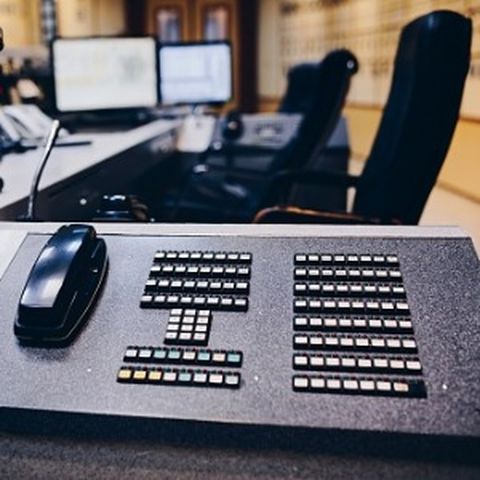
AI is already routing calls, transcribing messages, and answering common inquiries through virtual receptionists. Here's what that means for your career and what to do about it.
AI won't fully replace switchboard operators overnight, but it has already replaced most of the work operators once did. Auto-attendants, voice recognition, and cloud PBX systems now handle routing at scale. Warmth, discretion, and situational judgment remain irreplaceable.
TASK LEVEL RISK
Most of the work stays human. AI assists at the edges.
AI is handling specific tasks. The core role is intact but shifting.
AI is automating significant portions of the work. Adaptation is essential.
 Higher risk
routing incoming calls, transferring extensions, answering FAQs, taking basic messages, paging staff, directory lookups, after-hours voicemail handling
Lower risk
handling emergency escalations, screening executive calls, comforting distressed callers, coordinating during outages, front-desk hospitality, resolving misrouted urgent requests
Switchboard work depends on courteous human presence during emergencies, sensitive calls, and VIP interactions where callers need a real, reassuring voice.
WHAT YOU SHOULD DO
Skills to build for the AI era
New skills - Adapt to the AI landscape
 New skills - Adapt to the AI landscape
Monitor and troubleshoot auto-attendants, IVR menus, and cloud PBX platforms like RingCentral or Genesys to keep call flows accurate.
Log caller interactions in Salesforce, Zendesk, or ServiceNow so downstream teams can follow up quickly and accurately.
Handle voice, live chat, SMS, and email simultaneously, routing each channel efficiently while maintaining a consistent professional tone.
Follow HIPAA, GDPR, and organizational policies when handling caller information, verifying identities, and transferring sensitive requests.
Timeless skills - What AI can't replicate
 Timeless skills - What AI can't replicate
Detect emotional cues, distress, or confusion in a caller's voice and respond with warmth that automated systems cannot match.
Decide when to interrupt executives, escalate emergencies, or bypass procedure, using situational awareness AI systems consistently lack.
Stay calm during emergencies, outages, or high call volumes, keeping callers reassured while coordinating with staff and responders.
THE FULL PICTURE
What AI can do, what it can't, and where the career is headed
What AI can already do
- Route incoming calls automatically using voice recognition
- Transcribe voicemails into searchable text
- Answer routine questions with virtual receptionists
- Log and categorize call activity in real time
- Forward messages to the correct department instantly
- Handle multilingual greetings without human translation
What AI can't do
- AI cannot read distress in a caller's voice and adapt tone with genuine empathy.
- AI cannot make discretionary decisions about which VIP or sensitive calls require human intervention.
- AI cannot smooth over frustrated callers who have been stuck in automated menus.
- AI cannot coordinate calmly with staff during building emergencies or system outages.
- These are the irreplaceable contributions of Switchboard Operators, and they remain entirely human.
Switchboard operators who blend hospitality, discretion, and comfort with AI-assisted call systems will hold the remaining jobs in this shrinking field.
Do you have the right strengths for this career?
Our test measures your personality and strengths — and shows how you match with 1600+ careers.
Job outlook
The Bureau of Labor Statistics projects switchboard operator employment to decline about 6 percent from 2024 to 2034. Remaining demand is strongest in hospitals, hotels, and large institutions requiring 24/7 human answering. Roles combining reception, hospitality, and administrative support have the best prospects.