In this article:
What is a Geotechnical Engineering Degree?
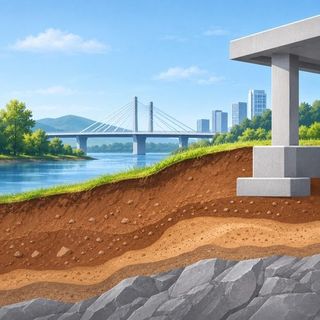
A geotechnical engineering degree focuses on understanding how soil, rock, and other earth materials behave and how they affect construction and the environment. Students learn how to analyze ground conditions, design stable foundations, and make sure structures like buildings, bridges, roads, and dams are built on safe and reliable ground. The program combines engineering principles with geology and environmental science to help students understand how the ground responds to weight, water, and natural forces such as earthquakes.
This degree may be a good fit for students who enjoy science, math, and solving practical problems. It’s especially appealing to those who are curious about how the natural world works and want to use that knowledge to make construction projects safer and more environmentally responsible. Students who like a mix of hands-on fieldwork, laboratory testing, and technical design may also find this field rewarding. Graduates can pursue opportunities in construction, civil engineering, environmental consulting, transportation, infrastructure development, and waste management, helping to solve challenges involving the ground beneath our feet.
Program Options
Geotechnical engineering is typically studied as a specialization within civil engineering, although some universities offer dedicated graduate programs. At the bachelor’s level, students usually begin with a degree in civil engineering or geological engineering before focusing on geotechnical subjects. Master’s and doctoral programs provide opportunities for more advanced study in areas such as soil mechanics, foundation design, earthquake engineering, and environmental geotechnics.
- Bachelor of Science (BS) in Civil Engineering: This undergraduate degree provides a foundation in mathematics, physics, structural engineering, and engineering design. Students interested in geotechnical engineering can take courses in soil mechanics, foundation engineering, and slope stability, preparing them for work involving buildings, roads, bridges, and other infrastructure.
- Bachelor of Science (BS) in Geological Engineering: This undergraduate degree combines geology and engineering to help students understand how soil, rock, and groundwater affect construction and environmental projects. Students study subjects such as rock mechanics, groundwater systems, site investigation, and geotechnical engineering, preparing them for careers involving ground conditions and geological hazards.
- Master of Science (MS) in Civil Engineering (Geotechnical Engineering Specialization): This graduate degree allows students to develop advanced knowledge of soil behavior, foundation design, ground improvement, and earthquake engineering. Programs may include specialized coursework, laboratory research, and a thesis, depending on the university.
- Master of Engineering (MEng) in Civil Engineering (Geotechnical Engineering Specialization): This professionally focused graduate degree emphasizes practical applications of geotechnical engineering, including foundation design, slope stability, underground construction, and site investigations. Programs typically focus on advanced coursework and may include applied engineering projects rather than a research thesis.
- Doctor of Philosophy (PhD) in Civil Engineering (Geotechnical Engineering Specialization): This research-focused degree is designed for students interested in studying complex problems involving soil and rock behavior, earthquake engineering, ground improvement, and underground structures. Students conduct original research and complete a dissertation, preparing for careers in university teaching, advanced engineering research, and specialized consulting.
Skills You’ll Learn
A geotechnical engineering degree helps students develop the technical, analytical, and problem-solving skills needed to understand how soil, rock, and groundwater affect construction and the environment. Students learn how to evaluate ground conditions, design safe foundations, and find solutions to challenges involving unstable soil, natural hazards, and environmental protection.
- Soil and Rock Mechanics: Learn how soil and rock behave under different conditions, including pressure, weight, and changes in moisture. You’ll explore how these materials affect the stability of buildings, roads, bridges, and other structures.
- Foundation Design: Develop skills in designing foundations that safely support buildings and other structures. You’ll learn how to evaluate soil conditions, calculate loads, and choose suitable foundation systems for different construction projects.
- Site Investigation and Soil Testing: Learn how to collect soil and rock samples, conduct laboratory tests, and evaluate ground conditions before construction begins. You’ll develop skills in interpreting test results and identifying potential problems at building sites.
- Groundwater and Drainage: Understand how water moves through soil and rock and how it affects ground stability. You’ll learn how to assess groundwater conditions, manage drainage, and reduce problems caused by erosion, seepage, and excess moisture.
- Slope Stability and Ground Improvement: Learn how to evaluate slopes, embankments, and other earth structures for potential failure. You’ll explore methods for strengthening weak soil, preventing landslides, and improving ground conditions for construction.
- Geotechnical Analysis and Modeling: Build skills in using mathematics, engineering calculations, and computer software to analyze soil behavior and predict how the ground will respond to different loads and conditions. You’ll learn how to use these tools to support engineering design decisions.
- Earthquake Engineering and Natural Hazards: Explore how earthquakes and other natural forces affect soil, foundations, and structures. You’ll learn how to assess risks such as soil liquefaction, ground movement, and slope failure and consider ways to reduce potential damage.
- Environmental Geotechnics: Learn how geotechnical engineering is used to address environmental challenges, including landfill design, waste containment, and contaminated soil. You’ll explore methods for controlling the movement of pollutants, protecting groundwater, and improving damaged or unstable ground.
What Can You Do with a Geotechnical Engineering Degree?
A geotechnical engineering degree prepares graduates for careers that involve understanding soil, rock, and groundwater and how they affect construction, infrastructure, and the environment.
- Geotechnical Engineer: Study soil, rock, and groundwater conditions to determine whether land is suitable for construction. Geotechnical engineers design foundations, evaluate slope stability, and recommend ways to improve ground conditions for buildings, bridges, roads, and other structures.
- Civil Engineer: Plan, design, and oversee infrastructure projects such as roads, bridges, dams, and buildings. Civil engineers with a geotechnical background focus on how ground conditions affect the safety, stability, and long-term performance of these structures.
- Mining and Geological Engineer: Apply knowledge of geology and engineering to evaluate ground conditions and geological hazards. Geological engineers investigate soil and rock formations, assess landslide risks, and help develop solutions for construction, mining, and environmental projects.
- Environmental Engineer: Develop solutions to environmental problems involving soil, water, and waste management. Environmental engineers with geotechnical expertise may work on landfill design, contaminated site cleanup, groundwater protection, and waste containment systems.
- Foundation Engineer: Design and evaluate foundation systems that support buildings, bridges, and other structures. Foundation engineers analyze soil conditions, calculate structural loads, and develop solutions such as shallow foundations, piles, and deep foundation systems.
- Geotechnical Consultant: Provide specialized advice on ground conditions and construction-related risks. Geotechnical consultants conduct site investigations, interpret soil testing results, assess potential hazards, and recommend engineering solutions for construction and infrastructure projects.