In this article:
What is a Plant Protection Degree?
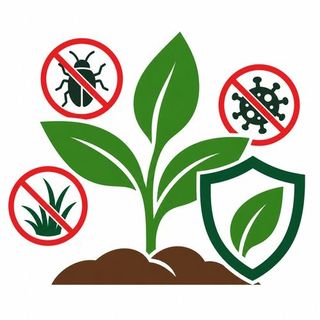
A plant protection degree teaches students how to keep crops and other plants healthy by preventing and managing pests, diseases, and weeds. Students learn about plant biology, insects, fungi, bacteria, plant diseases, weed science, and environmentally responsible pest management. The program combines biology, agriculture, and environmental science to protect plants while supporting safe and sustainable food production.
This degree is a good fit for people who are interested in plants, agriculture, science, and environmental conservation. Graduates may work for farms, agricultural companies, government agencies, research organizations, or consulting firms. They help identify plant health problems, develop pest management strategies, protect crops from damage, and promote sustainable agricultural practices.
Program Options
Plant protection degree programs are available at several levels, allowing students to develop knowledge of plant health, pest management, plant diseases, weed science, and sustainable crop protection. Here are the most common program options:
- Associate Degree in Plant Protection: A two-year program that introduces students to plant science, crop production, pest identification, plant diseases, and basic pest management practices. Graduates may qualify for entry-level positions in agriculture or continue their education in a bachelor’s degree program.
- Bachelor’s Degree in Plant Protection: A four-year program that provides a comprehensive education in plant pathology, entomology, weed science, integrated pest management, crop protection, and plant health. Many programs include laboratory work, field experiences, and hands-on training in diagnosing and managing plant health problems.
- Master’s Degree in Plant Protection: An advanced program that allows students to specialize in areas such as plant pathology, integrated pest management, biological control, weed science, or crop protection. Students typically complete original research while preparing for careers in research, consulting, or agricultural management.
- Doctoral Degree (Ph.D.) in Plant Protection: A research-intensive program designed for students pursuing careers in academia, government, or advanced agricultural research. Doctoral candidates conduct original research to improve plant health, develop sustainable pest management strategies, and advance crop protection technologies.
- Graduate Certificate in Plant Protection: A short, specialized program designed for professionals seeking advanced knowledge of plant health, pest management, plant diseases, or integrated pest management without completing a full graduate degree.
Skills You’ll Learn
A plant protection degree helps students develop the scientific, diagnostic, and agricultural skills needed to protect crops and other plants from pests, diseases, and environmental threats. Common skills learned include:
- Plant Disease Diagnosis: Learn how to identify diseases caused by fungi, bacteria, viruses, and other pathogens. Develop the skills to diagnose plant health problems and recommend effective treatments.
- Pest Identification and Management: Study the insects, mites, and other pests that damage crops and ornamental plants. Learn how to monitor pest populations and select appropriate control methods.
- Weed Science: Develop an understanding of weed biology, identification, and control strategies. Learn how to manage weeds using cultural, mechanical, biological, and chemical methods.
- Integrated Pest Management (IPM): Learn how to manage pests using a combination of biological, cultural, physical, and chemical approaches. Understand how IPM reduces environmental impacts while protecting crop productivity.
- Plant Health Assessment: Build the ability to evaluate the overall health of crops and other plants through field observations, sampling, and laboratory testing. Learn to identify environmental factors that affect plant growth and development.
- Pesticide Management: Study the safe selection, application, and regulation of pesticides used in agriculture. Learn how to minimize risks to people, wildlife, and the environment while maintaining effective pest control.
- Crop Protection Strategies: Learn how to develop comprehensive plans to protect crops from pests, diseases, weeds, and environmental stress. Understand how crop management practices contribute to healthy and productive growing systems.
- Research and Data Analysis: Develop skills in scientific research, experimental design, field data collection, and data analysis. Learn how to interpret research findings and apply them to improve plant protection practices.
What Can You Do with a Plant Protection Degree?
A plant protection degree prepares graduates for careers that combine plant science, agriculture, pest management, and environmental stewardship. Common career paths include:
- Plant Protection Specialist: Develop and implement strategies to protect crops and other plants from pests, diseases, and weeds. Monitor plant health, diagnose problems, and recommend effective control measures.
- Plant Pathologist: Study plant diseases and identify the fungi, bacteria, viruses, or other pathogens that affect plant health. Develop disease management strategies to reduce crop losses and improve plant productivity.
- Integrated Pest Management (IPM) Specialist: Design pest management programs that combine biological, cultural, physical, and chemical control methods. Help growers manage pests effectively while reducing environmental impacts.
- Agricultural Consultant: Advise farmers and agricultural businesses on crop protection, pest management, and plant health practices. Conduct field assessments and recommend solutions to improve crop productivity and sustainability.
- Crop Scout: Inspect fields to identify pests, diseases, weeds, and other crop health issues. Collect field data and provide recommendations that help growers make timely management decisions.
- Weed Scientist: Study the biology and management of weeds that affect agricultural crops and natural areas. Develop strategies to control invasive and troublesome weeds while minimizing environmental impacts.
- Research Scientist: Conduct research to improve plant health, pest management, and crop protection techniques. Design experiments, analyze data, and contribute to the development of new technologies and sustainable agricultural practices.