Is becoming an AI autonomous systems engineer right for me?
The first step to choosing a career is to make sure you are actually willing to commit to pursuing the career. You don’t want to waste your time doing something you don’t want to do. If you’re new here, you should read about:

Still unsure if becoming an AI autonomous systems engineer is the right career path? Take the free CareerExplorer career test to find out if this career is right for you. Perhaps you are well-suited to become an AI autonomous systems engineer or another similar career!
Described by our users as being “shockingly accurate”, you might discover careers you haven’t thought of before.
How to become an AI Autonomous Systems Engineer
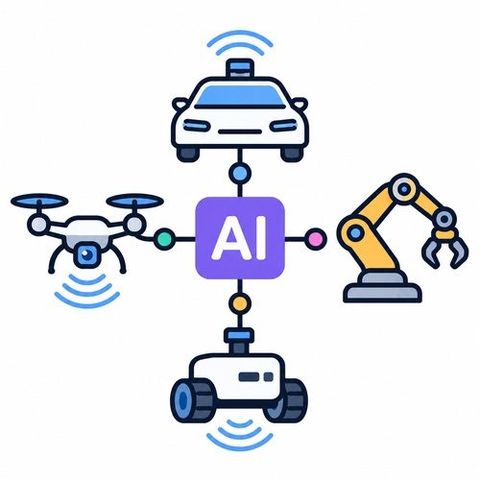
Becoming an AI autonomous systems engineer requires a combination of skills in software engineering, artificial intelligence, robotics, and systems design. The following steps can help prepare individuals to build and maintain intelligent systems such as autonomous vehicles, drones, robots, and other AI-powered technologies.
- Complete Relevant Education: Earn a degree in computer science, software engineering, robotics engineering, electrical engineering, or a related field. This provides a strong foundation in programming, mathematics, and engineering principles.
- Learn Programming and Software Development: Develop proficiency in programming languages such as Python, C++, and Java. Strong software development skills are essential for building autonomous system applications and control software.
- Study Artificial Intelligence and Machine Learning: Learn the fundamentals of machine learning, deep learning, computer vision, and decision-making algorithms. These technologies allow autonomous systems to perceive their environment and make intelligent decisions.
- Gain Knowledge of Robotics and Control Systems: Understand how sensors, actuators, navigation systems, and control algorithms work together. This knowledge is critical for designing systems that can operate safely and independently.
- Build Hands-On Projects: Work on robotics, drone, autonomous vehicle, or AI-based projects to gain practical experience. Real-world projects help develop problem-solving skills and demonstrate technical abilities to employers.
- Learn Industry Tools and Platforms: Gain experience with technologies such as ROS (Robot Operating System), simulation software, cloud platforms, and AI development frameworks. These tools are commonly used in autonomous systems development.
- Earn Industry Certifications: Obtain certifications related to AI, cloud computing, robotics, or software engineering to strengthen professional credentials. Certifications can help demonstrate specialized knowledge and commitment to continuous learning.
- Stay Current with Emerging Technologies: Keep up with advancements in artificial intelligence, robotics, autonomous vehicles, and automation systems. Continuous learning is important in a field that evolves rapidly and introduces new technologies regularly.
Certifications
AI autonomous systems engineers can benefit from certifications in artificial intelligence, robotics, cloud computing, and machine learning. These certifications help validate the technical skills needed to develop, deploy, and manage autonomous technologies such as robots, drones, and self-driving systems.
- Microsoft Certified: Azure AI Engineer Associate: Validates skills in building, managing, and deploying AI solutions using Microsoft Azure.
- Google Cloud Professional Machine Learning Engineer: Demonstrates expertise in designing, building, and deploying machine learning models on Google Cloud.
- AWS Certified Machine Learning Engineer – Associate: Focuses on developing, training, and deploying machine learning solutions on Amazon Web Services.
- NVIDIA Deep Learning Institute (DLI) Certificate – Fundamentals of Deep Learning: Provides training in deep learning techniques used in computer vision, object detection, and autonomous system development.