What is an AI Autonomous Systems Engineer?
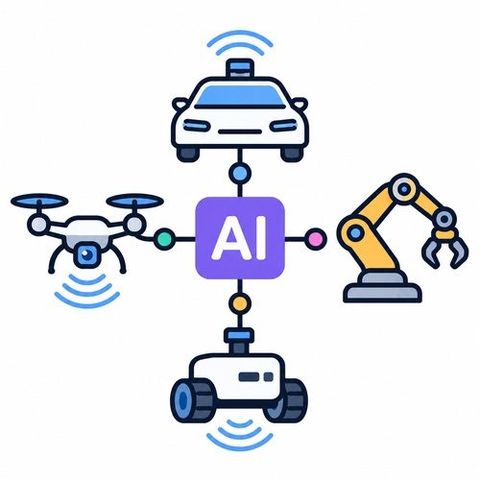
An AI autonomous systems engineer designs and builds intelligent machines and systems that can operate on their own with little or no human input. These systems use artificial intelligence to perceive their environment, make decisions, and carry out actions. Examples include self-driving cars, drones, robotic systems, and automated industrial machines.
AI autonomous systems engineers often work in industries such as robotics, automotive, aerospace, manufacturing, logistics, and defense. Their work involves combining AI techniques like machine learning and computer vision with engineering principles to create reliable and safe autonomous systems. Important qualities for this role include strong problem-solving skills, attention to detail, creativity, and the ability to work with complex technical systems.
What does an AI Autonomous Systems Engineer do?
Duties and Responsibilities
AI autonomous systems engineers are responsible for designing, developing, testing, and maintaining intelligent systems that can operate independently in real-world environments.
- System Design: Design autonomous systems that combine AI, sensors, and control systems to perform tasks without human intervention. This includes planning how different components like cameras, radar, and software work together.
- AI Model Development: Develop and integrate machine learning models that help systems perceive their environment and make decisions. These models may support tasks such as object detection, navigation, and prediction.
- Simulation and Testing: Run simulations and real-world tests to evaluate how autonomous systems perform in different conditions. This helps ensure safety, reliability, and accuracy before deployment.
- Software Development: Write and maintain code that controls system behavior and integrates AI models into hardware platforms. This ensures smooth communication between software and physical systems.
- Sensor and Data Integration: Work with data from sensors such as LiDAR, cameras, and GPS to help systems understand their surroundings. Accurate data processing is critical for safe operation.
- Performance Optimization: Improve the speed, efficiency, and decision-making ability of autonomous systems. This may involve refining algorithms and reducing system delays.
- Safety and Compliance: Ensure systems meet strict safety standards and industry regulations. This is especially important in industries like automotive, aerospace, and robotics.
- Collaboration with Engineering Teams: Work closely with mechanical engineers, electrical engineers, and AI specialists to build fully integrated autonomous systems. Strong teamwork ensures all components function together effectively.
Types of AI Autonomous Systems Engineers
AI autonomous systems engineers can specialize in different areas depending on the type of autonomous technology they build and the environments in which those systems operate. Each type focuses on a specific domain of intelligent, self-operating machines and systems.
- Autonomous Vehicle Engineer: Designs AI systems for self-driving cars and transportation platforms. This includes perception, navigation, decision-making, and safety systems for road environments.
- Robotics Autonomy Engineer: Builds intelligent robotic systems that can operate in factories, warehouses, healthcare, or research settings. These systems often rely on AI for movement, task execution, and environmental awareness.
- Drone Autonomy Engineer: Develops autonomous flight systems for drones used in delivery, surveillance, mapping, and inspection. This role focuses on navigation, obstacle avoidance, and flight control algorithms.
- Industrial Automation Engineer: Creates AI-driven systems for automated manufacturing and industrial processes. These systems improve efficiency, precision, and safety in production environments.
- Computer Vision Autonomy Engineer: Focuses on enabling autonomous systems to interpret visual data from cameras and sensors. This is critical for object detection, tracking, and scene understanding.
- AI Control Systems Engineer: Designs the decision-making and control algorithms that allow autonomous systems to respond to changing environments. This role combines AI with traditional control engineering principles.
- Simulation and Testing Engineer: Builds virtual environments to test and validate autonomous systems before real-world deployment. This helps ensure safety, performance, and reliability under different conditions.
AI autonomous systems engineers have distinct personalities. Think you might match up? Take the free career test to find out if AI autonomous systems engineer is one of your top career matches. Take the free test now Learn more about the career test
What is the workplace of an AI Autonomous Systems Engineer like?
The workplace of an AI autonomous systems engineer is usually a highly technical and innovation-focused environment where advanced machines and intelligent systems are developed and tested. Many work in industries such as automotive, robotics, aerospace, logistics, manufacturing, and defense. Depending on the company, the role may be based in an office, research lab, industrial facility, or in a hybrid/remote setup for software-focused tasks.
A large part of the work involves computer-based development, including coding AI models, running simulations, and analyzing data from sensors and autonomous systems. Engineers often work with specialized tools for robotics, machine learning, computer vision, and real-time system testing. Some roles also involve hands-on work with physical hardware like robots, drones, or vehicle prototypes in controlled testing environments.
Collaboration is a key part of the workplace, as AI autonomous systems engineers work closely with mechanical engineers, electrical engineers, software developers, and safety specialists. The environment is often fast-paced and detail-oriented because autonomous systems must meet strict safety and performance standards. Engineers also spend time troubleshooting issues, improving system reliability, and ensuring that autonomous technology behaves safely in real-world conditions.
Frequently Asked Questions
Artificial Intelligence-Related Careers and Degrees
AI Careers
Technical & Engineering Roles
- AI Agent Developer
- AI Autonomous Systems Engineer
- AI Cloud Engineer
- Artificial Intelligence Engineer
- AI Infrastructure Engineer
- AI Integration Specialist
- AI Performance Engineer
- AI Platform Engineer
- AI Robotics Engineer
- AI Software Engineer
- AI Solutions Engineer
- AI Systems Engineer
- Computer Vision Engineer
- Edge AI Engineer
- Generative AI Engineer
- Machine Learning Engineer
- MLOps Engineer
- Multimodal AI Engineer
- Natural Language Processing (NLP) Engineer
- Synthetic Data Engineer
AI Product & Design Roles
- AI Accessibility Designer
- AI Creative Technologist
- AI Curriculum Designer
- AI Instructional Designer
- AI Interaction Designer
- AI Learning Experience Designer
- AI Personalization Engineer
- AI Product Designer
- AI Product Manager
- AI UX Designer
- AI Voice Interface Designer
- HAX (Human-AI Experience) Designer
AI Research & Data Roles
- AI Data Analyst
- AI Data Curator
- AI Data Scientist
- AI Evaluation Specialist
- AI Knowledge Engineer
- AI Prompt Scientist
- AI Research Analyst
- AI Research Scientist
AI Strategy, Management & Business Roles
- AI Business Analyst
- AI Change Manager
- AI Consultant
- AI Implementation Specialist
- AI Lifecycle Manager
- AI Product Evangelist
- AI Project Coordinator
- AI Strategist
- AI Workforce Transformation Specialist
AI Ethics, Policy & Governance Roles
- AI Bias Auditor
- AI Compliance Analyst
- AI Compliance Officer
- AI Data Privacy Specialist
- AI Ethics Specialist
- AI Explainability Specialist
- AI Governance Analyst
- AI Governance Specialist
- AI Policy Analyst
- AI Red Team Specialist
- AI Risk Manager
- AI Safety Researcher
- AI Security Specialist
- AI Trust & Safety Specialist
- Responsible AI Specialist
AI Content & Communication Roles
- AI Auditor
- AI Community Manager
- AI Content Writer
- AI Conversation Designer
- AI Literacy Specialist
- AI Localization Specialist
- AI Technical Writer
- AI Trainer
Generative & Creative AI Roles
Industry-Specific AI Roles
- AI Agriculture Specialist
- AI Cybersecurity Specialist
- AI Education Specialist
- AI Financial Specialist
- AI Gaming Specialist
- AI Healthcare Specialist
- AI Legal Specialist
- AI Manufacturing Specialist
- AI Marketing Specialist
- AI Retail Specialist
- AI Supply Chain Analyst
Degrees
AI Autonomous Systems Engineers are also known as:
Artificial Intelligence Autonomous Systems Engineer