What is an AI Bias Auditor?
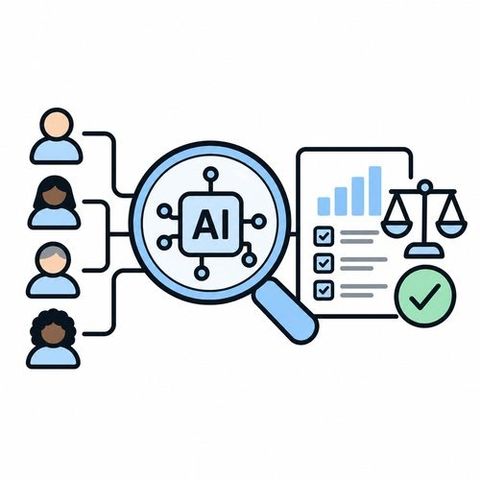
An AI bias auditor ensures that the artificial intelligence systems we use every day are fair and free from digital prejudice. They act as ethical detectives, digging into the "black box" of machine learning to see if an algorithm is making unfair decisions based on race, gender, age, or other protected traits. By testing these systems for hidden patterns of discrimination, they help companies build technology that works for everyone rather than just a specific demographic. They are the essential bridge between high-tech innovation and human civil rights, making sure that as our world becomes more automated, it doesn't become less equitable.
These specialists work across a variety of fast-paced industries including finance, healthcare, recruitment, and big tech. You might find them at a major bank ensuring loan algorithms aren’t biased against certain zip codes, or at a tech giant checking that facial recognition software recognizes all skin tones equally. To succeed in this role, you need a unique blend of technical data science skills and a deep understanding of social ethics. It is a career that requires a sharp analytical mind, a persistent curiosity, and a genuine passion for social justice.
What does an AI Bias Auditor do?

Duties and Responsibilities
AI bias auditors handle a mix of technical testing, data investigation, and report writing to ensure technology treats every user fairly. Their duties and responsibilities include:
- Data Set Inspection: They scrutinize the massive collections of data used to train AI to identify missing or overrepresented groups. This early check prevents historical human prejudices from being "taught" to a computer system.
- Algorithmic Testing: They run "stress tests" on AI models by feeding them different demographic scenarios to see if the outcomes change unfairly. These tests help reveal if a program is secretly using proxies like "hobbies" to guess a candidate's gender or race.
- Compliance Monitoring: They track how AI systems perform over time to make sure they don't develop new biases as they learn from new data. Regular check-ins ensure the software remains compliant with evolving civil rights laws and industry standards.
- Stakeholder Reporting: They translate complex mathematical findings into clear, plain-language reports for business leaders and legal teams. These documents explain where the risks are and provide a roadmap for fixing them before they cause real-world harm.
- Mitigation Strategy: They collaborate with software engineers to redesign models or adjust data weights to neutralize discovered biases. This problem-solving phase is where they help turn a "biased" tool into a fair and functional product.
- Regulatory Research: They stay up-to-date on the latest government rules and ethical frameworks regarding artificial intelligence. Constant learning is vital because the legal landscape for AI is changing almost every month.
Types of AI Bias Auditor
AI bias auditors often specialize in specific niches depending on the type of technology or the industry they serve. Here are some specializations:
- Financial Services Auditor: These auditors focus specifically on lending and credit scoring models to ensure fair access to capital. Their work is heavily centered on preventing "redlining" and other forms of economic discrimination.
- HR and Recruitment Specialist: They evaluate AI-driven hiring tools that screen resumes or conduct automated video interviews. Their main goal is to ensure the software doesn't filter out qualified candidates based on biased "cultural fit" metrics.
- Healthcare AI Auditor: These specialists check diagnostic tools and hospital management algorithms for disparities in care recommendations. They focus on ensuring that life-saving technology provides equal accuracy across different ethnicities and age groups.
- Legal Compliance Auditor: These professionals work primarily with law firms and government agencies to ensure AI systems meet strict legal standards. They specialize in the "disparate impact" theory and help companies avoid massive lawsuits.
- Computer Vision Auditor: They specialize in testing facial recognition and image-tagging software for demographic accuracy. Their unique focus is on the physics of cameras and how light interacts with different skin tones in digital processing.
- Generative AI Ethicist: A newer specialty, these auditors test "Chatbots" and image generators for harmful stereotypes or toxic outputs. They look for ways Large Language Models might reinforce societal prejudices in their conversational responses.
AI bias auditors have distinct personalities. Think you might match up? Take the free career test to find out if AI bias auditor is one of your top career matches. Take the free test now Learn more about the career test
What is the workplace of an AI Bias Auditor like?
The workplace of an AI bias auditor is a blend of a high-tech lab and a professional consulting office. Most of their time is spent in front of powerful computers, using specialized software to run simulations and analyze massive data sets. Because much of the work involves digital files and cloud-based models, many auditors enjoy flexible schedules or fully remote work options. They rely heavily on communication tools like Slack or Microsoft Teams to stay in sync with developers and legal experts who might be spread across different time zones.
Collaboration is a huge part of the daily routine. An auditor doesn’t work in a vacuum; they spend hours in virtual meetings or "war rooms," brainstorming with data scientists to understand why a model is behaving a certain way. They might use coding environments like Jupyter Notebooks or GitHub to review the actual logic behind an AI’s decision-making process. The atmosphere is often intellectually intense but highly collaborative, as the goal is rarely to "catch" people doing wrong, but rather to work together to build something better and safer.
When they aren't deep-diving into code, auditors are often found presenting their findings to non-technical audiences. They might lead workshops for a company’s executive team or consult with a "Human-in-the-Loop" department to improve oversight. The work is fast-paced because AI moves quickly, but there is also a sense of deep purpose. Knowing that a single adjustment to an algorithm could mean thousands of people get a fair shot at a job or a loan makes for a very rewarding, mission-driven work environment.
Frequently Asked Questions
Artificial Intelligence-Related Careers and Degrees
AI Careers
Technical & Engineering Roles
- AI Agent Developer
- AI Autonomous Systems Engineer
- AI Cloud Engineer
- Artificial Intelligence Engineer
- AI Infrastructure Engineer
- AI Integration Specialist
- AI Performance Engineer
- AI Platform Engineer
- AI Robotics Engineer
- AI Software Engineer
- AI Solutions Engineer
- AI Systems Engineer
- Computer Vision Engineer
- Edge AI Engineer
- Generative AI Engineer
- Machine Learning Engineer
- MLOps Engineer
- Multimodal AI Engineer
- Natural Language Processing (NLP) Engineer
- Synthetic Data Engineer
AI Product & Design Roles
- AI Accessibility Designer
- AI Creative Technologist
- AI Curriculum Designer
- AI Instructional Designer
- AI Interaction Designer
- AI Learning Experience Designer
- AI Personalization Engineer
- AI Product Designer
- AI Product Manager
- AI UX Designer
- AI Voice Interface Designer
- HAX (Human-AI Experience) Designer
AI Research & Data Roles
- AI Data Analyst
- AI Data Curator
- AI Data Scientist
- AI Evaluation Specialist
- AI Knowledge Engineer
- AI Prompt Scientist
- AI Research Analyst
- AI Research Scientist
AI Strategy, Management & Business Roles
- AI Business Analyst
- AI Change Manager
- AI Consultant
- AI Implementation Specialist
- AI Lifecycle Manager
- AI Product Evangelist
- AI Project Coordinator
- AI Strategist
- AI Workforce Transformation Specialist
AI Ethics, Policy & Governance Roles
- AI Bias Auditor
- AI Compliance Analyst
- AI Compliance Officer
- AI Data Privacy Specialist
- AI Ethics Specialist
- AI Explainability Specialist
- AI Governance Analyst
- AI Governance Specialist
- AI Policy Analyst
- AI Red Team Specialist
- AI Risk Manager
- AI Safety Researcher
- AI Security Specialist
- AI Trust & Safety Specialist
- Responsible AI Specialist
AI Content & Communication Roles
- AI Auditor
- AI Community Manager
- AI Content Writer
- AI Conversation Designer
- AI Literacy Specialist
- AI Localization Specialist
- AI Technical Writer
- AI Trainer
Generative & Creative AI Roles
Industry-Specific AI Roles
- AI Agriculture Specialist
- AI Cybersecurity Specialist
- AI Education Specialist
- AI Financial Specialist
- AI Gaming Specialist
- AI Healthcare Specialist
- AI Legal Specialist
- AI Manufacturing Specialist
- AI Marketing Specialist
- AI Retail Specialist
- AI Supply Chain Analyst
Degrees
AI Bias Auditors are also known as:
Artificial Intelligence Bias Officer