
What is a Responsible AI Specialist?
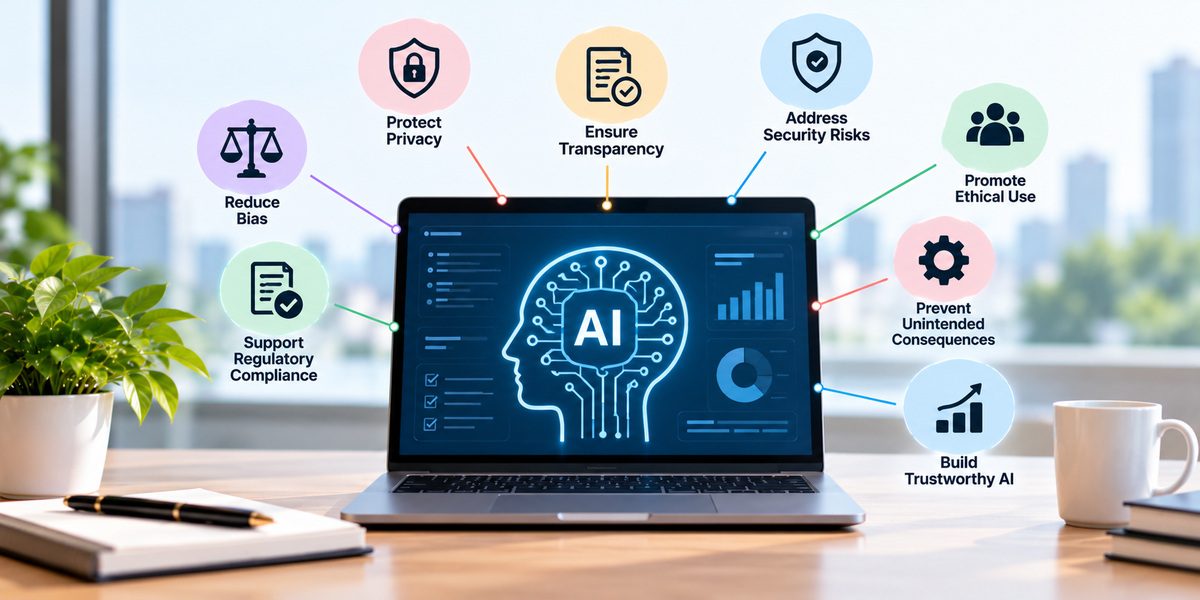
A responsible AI specialist helps ensure that artificial intelligence systems are developed and used in ethical, fair, transparent, and accountable ways. They work to identify and reduce risks such as bias, privacy concerns, security issues, and unintended consequences that could affect users or organizations. Their goal is to help create AI systems that are trustworthy, comply with regulations, and align with organizational values and societal expectations.
AI responsible specialists work in technology companies, government agencies, consulting firms, healthcare organizations, financial institutions, and other industries that use AI. They collaborate with AI engineers, data scientists, legal teams, compliance professionals, and business leaders to develop responsible AI practices and policies. Important skills for this role include critical thinking, communication, problem-solving, attention to detail, and a strong understanding of AI technologies and governance principles.
What does a Responsible AI Specialist do?
Duties and Responsibilities
A responsible AI specialist has a variety of duties and responsibilities focused on ensuring AI systems are developed and used in ethical, fair, transparent, and accountable ways.
- Responsible AI Framework Development: Create and maintain guidelines, policies, and frameworks that support the responsible use of AI. Help organizations establish standards for ethical AI development and deployment.
- Risk Assessment and Mitigation: Identify potential risks related to bias, privacy, security, fairness, and transparency in AI systems. Recommend strategies to reduce these risks and improve system reliability.
- AI Governance and Compliance: Ensure AI projects align with internal policies, industry standards, and regulatory requirements. Monitor compliance with responsible AI practices throughout the AI lifecycle.
- Bias and Fairness Evaluation: Assess AI systems for potential bias or unfair outcomes that could affect individuals or groups. Work with technical teams to improve fairness and reduce unintended impacts.
- Stakeholder Collaboration: Partner with AI engineers, data scientists, legal teams, compliance professionals, and business leaders to integrate responsible AI principles into projects and decision-making.
- Documentation and Reporting: Prepare reports, assessments, and recommendations related to AI risks and responsible AI practices. Communicate findings clearly to both technical and non-technical stakeholders.
Types of Responsible AI Specialists
Responsible AI specialists can focus on different areas depending on the types of AI systems they support and the specific risks and governance challenges they address.
- AI Ethics Specialist: Focuses on ensuring AI systems are developed and used in ways that align with ethical principles and societal values. Helps organizations address concerns related to fairness, accountability, and transparency.
- AI Governance Specialist: Develops policies, frameworks, and oversight processes that guide the responsible use of AI. Ensures AI initiatives follow organizational standards and regulatory requirements.
- AI Risk Management Specialist: Identifies, assesses, and mitigates risks associated with AI systems. Focuses on issues such as bias, security vulnerabilities, operational risks, and unintended consequences.
- AI Fairness and Bias Specialist: Evaluates AI systems for potential bias and unfair outcomes. Works with technical teams to improve fairness and promote equitable results.
- AI Compliance Specialist: Ensures AI systems comply with laws, regulations, industry standards, and internal policies. Helps organizations navigate evolving AI governance requirements.
- AI Transparency and Explainability Specialist: Focuses on making AI systems more understandable and interpretable. Develops approaches that help users and stakeholders understand how AI models make decisions.
Responsible AI specialists have distinct personalities. Think you might match up? Take the free career test to find out if responsible AI specialist is one of your top career matches. Take the free test now Learn more about the career test
What is the workplace of a Responsible AI Specialist like?
The workplace of a responsible AI specialist is typically found in technology companies, financial institutions, healthcare organizations, government agencies, consulting firms, and other organizations that use AI systems. They spend much of their time reviewing AI projects, assessing risks, developing policies, and helping teams implement responsible AI practices. Most of their work is performed in an office or remote environment using digital tools, reports, and governance frameworks.
Responsible AI specialists work closely with AI engineers, data scientists, legal professionals, compliance teams, cybersecurity experts, and business leaders. They participate in meetings, risk reviews, and project discussions to ensure AI systems are developed and deployed responsibly. Strong communication skills are important because they often explain complex AI risks and governance requirements to a variety of stakeholders.
The work is analytical, collaborative, and focused on problem-solving. Responsible AI specialists evaluate issues such as fairness, transparency, privacy, and regulatory compliance while helping organizations reduce potential risks. Because AI technologies and regulations continue to evolve, they regularly research emerging trends, monitor industry standards, and stay informed about new developments in responsible AI practices.
Frequently Asked Questions
Artificial Intelligence-Related Careers and Degrees
AI Careers
Technical & Engineering Roles
- AI Agent Developer
- AI Autonomous Systems Engineer
- AI Cloud Engineer
- Artificial Intelligence Engineer
- AI Infrastructure Engineer
- AI Integration Specialist
- AI Performance Engineer
- AI Platform Engineer
- AI Robotics Engineer
- AI Software Engineer
- AI Solutions Engineer
- AI Systems Engineer
- Computer Vision Engineer
- Edge AI Engineer
- Generative AI Engineer
- Machine Learning Engineer
- MLOps Engineer
- Multimodal AI Engineer
- Natural Language Processing (NLP) Engineer
- Synthetic Data Engineer
AI Product & Design Roles
- AI Accessibility Designer
- AI Creative Technologist
- AI Curriculum Designer
- AI Instructional Designer
- AI Interaction Designer
- AI Learning Experience Designer
- AI Personalization Engineer
- AI Product Designer
- AI Product Manager
- AI UX Designer
- AI Voice Interface Designer
- HAX (Human-AI Experience) Designer
AI Research & Data Roles
- AI Data Analyst
- AI Data Curator
- AI Data Scientist
- AI Evaluation Specialist
- AI Knowledge Engineer
- AI Prompt Scientist
- AI Research Analyst
- AI Research Scientist
AI Strategy, Management & Business Roles
- AI Business Analyst
- AI Change Manager
- AI Consultant
- AI Implementation Specialist
- AI Lifecycle Manager
- AI Product Evangelist
- AI Project Coordinator
- AI Strategist
- AI Workforce Transformation Specialist
AI Ethics, Policy & Governance Roles
- AI Bias Auditor
- AI Compliance Analyst
- AI Compliance Officer
- AI Data Privacy Specialist
- AI Ethics Specialist
- AI Explainability Specialist
- AI Governance Analyst
- AI Governance Specialist
- AI Policy Analyst
- AI Red Team Specialist
- AI Risk Manager
- AI Safety Researcher
- AI Security Specialist
- AI Trust & Safety Specialist
- Responsible AI Specialist
AI Content & Communication Roles
- AI Auditor
- AI Community Manager
- AI Content Writer
- AI Conversation Designer
- AI Literacy Specialist
- AI Localization Specialist
- AI Technical Writer
- AI Trainer
Generative & Creative AI Roles
Industry-Specific AI Roles
- AI Agriculture Specialist
- AI Cybersecurity Specialist
- AI Education Specialist
- AI Financial Specialist
- AI Gaming Specialist
- AI Healthcare Specialist
- AI Legal Specialist
- AI Manufacturing Specialist
- AI Marketing Specialist
- AI Retail Specialist
- AI Supply Chain Analyst
Degrees
Responsible AI Specialists are also known as:
Responsible Artificial Intelligence Specialist