What is a Club DJ?
A club DJ plays and mixes recorded music to create a smooth, continuous flow that keeps people dancing and engaged. By choosing the right tracks, adjusting tempo, and blending songs together, they help shape the energy and mood of a night. Music has a big impact on how people feel, and a skilled DJ can turn an ordinary event into something memorable. Many DJs stay up to date with current music trends while also knowing how to read a crowd and play what people enjoy.
Club DJs typically work in nightlife and entertainment settings such as nightclubs, music festivals, bars, and private events like parties or corporate functions. Their work environments can range from small local venues to large events with advanced sound and lighting systems. To succeed, they need a strong sense of rhythm, good musical knowledge, and the ability to read the room. They also rely on technical skills with DJ equipment and software, along with clear communication and professionalism when working with event staff and venue managers.
What does a Club DJ do?
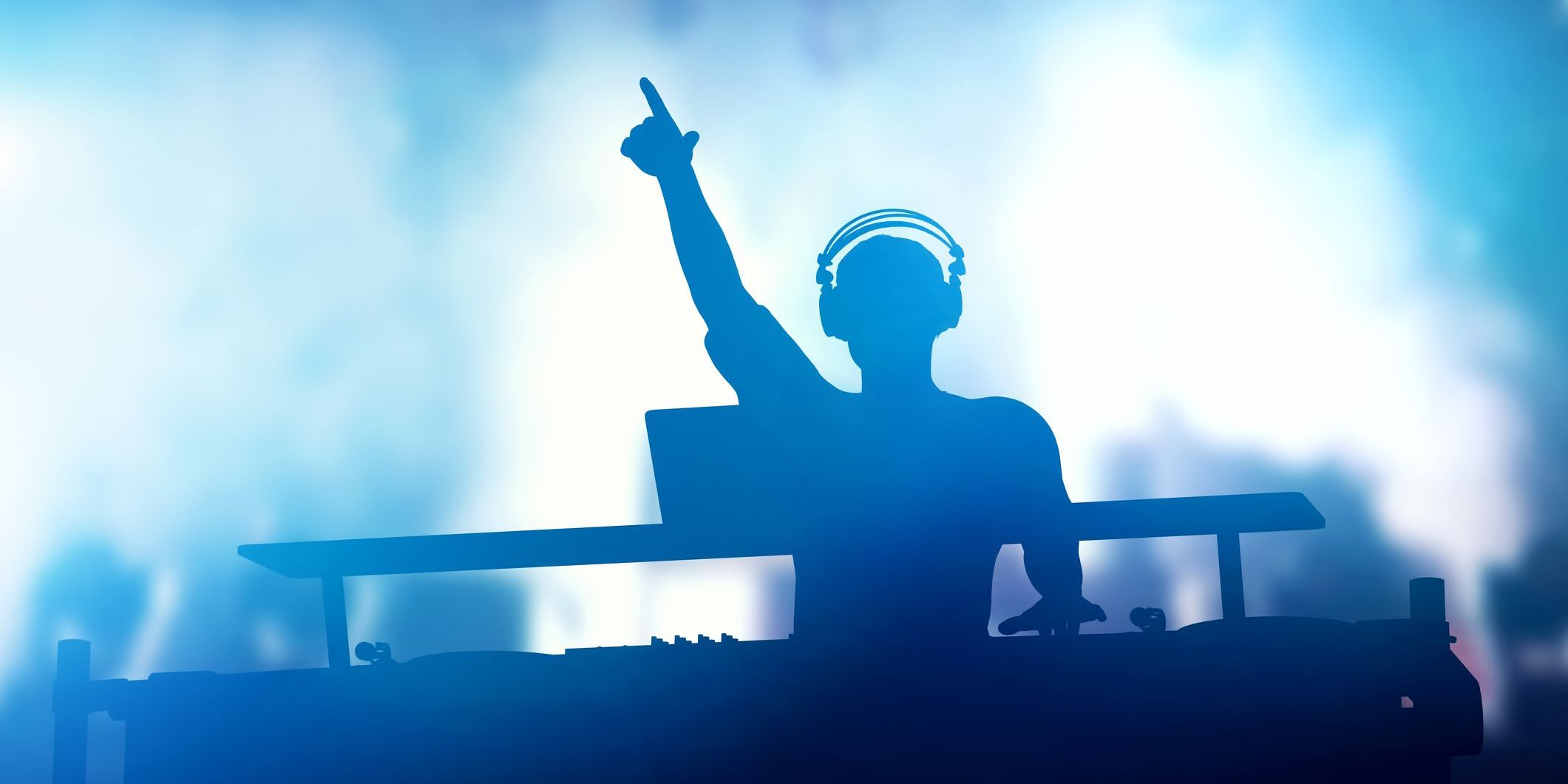
Duties and Responsibilities
The responsibilities of a club DJ center on creating a strong musical experience for guests while working within the needs of the venue or event.
- Music Selection and Set Planning: A club DJ chooses songs that fit the venue’s style and the crowd’s taste, often planning playlists or set lists in advance. This planning usually reflects the club’s brand and audience preferences so that the night feels consistent and engaging.
- Mixing and Beatmatching: A core task is blending tracks smoothly so that music flows without awkward pauses or breaks. This often involves beatmatching and using tools such as mixers, CDJs, turntables, and DJ software like Rekordbox or Serato to keep the tempo and transitions tight.
- Reading the Crowd and Adjusting: During a set, the DJ watches how people react and adjusts song choices to keep the dance floor active. This may mean changing genres, increasing energy, or slowing things down at certain times to match the mood in the room.
- Working with Venue Staff and Promoters: A club DJ often coordinates with managers, sound technicians, and promoters to plan show times, special events, and promotions. This collaboration helps align the music with event themes, opening and closing times, and any rules set by the club.
- Managing Schedules and Set Times: DJs usually follow fixed performance slots, such as opening, peak, or closing sets on specific nights. They are expected to arrive on time for sound checks, start and end sets at agreed times, and respect noise rules or local regulations.
- Operating and Maintaining Equipment: A club DJ sets up or checks DJ gear, including mixers, controllers, headphones, and sound systems, to make sure everything works properly before performing. They may also carry a laptop or USB drives with prepared music libraries and are responsible for handling equipment carefully and reporting any technical issues.
- Using DJ Software and Music Libraries: Many professionals organize and prepare music in digital libraries using software such as Rekordbox, Serato, Traktor, or VirtualDJ. These tools help with tasks like setting cue points, managing playlists, and matching keys and tempos for smoother sets.
- Following Venue Rules and Music Licensing: Club DJs are expected to respect venue policies about music volume, genre limits, and closing times. Venues typically handle music licensing, but DJs still need to follow any guidelines about what can be played and how long music can run.
- Promoting Shows and Building a Following: Many club DJs help promote their appearances through social media, event flyers, and collaborations with promoters. This can increase attendance at the club and help grow a personal brand over time.
- Staying Current with Music and Industry Trends: Regularly searching for new tracks, studying different genres, and following DJ culture is an important part of the job. Many DJs watch other performers, take workshops, or explore new software features so their skills and sets stay fresh.
Types of Club DJs
There are several well-known types of club DJs, and each one focuses on a slightly different setting or style within the wider DJ world.
- Resident DJ: A resident DJ performs regularly at the same venue, such as a nightclub, lounge, or resort, often as part of the staff. This role focuses on matching the music to the club’s identity over time and building a familiar experience for returning guests.
- Guest or Touring DJ: A guest DJ is invited to play at different clubs or events rather than working at only one venue. This type usually attracts people with a personal name or brand and often brings a signature style or sound to each event.
- Festival DJ: A festival DJ performs on large stages at music festivals and big events. The focus is often on high energy sets designed for big crowds, sometimes with visual effects and coordinated lighting.
- Mobile or Event DJ: A mobile DJ travels to various locations to perform at events such as parties, school dances, and corporate functions. This type usually provides its own sound and lighting equipment and adapts to many different audiences and venues.
- Radio DJ: A radio DJ selects and plays music for broadcast on radio or online stations and may also speak between songs. While mixing can still be part of the role, the main focus is on programming music for listeners who are not in the same physical space.
- Turntablist or Scratch DJ: A turntablist specializes in advanced techniques such as scratching, beat juggling, and live remixing on turntables or controllers. This type stands out by treating the turntable as an instrument and often performs in competitions or showcases as well as in clubs.
Club DJs have distinct personalities. Think you might match up? Take the free career test to find out if club DJ is one of your top career matches. Take the free test now Learn more about the career test
What is the workplace of a Club DJ like?
Club DJs usually work in lively environments like nightclubs, bars, and music venues with dance floors and professional sound systems. Their setup often includes DJ decks, a mixer, headphones, and a laptop or USB drives, along with monitors so they can hear their mix clearly while the main speakers face the crowd. Lighting, visuals, and effects like smoke machines add to the atmosphere, and the space can be loud, crowded, and high-energy, especially late at night. Many DJs also perform at private events, so their workplace can shift to places like hotel ballrooms, community halls, or outdoor stages with portable equipment.
Some parts of the job can be done outside the venue, offering a bit of flexibility. DJs often prepare music at home or in a personal studio, organizing playlists, practicing mixes, and updating their music using software like Rekordbox, Serato, Traktor, or VirtualDJ. They may also stream sets online or record mixes for digital platforms, allowing them to reach audiences remotely. Communication with venue staff and event organizers usually happens through email, messaging apps, or social media to confirm bookings and plan event details.
On a typical day, a club DJ may arrive early to check equipment, test sound levels, and get familiar with the space. During the event, they mix music, watch how the crowd responds, and adjust their set to keep the energy up. They regularly interact with staff such as sound and lighting technicians, security, and other DJs, making teamwork important. The role is social and energetic, often involving late nights and weekend work, with a mix of focused time performing and interacting with others.
Club DJs are also known as:
Club Disc Jockey