What is an Interaction Designer?
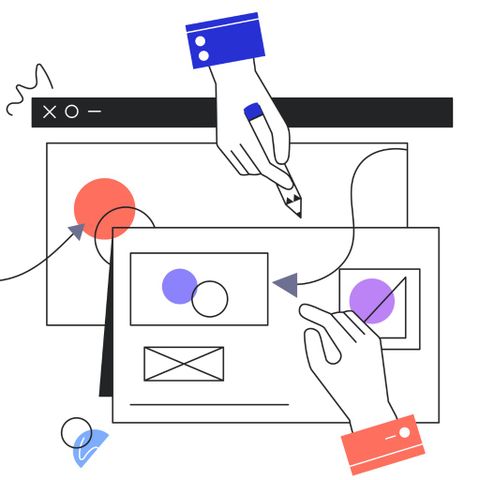
An interaction designer makes digital products easy and enjoyable to use. They focus on how people interact with apps, websites, or software, making sure buttons, menus, and other elements behave in a way that feels natural. Their goal is to make technology simple and intuitive so users can accomplish tasks without frustration.
Interaction designers also think about the overall user experience, not just how things look but how they work. They test designs, gather feedback, and work with developers and product teams to improve products. This career is great for people who enjoy problem-solving, being creative, and helping others use technology in a smooth and enjoyable way.
What does an Interaction Designer do?

Duties and Responsibilities
The duties and responsibilities of an interaction designer focus on creating intuitive, engaging, and effective user experiences across digital products. Their work involves understanding user needs, designing interactions, and collaborating with teams to bring ideas to life.
- Designing Interaction Flows: Plan how users move through a product, including navigation, inputs, and responses. Ensure flows are logical, intuitive, and meet user goals.
- Creating Wireframes and Prototypes: Build visual layouts and interactive prototypes to communicate design ideas. Test these prototypes to refine and improve usability.
- Conducting User Research: Gather insights through interviews, surveys, and usability testing. Use the data to inform design decisions and optimize the user experience.
- Collaborating with Teams: Work closely with UX designers, developers, and product managers. Ensure designs are technically feasible and align with business objectives.
- Maintaining Consistency: Develop and enforce design standards across a product. Ensure a cohesive look, feel, and interaction style for all users.
- Evaluating and Iterating Designs: Continuously assess how users interact with the product. Make improvements based on feedback, analytics, and changing user needs.
Types of Interaction Designers
While their core objective remains the same – designing intuitive and engaging user interactions – some interaction designers tailor their skills to suit specific platforms, devices, or user contexts. Here’s a look at the different types of these designers:
- UI (User Interface) Designer: Focuses on the visual elements of digital products, such as buttons, menus, and screens, to make interfaces intuitive and visually appealing.
- UX (User Experience) Designer: Concentrates on the overall experience of using a product, ensuring it’s easy, efficient, and satisfying for users.
- AI Interaction Designer: Designs how users interact with AI systems like chatbots, virtual assistants, or recommendation engines, focusing on natural and intuitive interactions.
- HAX (Human-AI Experience) Designer: Focuses on the broader experience of interacting with AI, including trust, transparency, ethics, and emotional impact.
- Voice Interaction Designer: Specializes in voice-based interfaces, such as smart speakers or virtual assistants, creating effective spoken interactions and dialogue flows.
- Multimodal Interaction Designer: Works on systems that combine multiple input and output methods—like voice, text, gestures, and visuals—to create seamless, integrated experiences.
Interaction designers have distinct personalities. Think you might match up? Take the free career test to find out if interaction designer is one of your top career matches. Take the free test now Learn more about the career test
What is the workplace of an Interaction Designer like?
The workplace of an interaction designer is a mix of creative and technical environments. Much of the work happens at a computer, designing interfaces, prototyping interactions, and testing how users engage with products. Designers often use specialized software to create wireframes, mockups, and interactive prototypes, and they may work from an office, remotely, or in collaborative studio spaces.
Collaboration is a major part of the job. Interaction designers frequently meet with UX designers, developers, product managers, and other team members to review designs, solve problems, and ensure that the product works well for users. They also spend time gathering feedback from users and conducting usability tests to refine and improve interactions.
The work environment is fast-paced and dynamic, as technology and user expectations are constantly evolving. Interaction designers need to stay updated on the latest design tools, trends, and best practices. It’s a great role for people who enjoy problem-solving, creativity, and making digital experiences intuitive, enjoyable, and effective for real users.
Frequently Asked Questions
Web Design-Related Careers and Degrees
Careers
- E-commerce Designer
- Front-End Developer
- Graphic Designer
- Interaction Designer
- Interactive Media Designer
- Motion Graphics Designer
- Responsive Web Designer
- UI Designer
- UX Designer
- Web Designer
- Web Developer
Degrees
- Computer Science
- Graphic Design
- Human-Computer Interaction
- Information Technology
- Interactive Media
- Multimedia Arts
- Web Design
Interaction Designers are also known as:
Interactive Designer