What is a Seamstress?
A seamstress works with clothing and fabric, creating, repairing, or adjusting garments so they fit properly and look their best. This can include hemming pants, taking in dresses, fixing zippers, or sewing custom pieces. Seamstresses often work with everyday clothing, formal wear, or specialty items like uniforms and costumes.
Many seamstresses work in tailoring shops, clothing stores, or from home, and their work is very hands-on and detail-focused. The job combines creativity with practical skills, and it often involves working closely with customers to understand their needs. For people who enjoy sewing and helping others feel comfortable and confident in their clothes, this can be a very rewarding career.
What does a Seamstress do?
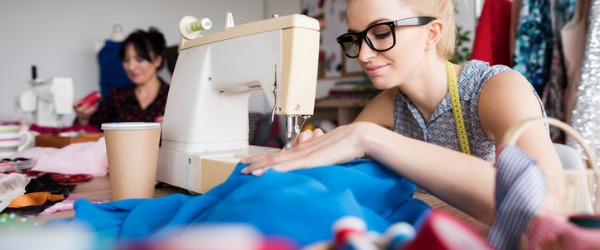
Duties and Responsibilities
The primary duties and responsibilities of a seamstress may vary depending on their specific job, industry, and employer. However, some general duties and responsibilities of seamstresses include:
- Garment Construction: Seamstresses assemble new clothing from patterns or designs, cutting fabric and sewing pieces together to create finished garments. This work requires precision to ensure proper fit, structure, and durability.
- Clothing Alterations: Adjusting existing garments by hemming, resizing, or reshaping them to fit the wearer better. These alterations help improve comfort, appearance, and confidence.
- Repairs and Mending: Fixing torn seams, broken zippers, missing buttons, or worn areas to restore garments. This allows clothing to be worn longer and keeps it looking presentable.
- Measurements and Fittings: Taking accurate body measurements and conducting fittings to check how garments sit on the body. This step ensures changes are correct before final stitching.
- Fabric and Material Handling: Selecting appropriate fabrics, threads, and notions for each project and understanding how different materials behave. Proper handling prevents damage and ensures high-quality results.
- Customer Communication: Discussing alteration needs, timelines, and costs with clients in a clear and friendly way. Good communication helps manage expectations and deliver satisfactory results.
Types of Seamstresses
There are various types of seamstresses, each specializing in different aspects of garment construction, alterations, or customization. Some common types of seamstresses include:
- Alteration Seamstress: Specializes in modifying existing garments to improve fit, style, or functionality. Works in alteration shops, department stores, or dry cleaners to hem, resize, repair, or replace elements of clothing.
- Bridal Seamstress: Focuses on creating or altering wedding dresses, bridesmaid dresses, and other bridal attire. Skilled in delicate fabrics and provides fittings, alterations, and customizations for a perfect fit.
- Costume Seamstress: Designs and constructs costumes for theater, film, cosplay, or events. Collaborates with designers and directors to bring characters or themes to life using various materials and techniques.
- Couture Seamstress: Creates high-quality, couture garments, often working with designers or fashion houses. Uses advanced skills in pattern drafting, draping, and sewing for custom or limited-edition pieces.
- Home Decor Seamstress: Makes custom window treatments, bedding, upholstery, and other soft furnishings. Works with interior designers or clients to design, sew, and install decorative and functional pieces.
- Tailor: Alters, repairs, and customizes garments to fit individual measurements and preferences. Works with a variety of fabrics using hand stitching and machine techniques to create stylish, well-fitted clothing.
What is the workplace of a Seamstress like?
Seamstresses may work in various settings, including traditional sewing studios, garment factories, alteration shops, bridal boutiques, costume shops, or home-based businesses. Each environment offers unique advantages and challenges, and the workplace atmosphere can differ significantly based on factors such as workload, equipment availability, and client interactions.
In a traditional sewing studio or garment factory, seamstresses typically work in a production-oriented environment, where they may be part of a team responsible for mass-producing garments or textile products. These settings often feature rows of sewing machines and workstations, where seamstresses work on assigned tasks such as stitching seams, attaching trims, or adding embellishments. The pace of work can be fast-paced and demanding, with strict deadlines and quality standards to meet.
In contrast, seamstresses who operate their own alteration or custom tailoring businesses may work in smaller, more intimate settings, such as home-based studios or boutique shops. These environments offer greater flexibility and autonomy, allowing seamstresses to work directly with clients and provide personalized services tailored to their needs. Seamstresses may meet with clients for fittings, consultations, or design sessions, and they may also handle administrative tasks such as scheduling appointments, managing inventory, and maintaining records.
Frequently Asked Questions
Seamstress vs Sewer
Seamstress and sewer are related, but they are not exactly the same.
Seamstress
A seamstress traditionally refers to someone, usually a woman, who sews garments and focuses on custom work, alterations, or dressmaking. This term is commonly associated with tailoring shops, bridal boutiques, and home-based businesses, emphasizing skill in garment construction, fitting, and finishing.
Sewer
A sewer is a gender-neutral term for someone who sews in a professional or industrial context, often in garment factories, upholstery production, or other manufacturing settings. This role typically involves following patterns, operating sewing machines, and producing items at scale, rather than creating custom or individually fitted clothing.