What is an Entertainment Reporter?
An entertainment reporter covers the latest news from movies, TV, music, theater, and other parts of popular culture. Their job is to keep fans in the know, whether it is a new movie release, a big award show, or an exclusive interview with a celebrity. They also spot trends, share behind-the-scenes stories, and help audiences understand how entertainment shapes culture and society. In short, they bring the world of entertainment to life for people who want to follow it closely.
Entertainment reporters work in all kinds of places including TV and radio stations, online news sites, magazines, and streaming platforms. To do the job well, you need strong writing and communication skills, curiosity, and the ability to find and check facts quickly. Hands-on experience such as writing for a student paper, contributing to a local blog, or interning at a media outlet is a huge plus. Knowing about media ethics, social trends, and digital tools also helps reporters tell stories that are accurate, engaging, and shareable.
What does an Entertainment Reporter do?
Duties and Responsibilities
The work of an entertainment reporter is centered on finding, verifying, and sharing stories from the entertainment industry in an engaging and accurate way.
- Research: An entertainment reporter researches stories about film, music, television, and other media. This includes reading press releases, attending events, and using databases or social media to confirm facts and spot new trends.
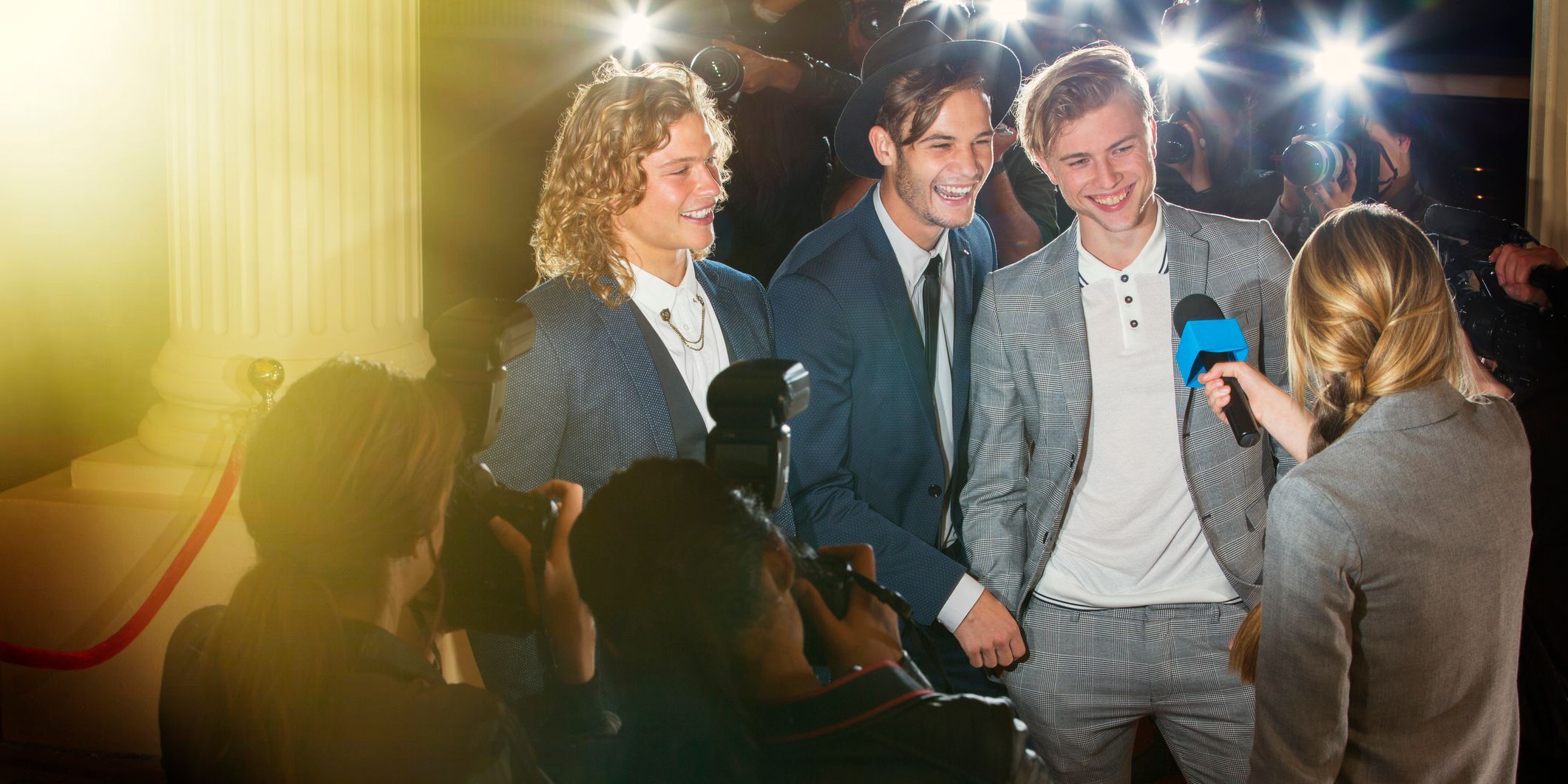
- Interviewing: Conducting interviews with actors, musicians, directors, and other industry professionals is a major part of the job. These conversations help provide fresh insights and unique details for articles, broadcasts, or online posts.
- Writing and Reporting: Reporters write articles, scripts, or digital pieces that inform and entertain audiences. They often use publishing tools such as WordPress or newsroom software to meet daily or weekly deadlines.
- Collaboration: Many entertainment reporters work closely with editors, photographers, videographers, and digital content teams. Teamwork ensures stories are accurate, visually appealing, and ready for various platforms.
- Attending Events: Reporters often cover film premieres, music festivals, and award shows to gather firsthand information. These events provide access to interviews, press materials, and opportunities for live reporting using video or mobile devices.
- Staying Updated: Because the entertainment world changes quickly, ongoing learning is essential. Reporters often follow industry publications like Variety and The Hollywood Reporter and may take courses on digital media or multimedia storytelling through groups like the Society of Professional Journalists.
- Compliance and Ethics: Reporters must follow media laws and ethical guidelines when publishing stories. This includes verifying sources, respecting embargo dates, and meeting standards set by professional organizations such as the Society of Professional Journalists.
Types of Entertainment Reporters
Entertainment reporting includes several specializations that focus on different areas of the industry and different ways that audiences learn about and experience entertainment.
- Film Reporter: Film reporters cover news about movies, directors, actors, and film festivals. This reporter focuses on movie releases, box office performance, and trends in cinema production.
- Television Reporter: Television reporters report on TV shows, streaming series, and broadcasting networks. The focus is often on program reviews, ratings updates, and behind-the-scenes developments.
- Music Reporter: Music reporters focus on recording artists, concerts, and the music business. They often cover album releases, interviews performers, and analyzes cultural or industry shifts.
- Celebrity Reporter: Celebrity reporters follow the lives and careers of well-known public figures. The role centers on providing accurate information about personal and professional updates while maintaining ethical reporting standards.
- Theater and Arts Reporter: Theater and arts reporters cover live performances, stage productions, and cultural events. Work often involves reviewing shows, interviewing playwrights, and discussing trends in performing arts.
- Digital Entertainment Reporter: Digital entertainment reporters focus on online content such as social media influencers, streaming platforms, and gaming. This reporter explores how digital technology shapes entertainment and audience habits.
Entertainment reporters have distinct personalities. Think you might match up? Take the free career test to find out if entertainment reporter is one of your top career matches. Take the free test now Learn more about the career test
What is the workplace of an Entertainment Reporter like?
The workplace of an entertainment reporter can look very different depending on the media outlet and the reporter’s role. Many work in busy newsrooms, TV or radio studios, or digital media offices alongside editors, producers, and other journalists. Things can get fast-paced and exciting, especially when there’s breaking news or a big event to cover. Workstations usually have computers, editing software, and media tools that help reporters track the latest stories and meet deadlines.
Many entertainment reporters also enjoy flexible work options, which let them write or research from different locations. Remote work is common, especially for those at online outlets. Reporters use tools like email, Slack, Zoom, and newsroom management systems to collaborate with editors, organize stories, and share updates. When out on assignment, they rely on smartphones, cameras, and recorders to capture interviews and event coverage quickly and accurately.
A typical day often starts by checking industry news, followed by team meetings to plan the day’s stories. Reporters may spend time writing articles, editing videos, or preparing questions for interviews. The work environment is usually energetic, creative, and full of collaboration, all focused on telling stories that connect audiences with the entertainment world.
Frequently Asked Questions
Writing and Journalism-Related Careers and Degrees
Writing Careers
- Academic Writer
- Author
- Blogger
- Children's Author
- Content Editor
- Content Marketing Strategist
- Content Strategist
- Content Writer
- Copy Editor
- Copywriter
- Developmental Editor
- Educational Content Creator
- Fiction Writer
- Food Critic
- Ghostwriter
- Grant Writer
- Librettist
- Line Editor
- Literary Agent
- Lyricist
- Managing Editor
- Music Critic
- Nonfiction Writer
- Playwright
- Poet
- Screenwriter
- Script Coordinator
- Self-Published Author
- SEO Writer
- Showrunner
- Speechwriter
- Sports Writer
- Staff Writer
- Story Editor
- Technical Editor
- Technical Writer
- Television Writer
- Travel Writer
- Writer
Journalism Careers
- Business Journalist
- Business Reporter
- Correspondent
- Editor
- Entertainment Journalist
- Entertainment Reporter
- Feature Writer
- Investigative Journalist
- Investigative Reporter
- Journalist
- News Anchor
- News Reporter
- Photojournalist
- Political Journalist
- Political Reporter
- Sports Journalist
- Sports Reporter
Degrees
- Broadcast Journalism
- Children's Literature
- Creative Writing
- English
- Journalism
- Literature
- Screenwriting
- Songwriting
- Technical Writing
- Writing
Entertainment Reporter vs Entertainment Journalist
When people talk about covering movies, music, or celebrity news, the terms entertainment reporter and entertainment journalist are often used interchangeably, but they describe different roles. Both work in entertainment media, but their focus, responsibilities, and daily work can vary.
An entertainment reporter focuses on gathering facts, quotes, and updates about celebrities, events, and entertainment projects and delivering them quickly and accurately to an audience. They cover premieres, concerts, award shows, interviews, and breaking entertainment news for newspapers, TV, radio, or digital platforms. The emphasis is on reporting what is happening in entertainment clearly and on time. Most entertainment reporters enter the field with a degree or diploma in journalism, communications, media studies, or related programs, and gain experience through internships, student media, or covering local events.
An entertainment journalist, on the other hand, often works more broadly and may include in-depth features, analysis, or investigative reporting. They explore trends in media, film or music criticism, profiles of entertainers, or behind-the-scenes stories. Entertainment journalists spend more time researching, analyzing, and interpreting stories rather than just reporting immediate facts. For education, they often have degrees in journalism, media studies, or communications, and may pursue additional training in writing, criticism, or digital storytelling to support richer, analytical work.
In short, an entertainment reporter is primarily on the front lines of coverage, capturing facts and events as they happen, while an entertainment journalist often takes a deeper, analytical approach to tell richer stories about the entertainment world. Both roles are important, and the choice depends on whether someone enjoys fast-paced reporting of breaking news or research-driven storytelling and analysis.
Entertainment Reporters are also known as:
Showbiz Reporter
Entertainment Correspondent