What is a Forklift Operator?
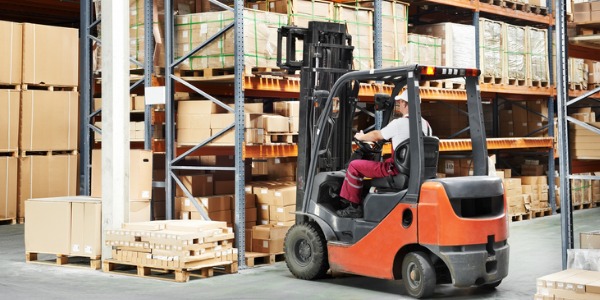
A forklift operator handles a forklift, a specialized vehicle designed to lift, move, and transport heavy materials over short distances. They typically work in environments like warehouses, factories, and shipping yards, where moving large or bulky items safely is important.
The role requires skill and focus, as operating a forklift involves precision and attention to safety. Forklift operators need to be alert, steady, and comfortable working around other people and machinery in busy workspaces.
What does a Forklift Operator do?
Duties and Responsibilities
The duties and responsibilities of a forklift operator involve safely and efficiently moving and organizing materials within warehouses, production areas, and distribution centers. Key responsibilities include:
- Operating the Forklift: Forklift operators are responsible for maneuvering forklifts to transport materials efficiently and safely. They ensure all lifts, turns, and stacks are performed with precision and care.
- Loading and Unloading: Operators handle the loading and unloading of materials from trucks, shelves, or storage areas. Proper balancing and securing of loads is essential to prevent damage or accidents.
- Material Handling: Forklift operators move and organize materials within warehouses, production areas, or distribution centers. They maintain orderly storage and accurate tracking of inventory.
- Inspecting and Maintaining the Forklift: Operators conduct pre-shift inspections to confirm the forklift is in proper working condition. They also perform routine maintenance tasks or report issues to ensure reliable operation.
- Following Safety Protocols: Safety is a top priority in all forklift operations. Operators adhere to protective measures and workplace guidelines to minimize risks during material handling.
- Communication and Documentation: Operators coordinate with supervisors, colleagues, and drivers to ensure smooth workflow. They document inventory movements, completed tasks, and any incidents as required.
Types of Forklift Operators
There are various types of forklift operators, each specializing in operating specific forklifts or working in particular environments. Some common types of forklift operators include:
- Warehouse Forklift Operators: Warehouse forklift operators work in distribution centers, warehouses, or storage facilities. They handle the movement of goods and materials within the warehouse, loading and unloading trucks, and organizing inventory.
- Construction Forklift Operators: Construction forklift operators work on construction sites, assisting in moving heavy construction materials and equipment. They may operate rough-terrain forklifts or telescopic handlers designed for outdoor and uneven terrain.
- Industrial Forklift Operators: Industrial forklift operators work in manufacturing plants, factories, or industrial settings. They move materials, components, or finished products within production areas, often using specialized forklifts such as reach trucks or order pickers.
- Dockyard or Port Forklift Operators: Dockyard or port forklift operators work in ports, harbors, or dockyards. They handle the loading and unloading of cargo from ships, trucks, or containers, often using large-scale forklifts like container handlers or straddle carriers.
- Retail Forklift Operators: Retail forklift operators are employed in retail settings such as home improvement stores or distribution centers. They manage inventory movement and organization to ensure products are available for customers or store shelves.
- Cold Storage Forklift Operators: Cold storage forklift operators work in refrigerated or frozen storage facilities. They are trained to operate forklifts in low-temperature environments and handle materials that require specific temperature control.
What is the workplace of a Forklift Operator like?
The workplace of a forklift operator is typically busy and fast-paced, with forklifts, pallets, and materials moving throughout the area. Operators work alongside colleagues to ensure tasks are completed efficiently, making awareness and attentiveness essential at all times.
The environment can vary depending on the industry. In warehouses, operators often work indoors among organized aisles and high shelving. On construction sites or in dockyards, the setting is more open and outdoors, with uneven terrain, trucks, and heavy equipment in operation.
Safety is a central focus in any forklift workspace. Operators follow established safety protocols and wear protective equipment to reduce risks. While the work can be dynamic and noisy, clear communication and teamwork help maintain an efficient and productive environment.
Frequently Asked Questions
Construction and Trade-Related Careers and Degrees
Careers
- Building Inspector
- Carpenter
- Concrete Worker
- Construction Engineer
- Construction Manager
- Construction Worker
- Drywall Installer
- Electrician
- Forklift Operator
- Heavy Equipment Operator
- HVAC Technician
- Ironworker
- Mason
- Painter
- Paving Stone Installer
- Pipefitter
- Pipelayer
- Plasterer
- Plumber
- Rigger
- Roofer
- Sheet Metal Worker
- Steamfitter
- Stone Cutter
- Tile and Marble Setter
- Welder
Degrees
- Building Inspection
- Carpentry
- Construction Engineering
- Construction Management
- Electrical Engineering Technology
- Electrical Technology
- Heavy Equipment Operation
- Masonry
- Plumbing
- Refrigeration, Air Conditioning, Heating and Gas Technology
- Welding
Forklift Operators are also known as:
Forklift Driver
Fork lift Operator