What is a Restaurant Cook?
A restaurant cook prepares and cooks food in a restaurant or other dining establishment. They follow recipes, handle ingredients, and use kitchen equipment to make meals for customers. Their work can include chopping vegetables, cooking meat, baking, frying, and assembling dishes, depending on the type of restaurant. Cooks need to make sure the food tastes good, is cooked safely, and is presented nicely.
In addition to cooking, restaurant cooks often help keep the kitchen clean and organized. They may check inventory, store ingredients properly, and make sure kitchen tools are sanitized. Cooks usually work as part of a team, communicating with other kitchen staff and servers to ensure orders are prepared on time. This job requires attention to detail, the ability to work quickly under pressure, and a basic understanding of food safety and hygiene.
What does a Restaurant Cook do?
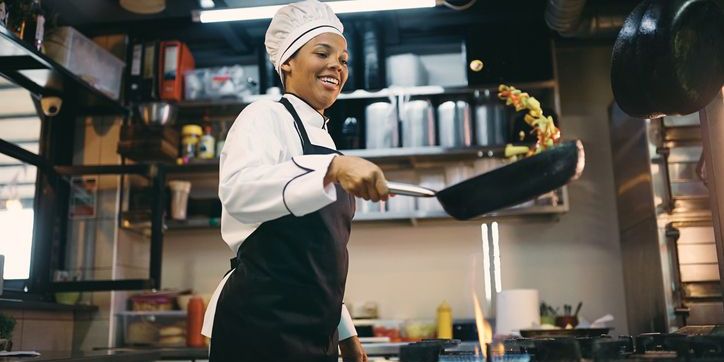
Duties and Responsibilities
Restaurant cooks have a range of duties and responsibilities aimed at ensuring the smooth operation of the kitchen and the timely preparation of high-quality dishes. Some of these duties include:
- Food Preparation: Restaurant cooks are responsible for preparing ingredients, including washing, cutting, and chopping vegetables, portioning meats and seafood, and measuring out spices and seasonings according to recipes.
- Cooking: Restaurant cooks execute cooking techniques such as grilling, sautéing, frying, roasting, baking, and steaming to prepare a variety of menu items, including appetizers, entrees, side dishes, and desserts. They must ensure that dishes are cooked to the appropriate temperature, texture, and doneness level while adhering to food safety and sanitation standards.
- Menu Execution: Restaurant cooks work closely with the head chef or kitchen manager to execute the menu and maintain consistency in taste, portion sizes, and presentation of dishes. They follow recipes and plating guidelines to ensure that each dish meets the restaurant's standards and exceeds customer expectations.
- Kitchen Organization: Restaurant cooks help maintain a clean, organized, and efficient kitchen environment by following proper storage procedures, rotating stock, and cleaning equipment, utensils, and workstations. They may also assist with inventory management, restocking ingredients, and ordering supplies as needed to support kitchen operations.
- Collaboration: Restaurant cooks collaborate with other kitchen staff, including sous chefs, line cooks, prep cooks, and dishwashers, to coordinate cooking times, communicate orders, and ensure smooth workflow during peak dining hours. They must work well under pressure and effectively communicate with team members to minimize errors and maximize efficiency.
- Quality Control: Restaurant cooks are responsible for inspecting food items for freshness, quality, and adherence to recipe specifications before serving them to customers. They may taste dishes for seasoning adjustments and visually inspect plates for presentation standards before they are sent out to the dining area.
Types of Restaurant Cooks
Within the culinary industry, there are various types of restaurant cooks, each specializing in different areas of food preparation and culinary techniques. Here are some common types of restaurant cooks:
- Culinary Chef: Culinary chefs oversee kitchen operations, create menus, and lead a team of kitchen staff to deliver high-quality dining experiences. Culinary chefs use their expertise in culinary techniques, flavor profiles, and food presentation to delight diners and ensure that each dish meets the restaurant's standards of excellence.
- Pastry Chef: Pastry chefs specialize in preparing desserts, pastries, and baked goods for the restaurant's menu. They have advanced skills in baking, pastry making, and dessert decoration, and may create a variety of sweet treats such as cakes, pies, tarts, cookies, and chocolates. Pastry chefs work closely with the culinary team to coordinate dessert offerings and ensure that sweet endings are a highlight of the dining experience.
- Prep Cook: Prep cooks focus on preparing ingredients and prepping food items before service begins. They perform tasks such as washing, peeling, and chopping vegetables, portioning meats and seafood, marinating proteins, making sauces and dressings, and assembling ingredients for menu items. Prep cooks play a vital role in ensuring that the kitchen is well-stocked and organized for service, allowing line cooks to focus on cooking during peak hours.
- Line Cook: Line cooks work on the "hot line" in the kitchen, responsible for preparing and cooking dishes to order during service. They work under pressure to ensure that orders are prepared accurately and efficiently, following recipes and plating guidelines provided by the chef or kitchen manager. Line cooks may specialize in specific stations, such as grill, sauté, fry, or expo, depending on the restaurant's menu and kitchen setup.
- Sous Chef: Sous chefs are second in command in the kitchen, assisting the head chef or executive chef with menu planning, recipe development, and kitchen management. They supervise kitchen staff, oversee food preparation, and ensure that dishes are prepared to the highest standards of quality and consistency. Sous chefs may also step in to fill in for line cooks or oversee specific stations during busy periods.
- Grill Cook: Grill cooks, also known as grill chefs or grillmasters, specialize in cooking meats, seafood, and vegetables on a grill or barbecue. They have expertise in grilling techniques, such as searing, smoking, and charbroiling, to achieve optimal flavor and texture. Grill cooks may be responsible for preparing grilled entrees, burgers, steaks, kebabs, and other grilled specialties for the restaurant's menu.
- Saute Cook: Saute cooks, also known as sauciers or saute chefs, specialize in cooking dishes in a sauté pan or skillet over high heat. They use techniques such as sautéing, stir-frying, and pan-searing to cook proteins, vegetables, and pasta dishes to order. Saute cooks are skilled at building flavors, deglazing pans, and finishing dishes with sauces and garnishes.
What is the workplace of a Restaurant Cook like?
The workplace of a restaurant cook is usually a busy, lively kitchen, the heart of the restaurant. This is where cooks spend most of their time preparing and cooking food, following recipes and customer orders. Kitchens come in all shapes and sizes, and the equipment and setup may vary, but everything is designed to help the team work efficiently and get meals out quickly.
Cooks rarely work alone. They team up with sous chefs, line cooks, prep cooks, and dishwashers, forming a close-knit group that keeps the kitchen running smoothly. Good communication is key: cooks coordinate cooking times, share tools, and help each other during the rush. Even though it can get hectic, kitchens often have a strong sense of camaraderie, with everyone pulling together to get the job done.
Working in a kitchen can be fast-paced and physically demanding. Cooks need to move quickly, stay focused, and follow strict food safety and sanitation rules. At the same time, it’s a place to get creative—experimenting with flavors, perfecting presentation, and showing off culinary skills. For many, the kitchen is both challenging and rewarding, full of energy, teamwork, and the chance to make great food that people love.
Frequently Asked Questions
Culinary-Related Careers and Degrees
Careers
- Baker
- Banquet Chef
- Butcher
- Caterer
- Chef Tournant
- Chocolatier
- Culinary Chef
- Executive Chef
- Food and Beverage Manager
- Food Critic
- Food Stylist
- Garde Manger
- Grill Chef
- Line Cook
- Pastry Chef
- Personal Chef
- Recipe Developer
- Research Chef
- Restaurant Cook
- Restaurant Manager
- Restaurant Sommelier
- Saucier Chef
- Sous Chef
- Sushi Chef
- Vegetable Chef
- Wedding Cake Designer
Degrees