
What is a DJ?
A DJ (disc jockey) plays and mixes music for an audience. Instead of performing songs live with instruments, a DJ selects tracks and blends them together to create a continuous flow of music. They use equipment like turntables, controllers, or software to adjust tempo, match beats, and transition smoothly between songs so the music never feels interrupted.
DJs work in many settings, including clubs, parties, weddings, radio stations, and festivals. A big part of the job is reading the crowd and choosing music that fits the mood, whether that means keeping people dancing or creating a relaxed atmosphere. Good DJs combine music knowledge, technical skill, and a sense of timing to create an enjoyable and memorable experience for listeners.
What does a DJ do?
Duties and Responsibilities
Being a DJ is more than just playing songs—it’s about creating a fun and memorable experience for the audience. Here’s a closer look at their key duties and responsibilities:
- Music Selection: Choosing the right songs based on the event, audience, and overall mood. This requires understanding different genres and what keeps people engaged.
- Mixing & Beatmatching: Blending tracks smoothly so the music flows without awkward breaks. This involves matching tempo, rhythm, and transitions between songs.
- Reading the Crowd: Watching how the audience responds and adjusting the music in real time. A good DJ keeps energy levels up by playing what the crowd reacts to best.
- Equipment Setup & Operation: Setting up and testing gear like turntables, controllers, speakers, and software before the event. They also manage sound quality during the performance.
- Event Coordination: Working with event planners, hosts, and other vendors to match the music to the event schedule and vibe. This helps everything run smoothly from start to finish.
- Playlist Preparation: Planning sets or playlists ahead of time while staying flexible for requests and changes. Preparation helps avoid downtime and keeps the flow consistent.
- Adaptability & Problem-Solving: Handling unexpected issues like technical problems or sudden changes in the event. Quick thinking ensures the music continues without disruption.
Types of DJs
Here are the most common types of DJs, each with a distinct role and style within the music industry:
- Club DJ: Club DJs perform in nightclubs and bars, mixing popular genres like EDM, hip-hop, and pop to keep the crowd engaged. They focus on reading the audience and creating a seamless, high-energy flow of music throughout the night.
- Mobile DJ: Mobile DJs play at events such as weddings, corporate functions, and private parties, often bringing their own sound and lighting equipment. They adapt their playlists to suit different audiences, balancing requests with crowd-pleasing tracks.
- Radio DJ: Radio DJs host shows on radio stations, playing music and speaking between songs to entertain listeners. They follow a set format based on the station’s style and may also conduct interviews or share news and updates.
- Producer DJ: Producer DJs create original music using digital tools and often perform their own tracks in live sets. Their work blends music production with performance, helping them build a unique sound and personal brand.
- Turntablist: Turntablists specialize in advanced vinyl techniques like scratching, beat juggling, and cutting. They often perform in competitions or showcases that highlight technical skill and creativity.
- Festival DJ: Festival DJs perform at large-scale events and music festivals, often in front of massive crowds. Their sets are typically high-energy and may include visuals, effects, and original productions to create a memorable experience.
What is the workplace of a DJ like?
The workplace of a DJ can vary depending on the type of gigs they perform. Many DJs work in nightclubs, bars, or music festivals, where the environment is fast-paced and high-energy. Others perform at private events like weddings or corporate parties, which may require a more controlled and personalized approach. Regardless of the setting, DJs need to stay focused while managing equipment and keeping the music flowing smoothly.
Collaboration is also a key part of the job. DJs often work with event planners, hosts, lighting and sound technicians to make sure the music, visuals, and overall atmosphere fit the event. They may also coordinate with other performers, such as live musicians or singers, to create seamless transitions and keep the audience engaged.
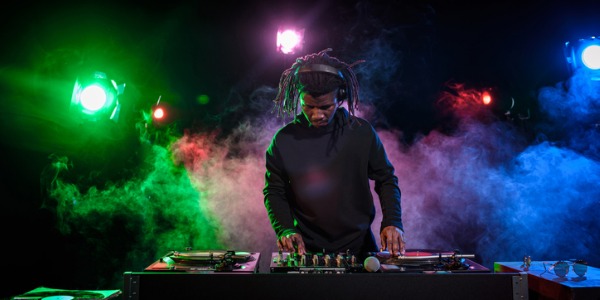
Live performances are the most exciting part of a DJ’s workplace. DJs use turntables, mixers, or digital controllers to blend tracks, adjust tempo, and create special effects in real time. They constantly read the crowd, adjusting their music selection to maintain energy and engagement. The environment can be loud, fast-paced, and sometimes unpredictable, but it’s also rewarding to see people enjoying the music you’ve created.
Frequently Asked Questions
Performing-Related Careers and Degrees
Careers
- Acrobat
- Actor
- Aerialist
- Athlete
- Cabaret Performer
- Character Actor
- Circus Performer
- Clown
- Comedian
- Commercial Actor
- Conductor
- Contortionist
- Dancer
- DJ
- Drag Performer
- Film Actor
- Fire Breather
- Improv Actor
- Influencer
- Juggler
- Magician
- Method Actor
- Model
- Motivational Speaker
- Music Artist
- Musician
- Performer
- Session Musician
- Singer
- Stage Actor
- Stage Manager
- Stilt Walker
- Stuntman
- Talk Show Host
- Theatrical Director
- Tightrope Walker
- Trapeze Artist
- Ventriloquist
- Voice Actor
Degrees
- Acting
- Cinema Studies
- Fine Arts
- Music
- Music Theory and Composition
- Songwriting
- Theatre Arts
- Visual and Performing Arts
Pros and Cons of Being a DJ
As a DJ, you have the power to control the energy and mood of a room full of people through music. It can be a thrilling experience to see a crowd dancing and enjoying the music you are playing. However, like any profession, there are pros and cons to consider:
Pros:
- Creativity: As a DJ, you have the ability to create unique mixes and blends that showcase your creative talents. This can be incredibly rewarding, especially when you see people enjoying your creations.
- Flexibility: DJing is a highly flexible career, allowing you to set your own hours and schedule. You can choose to work at nightclubs, weddings, parties, or other events, and can often make a good living doing so.
- Social connections: DJing allows you to meet and network with other professionals in the industry, such as event planners, promoters, and other DJs. This can open up new opportunities for gigs and collaborations.
Cons:
- Long hours: DJing often involves working late into the night or early morning hours, which can be physically and mentally exhausting. This can also impact your personal life and relationships.
- Competition: The DJ industry can be highly competitive, with many talented individuals vying for the same gigs and opportunities. This can make it challenging to break into the industry and establish a successful career.
- Equipment costs: DJing requires specialized equipment, which can be expensive to purchase and maintain. This can be a significant financial investment, especially when you are just starting out.
DJs are also known as:
Disc Jockey