
What is a Marine Engineer?
A marine engineer designs, builds, and maintains the mechanical systems used on ships, boats, and other marine vessels. They work on everything that keeps a vessel running smoothly, from engines and propulsion systems to power generation, pumps, and steering controls. Marine engineers combine knowledge of mechanical, electrical, and ocean engineering to ensure vessels operate safely and efficiently in marine environments.
They also play an important role in ship maintenance and repair, troubleshooting mechanical problems, performing regular inspections, and ensuring compliance with safety and environmental regulations. Some marine engineers work in shipyards or design offices, while others spend time at sea monitoring systems in real time. Their work helps ensure vessels remain reliable, energy-efficient, and seaworthy.
What does a Marine Engineer do?
Duties and Responsibilities
Marine engineers have a wide range of responsibilities related to the design, construction, maintenance, and operation of marine vessels and their systems. Here are the key aspects of their roles:
- Design and Development: Work with naval architects and other engineers to design and develop ships, offshore platforms, and marine systems. Select suitable materials and components that meet performance, safety, and durability requirements for marine environments.
- Propulsion and Power Systems: Design, install, and maintain propulsion systems such as engines, propellers, and generators. Focus on optimizing performance, fuel efficiency, and compliance with environmental and safety regulations.
- Mechanical and Electrical Systems: Oversee the installation and maintenance of mechanical and electrical systems, including HVAC, hydraulics, lighting, communication, and power distribution. Troubleshoot and repair systems to keep operations running smoothly.
- Maintenance and Repairs: Plan and manage regular maintenance schedules for marine equipment and systems. Perform inspections, identify potential issues, and coordinate repairs or upgrades to prevent downtime.
- Safety, Environmental, and Regulatory Compliance: Ensure all vessel operations meet safety, environmental, and maritime regulatory standards. Conduct risk assessments, implement safety procedures, and maintain compliance with organizations such as the U.S. Coast Guard and international maritime authorities.
- Documentation and Project Management: Keep accurate records of maintenance, repairs, and system specifications. Prepare reports and manage engineering projects, including budgeting and coordination with contractors and technical teams.
Types of Marine Engineers
Marine engineering is a diverse field that encompasses various specializations depending on the specific aspects of marine technology and systems. Here are some types of marine engineers, each with its focus and expertise:
- Naval Architect: Designs ships, boats, and offshore structures, focusing on hull form, stability, and hydrodynamics to ensure vessels are safe, efficient, and seaworthy.
- Marine Systems Engineer: Oversees the integration of all onboard systems, including propulsion, electrical, hydraulic, and automation, ensuring they operate efficiently together.
- Marine Propulsion Engineer: Specializes in designing, installing, and maintaining ship propulsion systems, such as engines, turbines, propellers, and thrusters, optimizing performance and fuel efficiency.
- Marine Electrical Engineer: Focuses on electrical systems aboard vessels, including power generation, distribution, and automation systems, ensuring safe and reliable operation.
- Marine Mechanical Engineer: Works on mechanical systems like HVAC, hydraulics, and refrigeration, designing, installing, and maintaining these systems for smooth vessel operations.
- Marine Environmental Engineer: Concentrates on minimizing the environmental impact of marine operations, including pollution prevention, waste management, and sustainability initiatives.
What is the workplace of a Marine Engineer like?
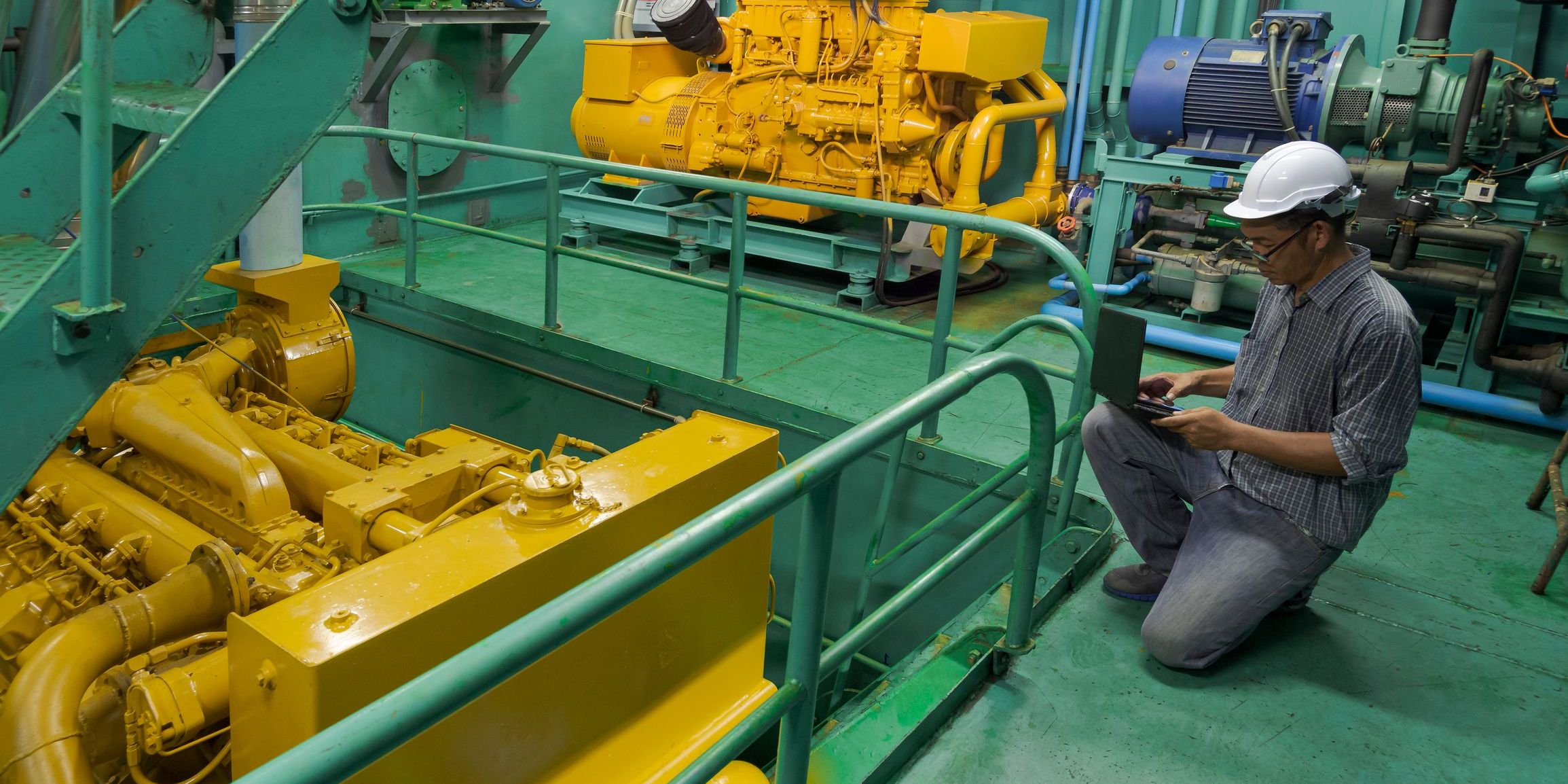
A marine engineer’s workplace can vary depending on whether they work on a ship, offshore platform, or in a design office on land. Onboard vessels, the workplace is a combination of engine rooms, control rooms, and mechanical spaces filled with engines, generators, pumps, and piping systems. It is often noisy, warm, and confined, so marine engineers must work carefully and follow strict safety procedures.
On offshore platforms or larger commercial ships, marine engineers often work in more structured environments with specialized workshops and laboratories. Here, they perform maintenance, repairs, and system testing. Engineers spend time monitoring mechanical, electrical, and propulsion systems, troubleshooting issues, and coordinating with other crew members or technicians to keep everything running smoothly.
Marine engineers who work onshore in design or project offices have a very different environment. They focus on planning, designing, and testing marine systems, often using computer modeling and simulation tools. While less physically demanding than shipboard work, these roles still require collaboration with naval architects, mechanical engineers, and other specialists to ensure vessels and offshore structures are safe, efficient, and seaworthy.
Frequently Asked Questions
Engineering-Related Careers and Degrees
Careers
Agriculture & Environmental
- Agricultural Engineer
- Coastal Engineer
- Environmental Engineer
- Geothermal Engineer
- Hydrogen Engineer
- Nuclear Engineer
- Renewable Energy Engineer
- Solar EngineerEngineer
- Water Engineer
- Water Resources Engineer
- Wind Energy Engineer
Architecture & Construction
- Architectural Engineer
- Civil Engineer
- Civil Engineering Technician
- Construction Engineer
- Geotechnical Engineer
- Structural Engineer
- Urban Planning Engineer
Audio, Video & Media
- Audio Engineer
- Broadcast Engineer
- Digital Design Engineer
- Digital Remastering Engineer
- Game Audio Engineer
- Live Sound Engineer
- Mastering Engineer
- Mixing Engineer
- Recording Engineer
Automotive & Electric Vehicles
Aerospace & Aviation
Biomedical & Biochemical
Chemical & Materials
- Chemical Engineer
- Fuel Cell Engineer
- Fuel Cell Technician
- Mining and Geological Engineer
- Nanotechnology Engineer
- Nanosystems Engineer
- Paper Science Engineer
- Petroleum Engineer
- Plastics Engineer
- Pulp and Paper Engineer
Computer, AI & Data
- Artificial Intelligence Engineer
- Big Data Engineer
- Cloud Engineer
- Computer Engineer
- Computer Hardware Engineer
- Computer Vision Engineer
- Data Engineer
- Machine Learning Engineer
- Natural Language Processing Engineer
- Security Engineer
- Software Engineer
- Software Quality Assurance Engineer
- Systems Engineer
Electrical & Electronics
- Communications Engineer
- Control Engineer
- Electrical Engineer
- Electrical Engineering Technician
- Electromechanical Engineer
- Electronics Engineer
- Power Electronics Engineer
- Power Engineer
- RF Engineer
- Signal Processing Engineer
- Smart Grid Engineer
- Telecommunications Engineer
Industrial & Mechanical
- Automation Engineer
- Industrial Engineer
- Industrial Engineering Technician
- Manufacturing Engineer
- Mechanical Engineer
- Mechanical Engineering Technician
- Mechatronics Engineer
- Product Safety Engineer
- Robotics Engineer
- Stationary Engineer
Marine & Naval
Optics & Photonics
Rail & Transportation
Miscellaneous / General
Degrees
- Engineering
- Aerospace Engineering
- Agricultural Engineering
- Architectural Engineering
- Biochemical Engineering
- Biological Systems Engineering
- Biomedical Engineering
- Chemical Engineering
- Civil Engineering
- Computer Engineering
- Computer Hardware Engineering
- Computer Software Engineering
- Construction Engineering
- Electrical Engineering
- Electromechanical Engineering
- Engineering Mechanics
- Engineering Physics
- Engineering Science
- Environmental Engineering
- Geological Engineering
- Industrial Engineering
- Manufacturing Engineering
- Materials Science and Engineering
- Mechanical Engineering
- Naval Engineering
- Nuclear Engineering
- Ocean Engineering
- Optical Engineering
- Paper Science and Engineering
- Petroleum Engineering
- Plastics Engineering
- Pulp and Paper Engineering
- Robotics Engineering
- Sound Engineering
- Structural Engineering
- Surveying Engineering
- Systems Engineering
- Telecommunications Engineering
Marine Engineer vs Naval Engineer vs Ship Engineer
The terms "marine engineer," "naval engineer," and "ship engineer" often refer to professionals with distinct roles within the maritime industry, and their responsibilities may vary based on their specific focus. Here's a breakdown of the key differences:
Marine Engineer
A marine engineer is a broad term encompassing professionals involved in the design, construction, installation, and maintenance of various systems on marine vessels. These engineers can work on a variety of marine structures, including ships, offshore platforms, and submarines. Marine engineers may be responsible for propulsion systems, power generation, heating, ventilation, and air conditioning (HVAC), as well as the structural integrity of marine vessels. Their expertise extends to ensuring the efficiency, safety, and compliance of marine systems with industry standards.
Naval Engineer
Naval engineering is a specialized field focused on the design and construction of naval vessels, including warships, submarines, and other military watercraft. Naval engineers work on the development of the entire vessel, considering aspects such as hull design, propulsion systems, weapon systems, and overall performance. They often collaborate with naval architects to create vessels that meet specific military requirements. While naval engineering shares similarities with marine engineering, it is distinct in its emphasis on military applications and the unique challenges posed by naval operations.
Ship Engineer
The term "ship engineer" is commonly used to refer to professionals responsible for the operation, maintenance, and repair of a ship's mechanical and electrical systems. Ship engineers work on a vessel's day-to-day activities, ensuring that engines, propulsion systems, and auxiliary machinery are in optimal working condition during voyages and while in port. Their focus is on the practical aspects of managing a ship's machinery, and they collaborate closely with the ship's crew to address operational issues and implement maintenance procedures.
In summary, while marine engineers have a broad scope of responsibilities related to marine systems, naval engineers specialize in the design of naval vessels, and ship engineers concentrate on the operational aspects of a ship's machinery. The specific roles and responsibilities may vary, but these distinctions help clarify the focus areas within the maritime engineering field.