What is a Power Engineer?
A power engineer plans, designs, and takes care of electrical power systems. They make sure electricity is reliably generated, transmitted, and delivered to homes, businesses, and factories. Power engineers work in places like power plants, utility companies, and engineering firms, helping to make the electrical system efficient, safe, and sustainable.
Their work is quite varied. Some focus on designing electrical systems, others on controlling and monitoring equipment, and some specialize in renewable energy or smart grid technology. Power engineers are key to keeping our electrical grid running smoothly and improving it with new technologies, ensuring everyone has a reliable and resilient power supply.
What does a Power Engineer do?
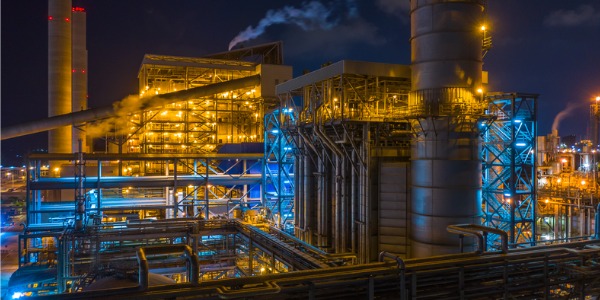
Duties and Responsibilities
Power engineers work in many industries that deal with generating, transmitting, and distributing electricity. Their exact duties can vary, but common responsibilities include:
- Power Generation Planning and Operation: Planning and managing power plants to ensure electricity is reliable and efficient. Overseeing equipment like turbines and generators to keep them running smoothly.
- Transmission and Distribution: Designing, maintaining, and improving the systems that carry electricity to homes and businesses. Monitoring the grid to prevent outages and keep electricity flowing safely.
- System Control and Automation: Using control systems to manage electricity flow, regulate voltage, and respond to changing demand. Adding automation to make the system more efficient and reliable.
- Maintenance and Troubleshooting: Performing regular maintenance to prevent equipment problems. Fixing issues with power equipment or outages when they occur.
- Renewable Energy Integration: Connecting solar, wind, and other renewable sources to the grid. Optimizing systems that combine traditional and renewable energy.
- Compliance with Regulations: Making sure all work meets safety, environmental, and government standards. Adapting to new rules as they change.
- Energy Efficiency and Conservation: Finding ways to use energy more efficiently and reduce waste. Recommending technologies that save energy and support sustainability.
- Emergency Response and Planning: Preparing plans for power outages, natural disasters, or other emergencies. Coordinating with response teams to restore electricity quickly.
- Data Analysis and Reporting: Analyzing system performance, energy use, and equipment efficiency. Creating reports to guide improvements and support decision-making.
Types of Power Engineers
Power engineers encompass a diverse range of professionals involved in various aspects of electrical power generation, transmission, distribution, and related activities. Here are several types of power engineers, each specializing in specific areas within the power industry:
- Electrical Engineer: Focuses on the design, development, and maintenance of electrical systems, including power generation, transmission, and distribution networks.
- Geothermal Engineer: Specializes in the development and utilization of geothermal energy resources for power generation or direct heating applications.
- Automation Engineer: Designs and implements automation solutions for power plants and distribution systems, enhancing efficiency and reducing manual intervention.
- Smart Grid Engineer: Works on the implementation and optimization of smart grid technologies, incorporating advanced communication and control systems for efficient energy management.
- Power Electronics Engineer: Focuses on the design and application of electronic devices and circuits, such as inverters, converters, and rectifiers, to efficiently control and convert electrical power for systems like renewable energy, electric vehicles, and smart grids.
- Power Systems Engineer: Specializes in the analysis, design, and optimization of power systems, ensuring efficient and reliable electricity generation, transmission, and distribution.
- Control Systems Engineer: Designs and implements control systems for power generation and distribution processes, including the automation of equipment and monitoring systems.
- Power Plant Engineer: Works in power plants and is responsible for the operation, maintenance, and optimization of equipment such as turbines, generators, and boilers.
- Transmission Engineer: Focuses on the planning, design, and maintenance of electrical transmission systems to ensure efficient and reliable electricity transfer.
- Distribution Engineer: Works on the design and maintenance of electrical distribution systems that deliver electricity from the transmission grid to end-users.
- Reliability Engineer: Analyzes and improves the reliability and performance of power systems, identifying and addressing potential failure points.
- Energy Storage Engineer: Specializes in the design and implementation of energy storage systems, including batteries and other technologies to store and release electrical energy as needed.
What is the workplace of a Power Engineer like?
Power engineers often work in power plants, where they oversee the generation of electricity. In these environments, they monitor equipment like turbines, generators, and control systems to ensure everything runs smoothly. Safety and efficiency are crucial, so engineers follow strict procedures and use specialized tools and software to track performance and prevent problems.
Many power engineers also work for utility companies or engineering firms, focusing on the transmission and distribution of electricity. This work can take place in offices, where they design systems, analyze data, and plan upgrades to the electrical grid. It can also involve visiting substations, transmission lines, or other field sites to inspect equipment, solve issues, and make sure electricity reaches homes, businesses, and factories reliably.
Some power engineers specialize in renewable energy projects or smart grid technologies. These workplaces can include laboratories, testing facilities, or construction sites for solar farms, wind turbines, and energy storage systems. Engineers collaborate with other professionals, implement new technologies, and continually improve the efficiency and sustainability of the electrical system. Overall, their workplace combines hands-on technical work, office planning, and teamwork, depending on their area of expertise.
Frequently Asked Questions
Engineering-Related Careers and Degrees
Careers
Agriculture & Environmental
- Agricultural Engineer
- Coastal Engineer
- Environmental Engineer
- Geothermal Engineer
- Hydrogen Engineer
- Nuclear Engineer
- Renewable Energy Engineer
- Solar EngineerEngineer
- Water Engineer
- Water Resources Engineer
- Wind Energy Engineer
Architecture & Construction
- Architectural Engineer
- Civil Engineer
- Civil Engineering Technician
- Construction Engineer
- Geotechnical Engineer
- Structural Engineer
- Urban Planning Engineer
Audio, Video & Media
- Audio Engineer
- Broadcast Engineer
- Digital Design Engineer
- Digital Remastering Engineer
- Game Audio Engineer
- Live Sound Engineer
- Mastering Engineer
- Mixing Engineer
- Recording Engineer
Automotive & Electric Vehicles
Aerospace & Aviation
Biomedical & Biochemical
Chemical & Materials
- Chemical Engineer
- Fuel Cell Engineer
- Fuel Cell Technician
- Mining and Geological Engineer
- Nanotechnology Engineer
- Nanosystems Engineer
- Paper Science Engineer
- Petroleum Engineer
- Plastics Engineer
- Pulp and Paper Engineer
Computer, AI & Data
- Artificial Intelligence Engineer
- Big Data Engineer
- Cloud Engineer
- Computer Engineer
- Computer Hardware Engineer
- Computer Vision Engineer
- Data Engineer
- Machine Learning Engineer
- Natural Language Processing Engineer
- Security Engineer
- Software Engineer
- Software Quality Assurance Engineer
- Systems Engineer
Electrical & Electronics
- Communications Engineer
- Control Engineer
- Electrical Engineer
- Electrical Engineering Technician
- Electromechanical Engineer
- Electronics Engineer
- Power Electronics Engineer
- Power Engineer
- RF Engineer
- Signal Processing Engineer
- Smart Grid Engineer
- Telecommunications Engineer
Industrial & Mechanical
- Automation Engineer
- Industrial Engineer
- Industrial Engineering Technician
- Manufacturing Engineer
- Mechanical Engineer
- Mechanical Engineering Technician
- Mechatronics Engineer
- Product Safety Engineer
- Robotics Engineer
- Stationary Engineer
Marine & Naval
Optics & Photonics
Rail & Transportation
Miscellaneous / General
Degrees
- Engineering
- Aerospace Engineering
- Agricultural Engineering
- Architectural Engineering
- Biochemical Engineering
- Biological Systems Engineering
- Biomedical Engineering
- Chemical Engineering
- Civil Engineering
- Computer Engineering
- Computer Hardware Engineering
- Computer Software Engineering
- Construction Engineering
- Electrical Engineering
- Electromechanical Engineering
- Engineering Mechanics
- Engineering Physics
- Engineering Science
- Environmental Engineering
- Geological Engineering
- Industrial Engineering
- Manufacturing Engineering
- Materials Science and Engineering
- Mechanical Engineering
- Naval Engineering
- Nuclear Engineering
- Ocean Engineering
- Optical Engineering
- Paper Science and Engineering
- Petroleum Engineering
- Plastics Engineering
- Pulp and Paper Engineering
- Robotics Engineering
- Sound Engineering
- Structural Engineering
- Surveying Engineering
- Systems Engineering
- Telecommunications Engineering