What is an Editor?
An editor improves writing to make it clear, engaging, and easy to understand. They fix spelling, grammar, and awkward sentences while making sure the ideas come across clearly. Editors work in many fields, including books, newspapers, magazines, websites, marketing, and academic publishing. This career suits people who enjoy reading, have a strong eye for detail, and like helping others communicate their ideas effectively.
Success as an editor requires strong attention to detail, excellent language and grammar skills, patience, and the ability to communicate clearly. Organizational skills, critical thinking, and a good sense of style and tone are also important for producing polished, high-quality work.
What does an Editor do?
Duties and Responsibilities
The duties and responsibilities of an editor vary depending on the type of publication or organization they work for, but generally include:
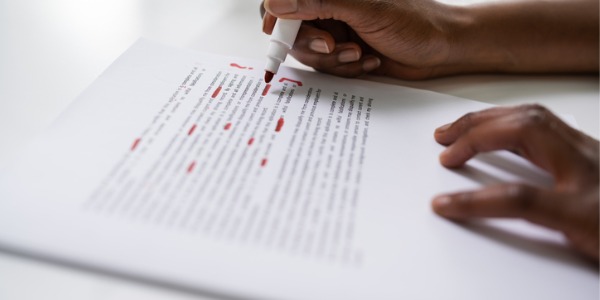
- Reviewing and Editing Content: Editors check written, visual, or multimedia content to make sure it is clear, accurate, and easy to understand. They fix grammar, spelling, punctuation, and style while giving helpful feedback to improve the material.
- Collaborating with Contributors: Editors work closely with writers, photographers, and designers to shape stories and projects from start to finish. They guide contributors, help develop ideas, and make sure deadlines are met.
- Managing Content and Deadlines: Editors often plan and organize what gets published and when. They coordinate with other teams like marketing or production to keep everything running smoothly.
- Fact-Checking and Upholding Ethics: Editors make sure all information is accurate, fair, and free from plagiarism. They double-check sources and keep content honest and trustworthy.
- Adapting to Trends and Technology: Editors stay updated on industry trends, audience interests, and new tools for publishing. This helps them create content that connects with readers and keeps up with changes in media.
- Maintaining Quality and Consistency: Editors ensure all content meets high standards and fits the publication’s style and voice. They work to make every piece polished, professional, and enjoyable to read.
Types of Editors
There are several types of editors, each with their specific role and purpose. Here are some of the most common ones:
- Content Editor: Content editors focus on whether the material communicates its message effectively. They refine ideas, improve structure, and suggest what to add, cut, or rearrange to make content stronger.
- Copy Editor: Copy editors ensure writing is correct and polished. They check grammar, spelling, punctuation, consistency, and sometimes basic facts to make the text clean and professional.
- Developmental Editor: Developmental editors look at the big picture of a project. They help shape ideas, structure, and overall direction to make sure the content works for its audience.
- Line Editor: Line editors improve writing at the sentence and paragraph level. They focus on flow, tone, and clarity while keeping the writer’s voice intact.
- Managing Editor: Managing editors oversee the workflow and production of content. They coordinate schedules, contributors, and deadlines to make sure everything gets done on time and meets quality standards.
- Technical Editor: Technical editors handle specialized content like manuals, guides, or scientific material. They ensure information is accurate, clear, and easy to understand, often working closely with experts.
What is the workplace of an Editor like?
The workplace of an editor can vary a lot depending on the type of publishing or media they work in. Some editors work in offices at newspapers, magazines, or publishing houses, where they collaborate with writers, designers, and other editors. Others work remotely from home or coworking spaces, especially in digital media, marketing, or freelance roles.
Editors spend a lot of their time reading, reviewing, and revising content, so a quiet and organized space can help them focus. They also attend meetings, brainstorm ideas, and coordinate with teams to plan content schedules and projects. Deadlines are often a big part of the job, so editors need to stay organized and manage their time well.
The environment can be fast-paced, especially in news or online media, but it’s also creative and collaborative. Editors often get to work on a variety of content, from articles and books to marketing materials and websites. The role combines attention to detail, teamwork, and problem-solving to ensure every piece of content meets high standards.
Frequently Asked Questions
Writing and Journalism-Related Careers and Degrees
Writing Careers
- Academic Writer
- Author
- Blogger
- Children's Author
- Content Marketing Strategist
- Content Strategist
- Content Writer
- Copywriter
- Educational Content Creator
- Fiction Writer
- Food Critic
- Ghostwriter
- Grant Writer
- Librettist
- Literary Agent
- Lyricist
- Music Critic
- Nonfiction Writer
- Playwright
- Poet
- Screenwriter
- Script Coordinator
- Self-Published Author
- SEO Writer
- Showrunner
- Speechwriter
- Sports Writer
- Staff Writer
- Story Editor
- Technical Writer
- Television Writer
- Travel Writer
- Writer
Journalism Careers
- Business Journalist
- Business Reporter
- Correspondent
- Editor
- Entertainment Journalist
- Entertainment Reporter
- Feature Writer
- Investigative Journalist
- Investigative Reporter
- Journalist
- News Anchor
- News Reporter
- Photojournalist
- Political Journalist
- Political Reporter
- Sports Journalist
- Sports Reporter
Degrees
- Broadcast Journalism
- Children's Literature
- Creative Writing
- English
- Journalism
- Literature
- Screenwriting
- Songwriting
- Technical Writing
- Writing
Proofreader vs Editor
Proofreaders and editors have different roles, but both are important in making writing the best it can be.
Proofreaders focus on catching mistakes in grammar, punctuation, spelling, and formatting. They usually work on the final version of a document to make sure it’s clean, polished, and ready to be published. Their careful attention to detail helps prevent errors from slipping through. They make sure readers don’t get distracted by small mistakes and can focus on the content itself.
Editors have a bigger role that goes beyond just fixing mistakes. They also look at the content itself, helping make ideas clearer, improving flow, and keeping the style and tone consistent. Editors work with writers to shape the writing, suggest changes, and sometimes rewrite sections to make the text stronger and easier to understand. They help bring out the writer’s message in the best possible way so it connects with the audience.
Administrative-Related Careers and Degrees
Careers
- Administrative Assistant
- Archivist
- Bookkeeper
- Telemarketer
- Chat Support Agent
- Clinical Research Coordinator
- Community Moderator
- Concierge
- Court Reporter
- Customer Service Representative
- Data Entry Clerk
- Debt Collector
- Digital Archivist
- Distance Learning Coordinator
- Editor
- Executive Assistant
- Financial Clerk
- Maitre d'
- Judicial Law Clerk
- Legal Secretary
- Library Assistant
- Mail Superintendent
- Medical Administrative Assistant
- Medical Billing and Coding Technician
- Medical Transcriptionist
- Office Clerk
- Postal Service Clerk
- Proofreader
- Receptionist
- Recruiter
- Shipping and Receiving Clerk
- Social Media Assistant
- Stock Clerk
- Virtual Assistant
Degrees
- Accounting
- Administrative Assisting
- Business Administration
- Court Reporting
- Digital Media
- Healthcare Administration
- Human Resources Management
- Information Technology
- Legal Administration
- Library And Archives Assisting
- Marketing
- Paralegal
- Supply Chain Management
Pros and Cons of Being an Editor
Pros:
- Creative Impact: Editors help shape content and bring ideas to life, making a real difference in what readers see and understand.
- Variety of Work: Editors often work on many types of content, from articles and books to marketing materials and websites, keeping the work interesting.
- Skill Development: The role sharpens language, communication, and critical thinking skills.
- Collaboration: Editors get to work with writers, designers, and other professionals, which can be rewarding and inspiring.
- Flexibility: Many editors have opportunities for remote or freelance work, offering more control over their schedule.
Cons:
- Deadlines and Pressure: Tight schedules and last-minute changes can make the job stressful.
- Repetitive Tasks: Some editing, especially proofreading, can be detail-heavy and monotonous.
- Criticism and Responsibility: Editors often need to deliver tough feedback and are accountable for the quality of the content.
- Long Hours: Big projects or publishing deadlines can mean working extra hours.
- Limited Recognition: The work of an editor is often behind the scenes, so their contribution may not always be visible.