What is a Wind Energy Engineer?
A wind energy engineer works on systems that capture the power of the wind and turn it into electricity. The role focuses on making wind energy reliable, efficient, and practical for everyday use. By combining engineering skills with an understanding of renewable energy, this work supports cleaner ways to produce power.
This career suits someone who enjoys problem-solving, working with data, and thinking about long-term solutions. It’s a good fit for people who are curious about how things work, comfortable with both technical details and real-world environments, and motivated by the idea of contributing to sustainable energy.
What does a Wind Energy Engineer do?
Duties and Responsibilities
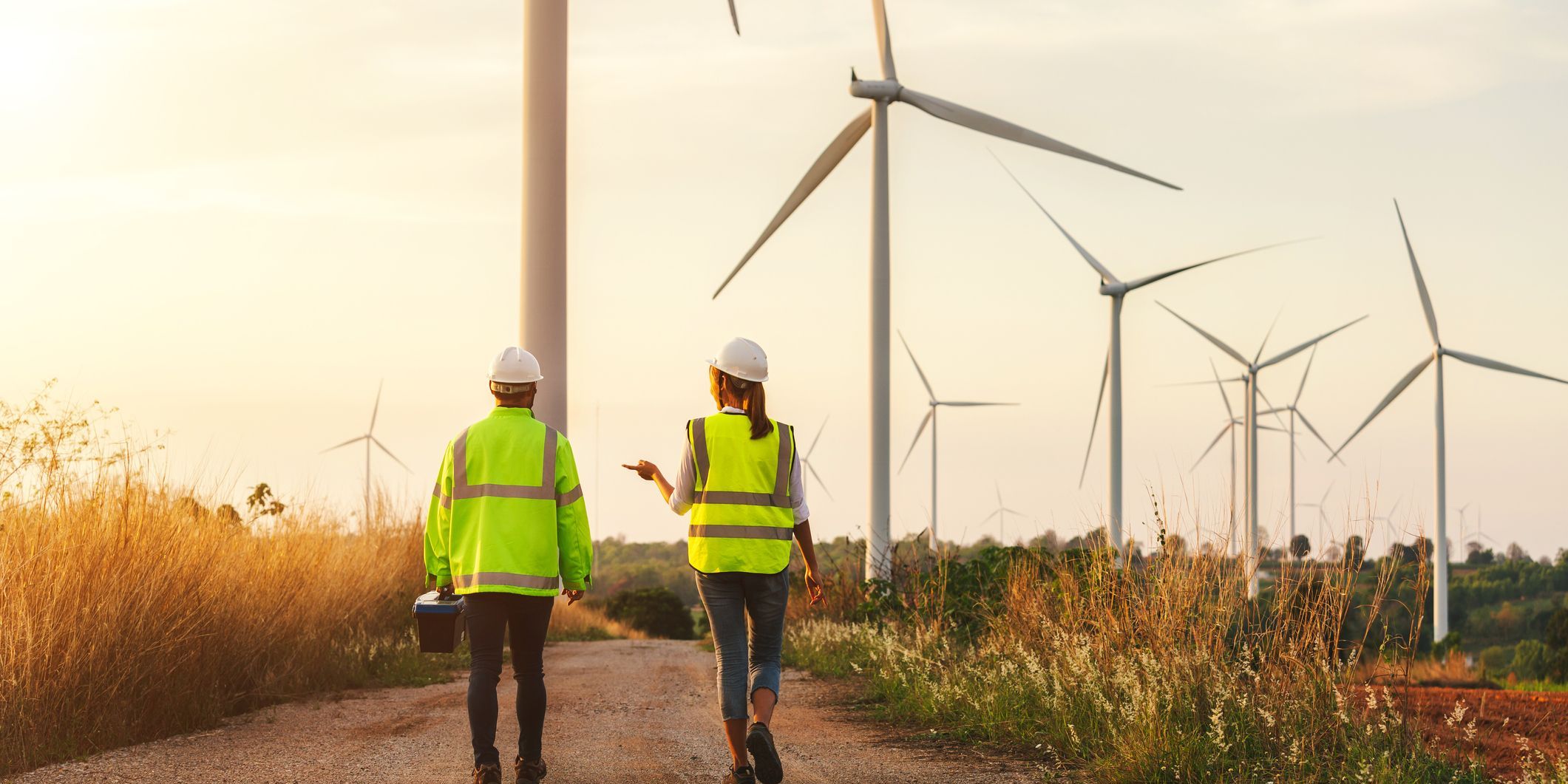
Wind energy engineers are involved in many parts of a wind energy project, from early planning to long-term operation. Some of the main areas they work in include:
- Feasibility and Site Assessment: Potential locations are reviewed to see if wind power makes sense for the area. This includes looking at wind patterns, land features, and local conditions to make sure turbines will perform well.
- Turbine Design and Optimization: Wind turbines and their parts are designed or adjusted to get the best possible performance. Designs are often customized so the equipment works efficiently in the specific environment.
- Project Planning and Development: Engineers work with different teams to plan timelines, budgets, and required approvals. Staying organized and communicating clearly helps projects move forward smoothly.
- Wind Resource Analysis: Wind data is studied to estimate how much energy a site can produce. This information helps decide where turbines should be placed for the best results.
- Environmental Impact Assessment: The possible effects on wildlife and natural habitats are carefully reviewed. Engineers help plan ways to reduce disruption and support responsible energy development.
- Grid Integration: Wind systems must connect safely to the electrical grid. Engineers coordinate with electrical specialists to ensure power flows reliably to homes and businesses.
- Technology and Performance Monitoring: Turbine performance is tracked over time to spot issues and improve efficiency. Keeping up with new technology also helps systems run better and last longer.
Types of Wind Energy Engineers
Wind energy engineering is a specialized field with a variety of career paths, each focusing on different technical, environmental, or operational aspects of wind energy projects. Here are some of the most common types of wind energy engineers:
- Wind Resource Assessment Engineer: Experts in studying wind patterns and evaluating potential energy production at specific sites. Their analyses help determine the best locations for wind farms.
- Turbine Design Engineer: Focuses on designing and optimizing wind turbines and their components. The goal is to create efficient, reliable turbines that can handle changing wind conditions.
- Wind Power Electrical Engineer: Specializes in the electrical systems of wind projects, including grid connections and power distribution. They ensure electricity flows safely and efficiently from turbines to the grid.
- Wind Turbine Structural Engineer: Works on the structural design and integrity of turbines, ensuring they withstand environmental forces. Safety and long-term durability are central to their work.
- Grid Integration Engineer: Manages how wind energy systems connect to the electrical grid. They address issues like grid stability, energy storage, and seamless integration of renewable power.
- Wind Turbine Maintenance Engineer: Focuses on ongoing maintenance, inspections, and performance monitoring of turbines. Their work keeps wind farms reliable and maximizes energy output over time.
What is the workplace of a Wind Energy Engineer like?
The workplace of a wind energy engineer can be quite varied, combining office work with hands-on field activities. Much of the design, modeling, and analysis happens in an office or lab, where engineers use computers to simulate wind patterns, test turbine designs, and plan projects. Collaboration with other engineers, environmental specialists, and project managers is common, so meetings and teamwork are a big part of the office environment.
Field visits are another key part of the job. Engineers often travel to wind farms or potential project sites to inspect turbines, study local wind conditions, or oversee installations. These visits can involve working outdoors in all kinds of weather and sometimes at heights on turbine towers, giving the role a more adventurous side compared with typical office jobs.
Workplaces also include research and testing facilities where turbines, blades, and other equipment are developed and evaluated. Engineers may spend time in labs running simulations or stress tests to improve efficiency and durability. This variety in environments keeps the work engaging and allows engineers to be involved in multiple stages of wind energy projects.
Frequently Asked Questions
Engineering-Related Careers and Degrees
Careers
Agriculture & Environmental
- Agricultural Engineer
- Coastal Engineer
- Environmental Engineer
- Geothermal Engineer
- Hydrogen Engineer
- Nuclear Engineer
- Renewable Energy Engineer
- Solar EngineerEngineer
- Water Engineer
- Water Resources Engineer
- Wind Energy Engineer
Architecture & Construction
- Architectural Engineer
- Civil Engineer
- Civil Engineering Technician
- Construction Engineer
- Geotechnical Engineer
- Structural Engineer
- Urban Planning Engineer
Audio, Video & Media
- Audio Engineer
- Broadcast Engineer
- Digital Design Engineer
- Digital Remastering Engineer
- Game Audio Engineer
- Live Sound Engineer
- Mastering Engineer
- Mixing Engineer
- Recording Engineer
Automotive & Electric Vehicles
Aerospace & Aviation
Biomedical & Biochemical
Chemical & Materials
- Chemical Engineer
- Fuel Cell Engineer
- Fuel Cell Technician
- Mining and Geological Engineer
- Nanotechnology Engineer
- Nanosystems Engineer
- Paper Science Engineer
- Petroleum Engineer
- Plastics Engineer
- Pulp and Paper Engineer
Computer, AI & Data
- Artificial Intelligence Engineer
- Big Data Engineer
- Cloud Engineer
- Computer Engineer
- Computer Hardware Engineer
- Computer Vision Engineer
- Data Engineer
- Machine Learning Engineer
- Natural Language Processing Engineer
- Security Engineer
- Software Engineer
- Software Quality Assurance Engineer
- Systems Engineer
Electrical & Electronics
- Communications Engineer
- Control Engineer
- Electrical Engineer
- Electrical Engineering Technician
- Electromechanical Engineer
- Electronics Engineer
- Power Electronics Engineer
- Power Engineer
- RF Engineer
- Signal Processing Engineer
- Smart Grid Engineer
- Telecommunications Engineer
Industrial & Mechanical
- Automation Engineer
- Industrial Engineer
- Industrial Engineering Technician
- Manufacturing Engineer
- Mechanical Engineer
- Mechanical Engineering Technician
- Mechatronics Engineer
- Product Safety Engineer
- Robotics Engineer
- Stationary Engineer
Marine & Naval
Optics & Photonics
Rail & Transportation
Miscellaneous / General
Degrees
- Engineering
- Aerospace Engineering
- Agricultural Engineering
- Architectural Engineering
- Biochemical Engineering
- Biological Systems Engineering
- Biomedical Engineering
- Chemical Engineering
- Civil Engineering
- Computer Engineering
- Computer Hardware Engineering
- Computer Software Engineering
- Construction Engineering
- Electrical Engineering
- Electromechanical Engineering
- Engineering Mechanics
- Engineering Physics
- Engineering Science
- Environmental Engineering
- Geological Engineering
- Industrial Engineering
- Manufacturing Engineering
- Materials Science and Engineering
- Mechanical Engineering
- Naval Engineering
- Nuclear Engineering
- Ocean Engineering
- Optical Engineering
- Paper Science and Engineering
- Petroleum Engineering
- Plastics Engineering
- Pulp and Paper Engineering
- Robotics Engineering
- Sound Engineering
- Structural Engineering
- Surveying Engineering
- Systems Engineering
- Telecommunications Engineering