What is a Band Director?
A band director leads a group of musicians through rehearsals and performances, helping everyone play together as a unified team. Using their musical training and knowledge of how instruments work together, they guide players on tone, rhythm, and expression, making concerts and shows both polished and enjoyable. Beyond preparing music, band directors help musicians grow, build teamwork, and gain confidence over time. For example, a high school band director might prepare the marching band for a football game halftime show, while a community jazz band director could lead weekend rehearsals for a public concert.
Band directors can work in schools, colleges, universities, community groups, and religious or performing organizations, leading concert, marching, or jazz bands. To succeed, they need skills in conducting, music theory, and at least one instrument, along with clear communication, leadership, organization, and patience to support students or community musicians in reaching their full potential.
What does a Band Director do?
Duties and Responsibilities
A band director’s responsibilities center on guiding student or community musicians. Teaching, leadership, and administrative work are all part of the job.
- Teaching and Rehearsing: Teaching and rehearsing involves working with players of all skill levels on technique, tone, balance, and musical expression. Directors plan structured rehearsals, often using sheet music, metronomes, and sometimes recording devices or apps to help students hear how passages should sound.
- Conducting and Music Direction: Conducting and music direction means leading the band during rehearsals and performances, using clear physical cues and verbal feedback. Directors rely on their baton, score study, and sometimes digital music stands or projectors to keep the group following the right tempo and style.
- Lesson Planning and Curriculum: Lesson planning and curriculum focuses on designing short term and long term plans for what the band will learn each week or term. These plans must align with school or district standards and any state or institutional requirements, and they often live in digital planners or learning management systems.
- Recruiting and Student Support: Recruiting and student support includes helping students choose instruments, encouraging new members to join the band, and offering guidance outside of class. Band directors may host information sessions, run recruitment events, and keep track of student instruments, fees, and participation records using spreadsheets or school provided software.
- Event Planning and Logistics: Event planning and logistics covers organizing concerts, festivals, parades, competitions, and travel for the band. Directors manage schedules, deadlines for registration forms and payments, transportation, uniforms, and equipment, often using calendars, email, and school specific admin tools.
- Equipment and Budget Management: Equipment and budget management involves tracking instruments, repair needs, music purchases, and any allocated funds for the program. Directors may use inventory lists, purchasing software, and school or district financial systems to stay within budget and meet safety and maintenance standards.
- Parent and Community Communication: Parent and community communication means keeping families and local organizations informed about concerts, expectations, and band activities. This is usually done through email, school apps, newsletters, or social media pages, and must follow any school or district communication policies and privacy rules.
- Professional Development: Professional development includes attending workshops, conferences, and in service training to stay current in music education and teaching methods. Many band directors belong to professional associations or state education groups that offer certification updates and guidance on best practices.
Types of Band Directors
Band directors can specialize in different settings and styles of music, which creates a few clear sub specialties within the field.
- Concert Band Director: A concert band director leads traditional school or community concert bands that perform on stage in formal settings. This role emphasizes technical precision, intonation, and expressive playing in wind and percussion repertoire.
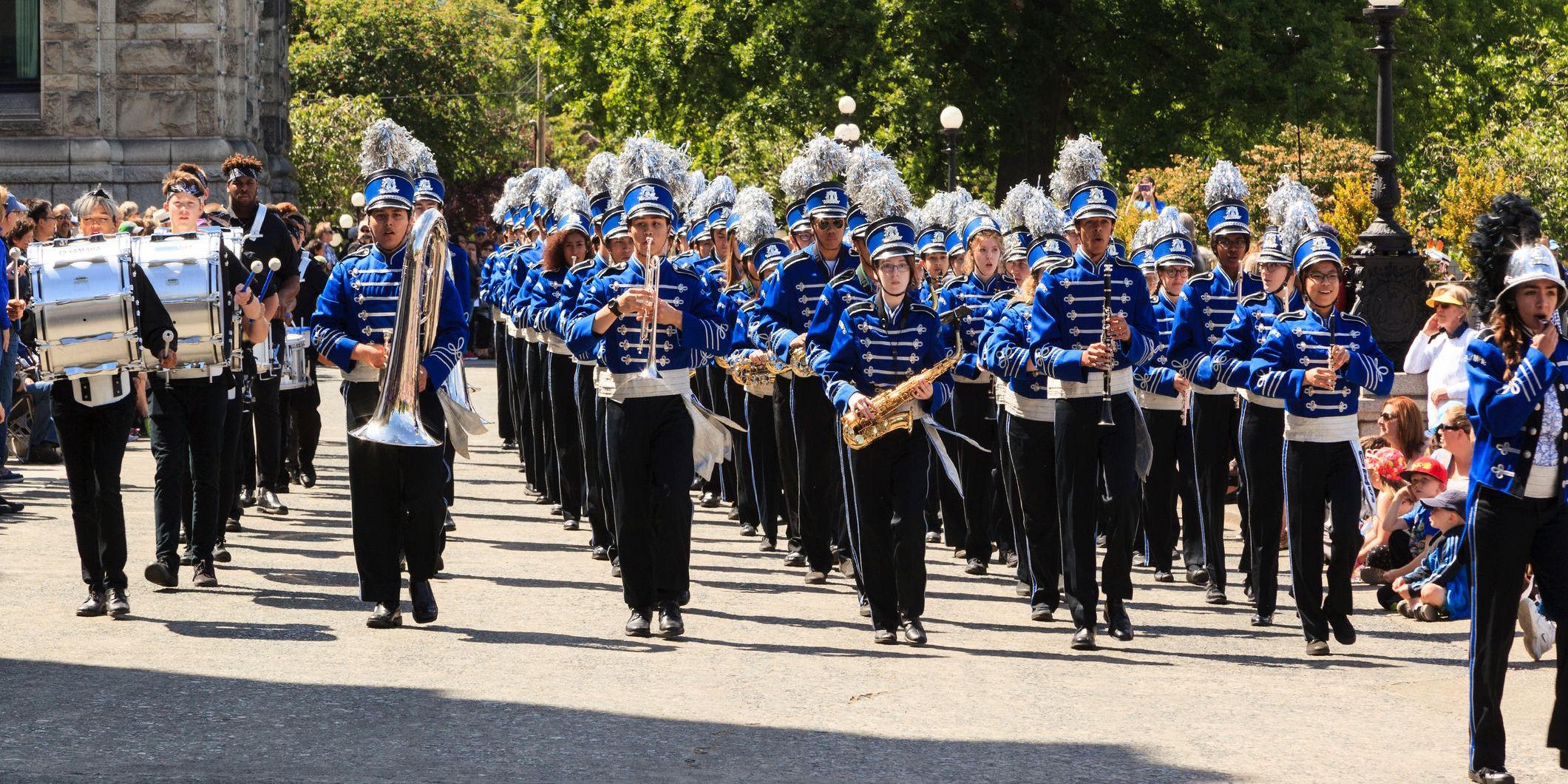
- Marching Band Director: A marching band director plans and runs marching bands that perform on football fields, in parades, and at competitions. This director balances music with marching drill, often using specialized software to design visual formations and timing.
- Jazz Band Director: A jazz band director leads small to mid size groups that focus on big band and combo jazz styles. The role places special emphasis on improvisation, rhythm, and stylistic authenticity in jazz performance.
- Middle School Band Director: A middle school band director works with younger students who are still learning fundamentals and basic ensemble skills. This role often focuses on instrument selection, classroom management, and building long term music reading habits.
- High School Band Director: A high school band director oversees a full band program that may include concert, marching, and jazz ensembles. The director juggles multiple groups, competitions, and advanced repertoire while supporting students’ academic and college career paths.
- University Band Director: A university band director leads college level ensembles and may also teach music education courses. This role often involves working with skilled student musicians, managing large scale productions, and mentoring future band teachers.
Band directors have distinct personalities. Think you might match up? Take the free career test to find out if band director is one of your top career matches. Take the free test now Learn more about the career test
What is the workplace of a Band Director like?
A band director commonly works in a school or community setting where the main workspace is a music classroom or band room. This space is filled with chairs, stands, music folders, and instruments, including brass, woodwinds, percussion, and sometimes electronics such as keyboards or sound systems. Directors often have a small side office or desk area nearby where grades, lesson plans, and administrative paperwork are kept up to date.
In many cases, band directors work on-site during school hours and do not have full remote or flexible schedules like some office jobs. However, they may use email, school based learning platforms, video conference tools, and shared calendars to communicate with students, parents, and staff when they are not in the rehearsal room. These tools help directors share rehearsal notes, send reminders about concerts, and keep track of assignments and deadlines without needing to be face to face all the time.
Day to day, a band director moves between teaching classes, holding small group lessons, running rehearsals, and attending meetings with other teachers or administrators. The work atmosphere is usually busy but collaborative, with lots of interaction among students, colleagues, and sometimes parent volunteers, all working toward concerts, games, and performances that bring the school or community together.
Frequently Asked Questions
Music-Related Careers and Degrees
Careers
- A&R Administrator
- A&R Coordinator
- A&R Representative
- Ballet Conductor
- Band Director
- Booking Agent
- Cabaret Performer
- Chamber Music Conductor
- Choir Director
- Choral Conductor
- Composer
- Conductor
- Digital Remastering Engineer
- Ethnomusicologist
- Instrumental Music Teacher
- Jingle Writer
- Librettist
- Live Sound Engineer
- Lyricist
- Music Arranger
- Music Artist
- Music Business Manager
- Music Contractor
- Music Copyist
- Music Critic
- Music Editor
- Music Executive
- Music Historian
- Music Librarian
- Music Manager
- Music Producer
- Music Professor
- Music Promoter
- Music Publicist
- Music Publisher
- Music Supervisor
- Music Teacher
- Music Theory Instructor
- Music Therapist
- Music Studio Owner
- Musical Theater Conductor
- Musician
- Opera Conductor
- Orchestral Conductor
- Orchestrator
- Performer
- Piano Accompanist
- Piano Tuner
- Private Music Instructor
- Recording Engineer
- Road Manager
- Session Musician
- Singer
- Songwriter
Degrees
Band Directors are also known as:
Bandmaster
Director of Bands